
Amelia Schafer
ICT
Hollywood underdog and blockbuster “Sinners” is sweeping the awards season and setting new records with its historic 16 Oscar nominations.
Aside from outdoing the competition, Ryan Coogler’s film featured historically accurate depictions of life in the 1930s Mississippi delta with input from the Indigenous people who have called the area home since time immemorial.
“They wanted Choctaws to play Choctaws,” said Jay Wesley, Mississippi Band of Choctaw, director for the Department of Chahta Immi and cultural consultant for the movie.
“Sinners,” a vampire horror-thriller movie released in April 2025, set out to portray the Mississippi Band of Choctaw community as authentically as possible, Wesley said. The movie features rarely seen but historically accurate representations of people living in the delta, from Chinese merchants to sharecroppers and Choctaw people.
In the early 1900s, Mississippi was, as it’s always been, home to Indigenous people. This fact is represented and even centered in “Sinners.”
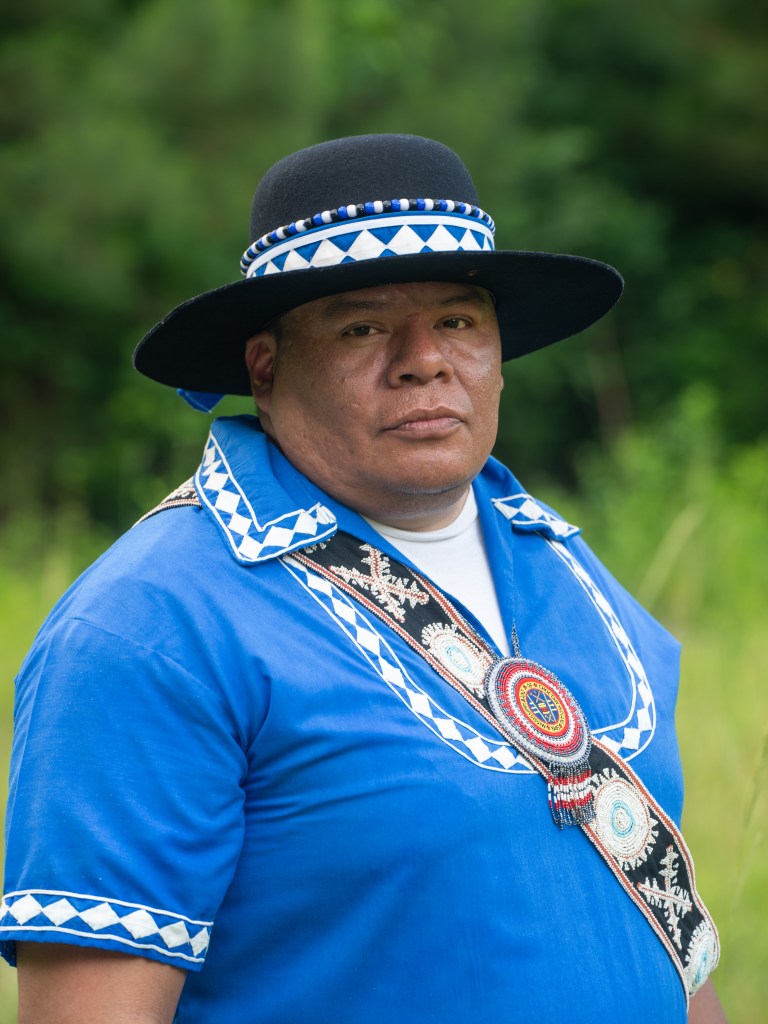
“This is where our people lived and thrived for many generations,” said Eric Willis, a Mississippi Band of Choctaw member who appeared as an extra in the film. “We’ve been here for quite a while so it was great to see somebody would want to include our people in the production like this. Mr. Coogler, Ryan, he did his research.”
In early January, “Sinners” made history as it was nominated for a record-breaking 16 Oscars, two of which are for costuming and casting.
Proximity Media Service, Coogler’s multimedia company, reached out to Wesley in early 2024 through the Chahta Immi Cultural Center, asking for a language consultant, cultural consultant and assistance with auditions for the movie.
Wesley took the role of cultural consultant and tried to help with casting in the local community, but with the movie’s secret title being “Grilled Cheese” he struggled to get locals interested. Instead, he reached out to other tribal members and folks around the community center.
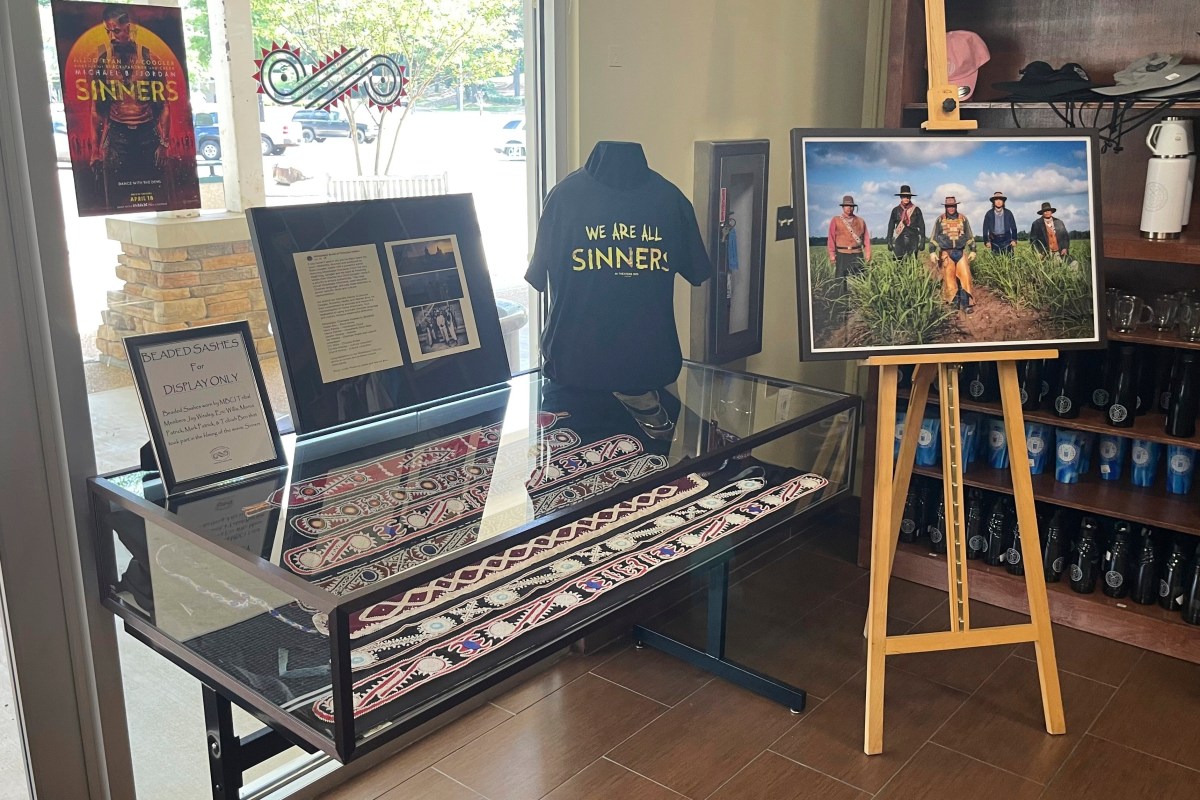
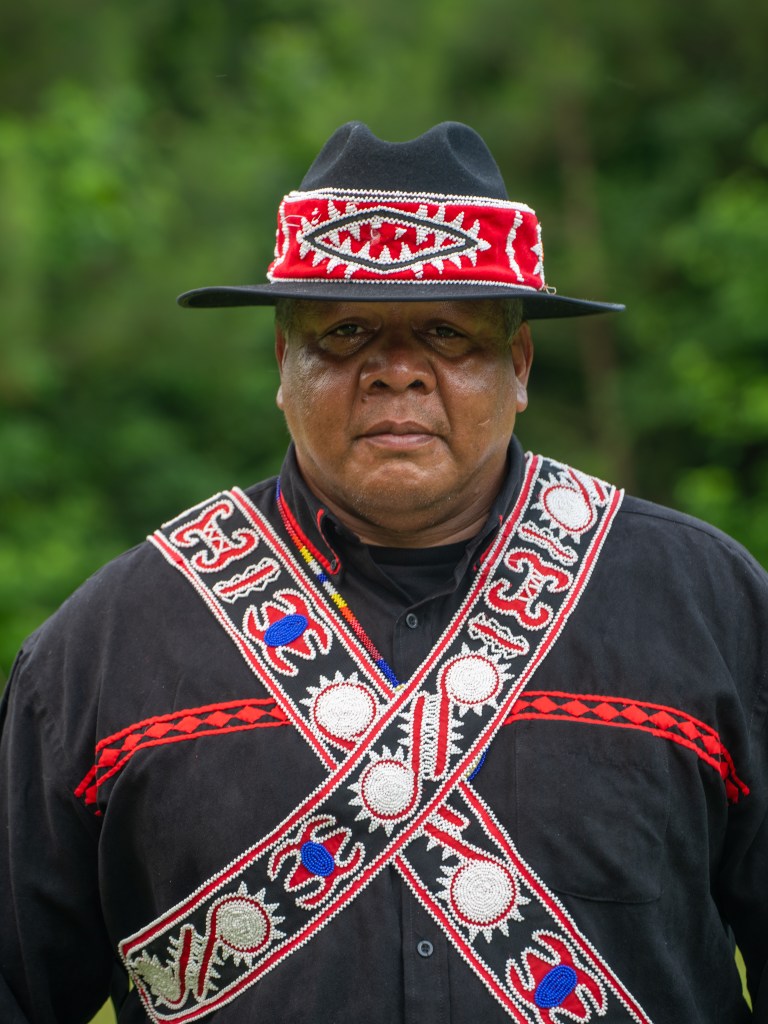
Beadwork worn by Choctaw vampire hunters, dubbed the “Choctaw posse,” in the movie also came directly from the cultural center. The beaded pieces were made in 1930 and had been housed in the museum for some time. Tribal members brought the beadwork with them to shoots and cared for it along the way.
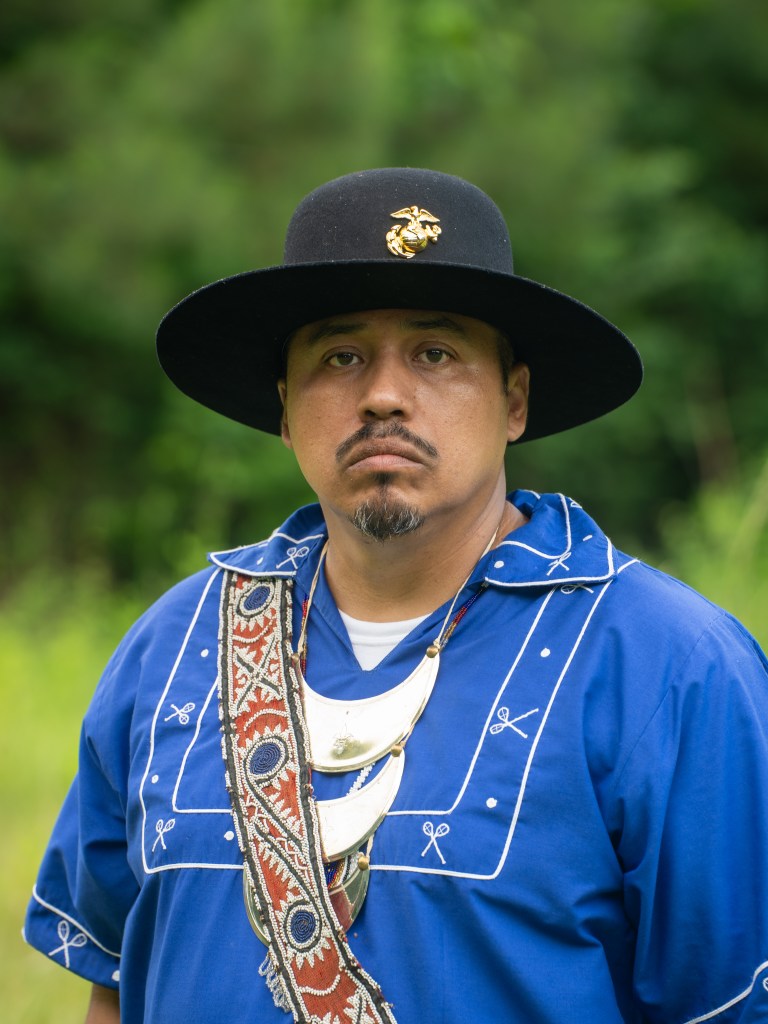
Wesley said he and others from the cultural center spent a great deal of time studying what their ancestors wore in the 1930s.
“At the time people were going out in a three piece suit, so the authentic look of Choctaw’s involved adding our implements to the dress of that time period,” he said. “The sashes, the gorgets, those were about distinguishing prestige and hierarchy and place in the community.”
The Mississippi Band of Choctaw is one of three federally recognized Choctaw tribes in the United States, Wesley explained. All three, the Choctaw Nation of Oklahoma and Jena Band of Choctaw in Louisiana and Mississippi band have lived in the southeastern United States since time immemorial. However, despite historic Choctaw presence and continued presence today, not a lot of non-Native people realize Choctaws still live on their homelands today and did in the 1930s.
“We do education as much as we can here as well as taking opportunities like being a part of this movie ‘Sinners’ and other media projects,” Wesley said. “These [projects] help show we are still here and we are still thriving.”
The movie also features Choctaw language and music, which Wesley’s own daughter, Jaeden Wesley, was able to help out with. The very beginning of the movie features an animated sequence depicting the power of song in Irish, West African and Choctaw culture.
Jaeden said this scene was added in post-production, as a way to respect the three cultures represented in the film. Jay Wesley said he was tasked with finding someone to sing a war song, and his daughter just happened to live in Los Angeles not far from Warner Brothers studio.
“I’ve been in [Los Angeles] for almost four years now and I haven’t had an opportunity like this,” she said. “But [one] came from home all the way in Mississippi.”
Jaeden, an economics student at the University of California in Los Angeles, grew up singing traditional Choctaw chants with her father. Participants in these songs are called chanters, she said. Her chanting is featured at the very beginning of the movie as a narrator explains the spiritual power, both good and bad, of song across the three groups.
Tribal members were also able to provide their input while filming in Napoleonville, Louisiana, three and a half hours from their reservation.
On set, the five Choctaw extras worked alongside Indigenous actor Nathanial Arcand, who is Plains Cree from the Alexander First Nation Reserve. Arcand plays the Choctaw man who approaches the couples door at the beginning of the movie, warning them that a vampire was seen in the area.
“I was starstruck,” Willis said.
On set, Coogler asked the men for input on how the scene should go. Willis said Coogler asked them what their people would’ve done at the time, how would they have reacted? From their conversations, a war cry was added into the scene, done by one of the tribal member extras riding on horseback.
“I said, ‘We’re on the hunt, shouldn’t we do a war cry?’” Willis said. “I told Ryan [Coogler], this is what Choctaws do.
Once the final product was out, community members reacted with praise, the participants said.
At the supermarket, Willis said one community member greeted him by saying, “Here’s the superstar!”
“It was great to hear our younger generation say, ‘I watched the movie and I heard Choctaw on screen,’” he said.
Getting to see Choctaws on screen, hear the language, and hear a war cry was all incredibly powerful, Jay Wesley said. Something he was incredibly thankful for Coogler for.
“Some directors would be like, no, it’s my way or the highway, but he was open,” Jay said. “We were all proud to see our culture being portrayed the right way.”
