
ICT is working to shape the future of journalism and stay connected with readers like you. A crucial part of that effort is understanding our audience. Share your perspective in a brief survey for a chance to win prizes.
Tim Trudell
Special for ICT
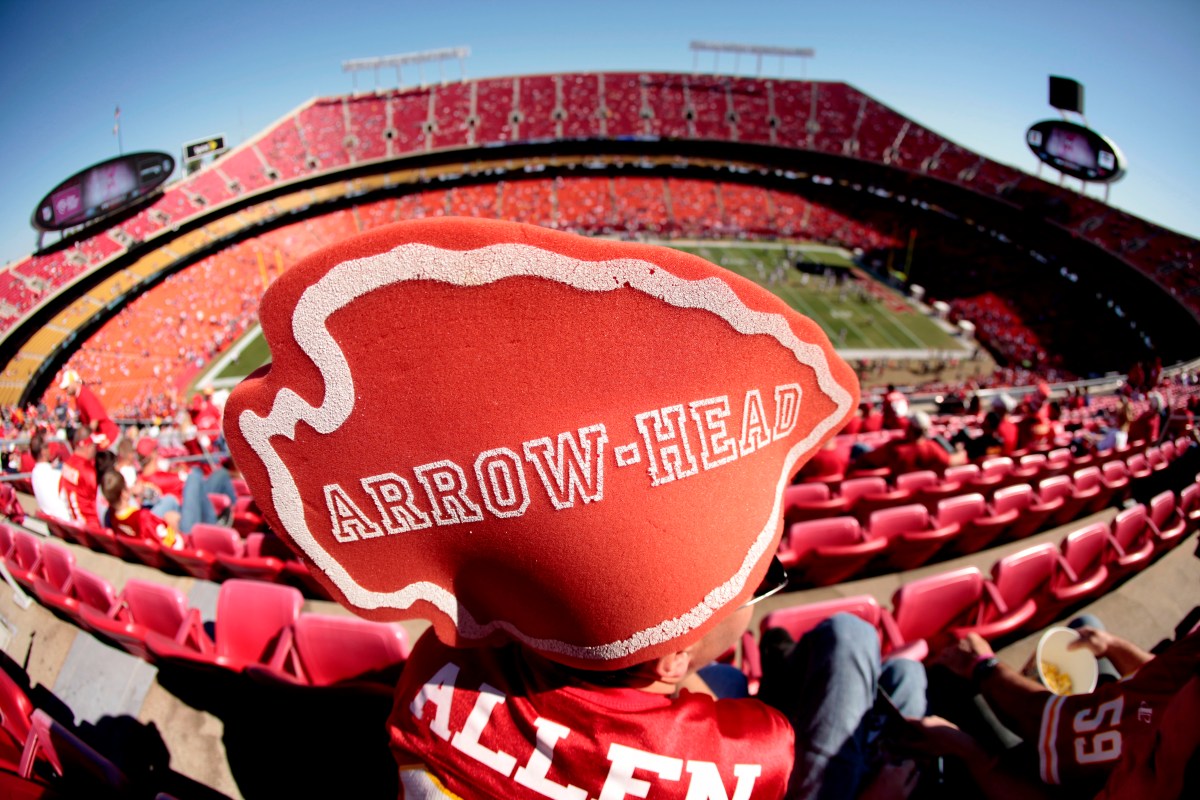
As Kansas City football team fans celebrate a second consecutive National Football League championship, many will gather wearing fake headdresses, faces adorned with “war paint” and arms moving in rhythm doing the tomahawk chop. This is their impression of Native Americans.
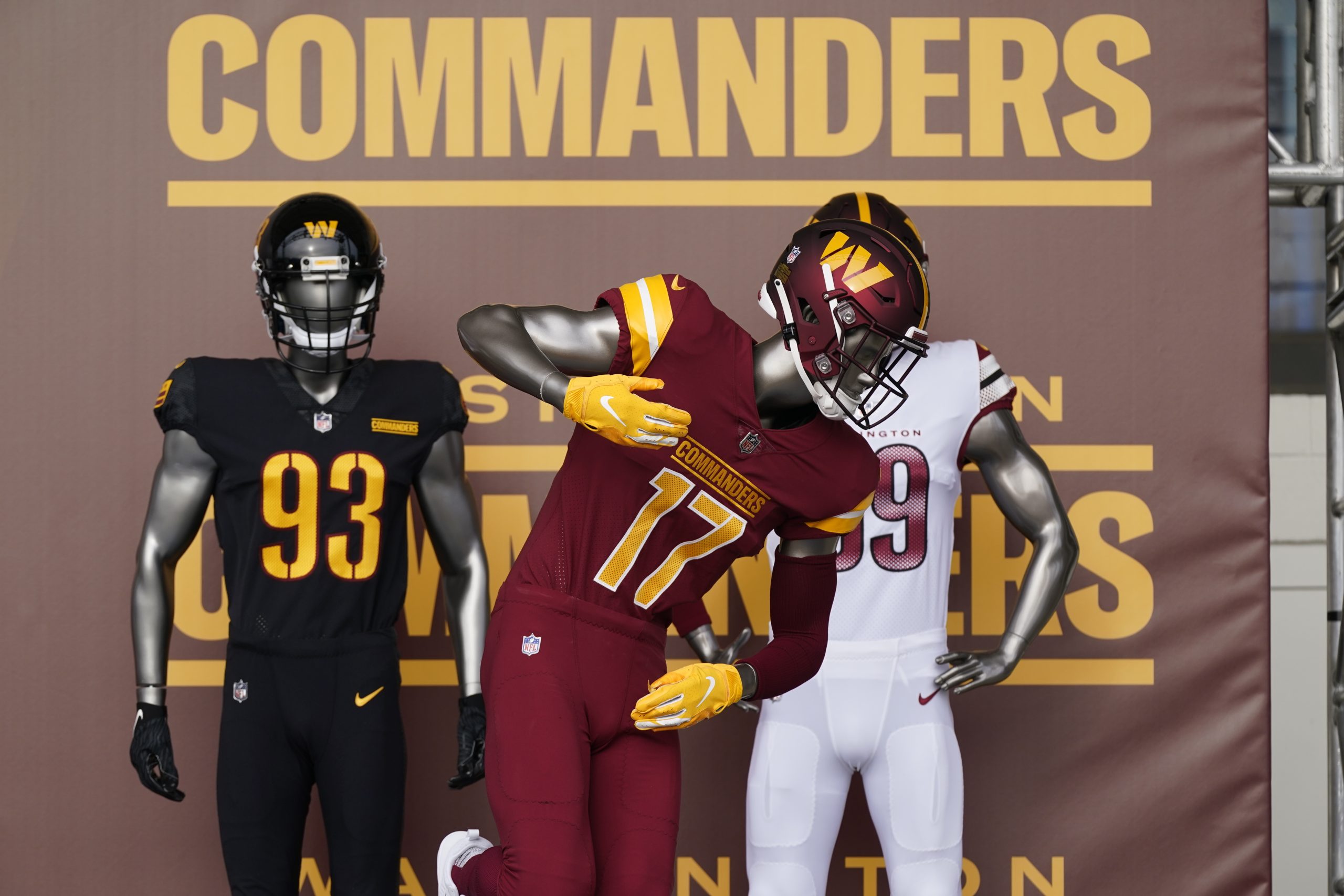
While some college and professional sports teams like the NFL’s Washington Commanders and Major League Baseball’s Cleveland Guardians have dropped their former Native nicknames and imagery, considered by some to be racist and offensive, teams like Kansas City boldly hang onto theirs.
And that’s OK with organizations such as the Native American Guardians Association and Save Our Native Souls. Both groups seek to “educate, not eradicate” Native American sports nicknames and imagery.
Guardians – based at the Spirit Lake Dakota reservation in North Dakota – is best known for supporting the former nickname of the Washington Commanders. With an online petition demanding the name change be reversed, about 138,000 people have signed the document created by fan Daniel Fazzolare.
The Guardians Association also filed a lawsuit against the Commanders in September 2023, claiming team officials defamed the organization and that it has a “monopoly on the narrative” because they have declined to meet with the group’s leaders to discuss the team’s name.
Eunice Davidson, co-founder of the association, created an online petition to have the Cleveland baseball team reverse its name change. More than 12,000 fans have signed it.
Neither Davidson nor any of the other 14 Guardians Association board members replied to numerous ICT requests for comment.
Several association members’ Facebook accounts feature Native American imagery, stories supporting nicknames and imagery mocking politicians, including President Joe Biden.
Founded in 2017, the Guardians Association has claimed the majority of Native Americans support Indigenous nicknames and imagery. The organization believes it can remove the negative stigma attached to them through education. With about 29,000 followers in its private Facebook group – open to Natives and non-Natives – local members have sought to reverse nickname changes with high schools and colleges.
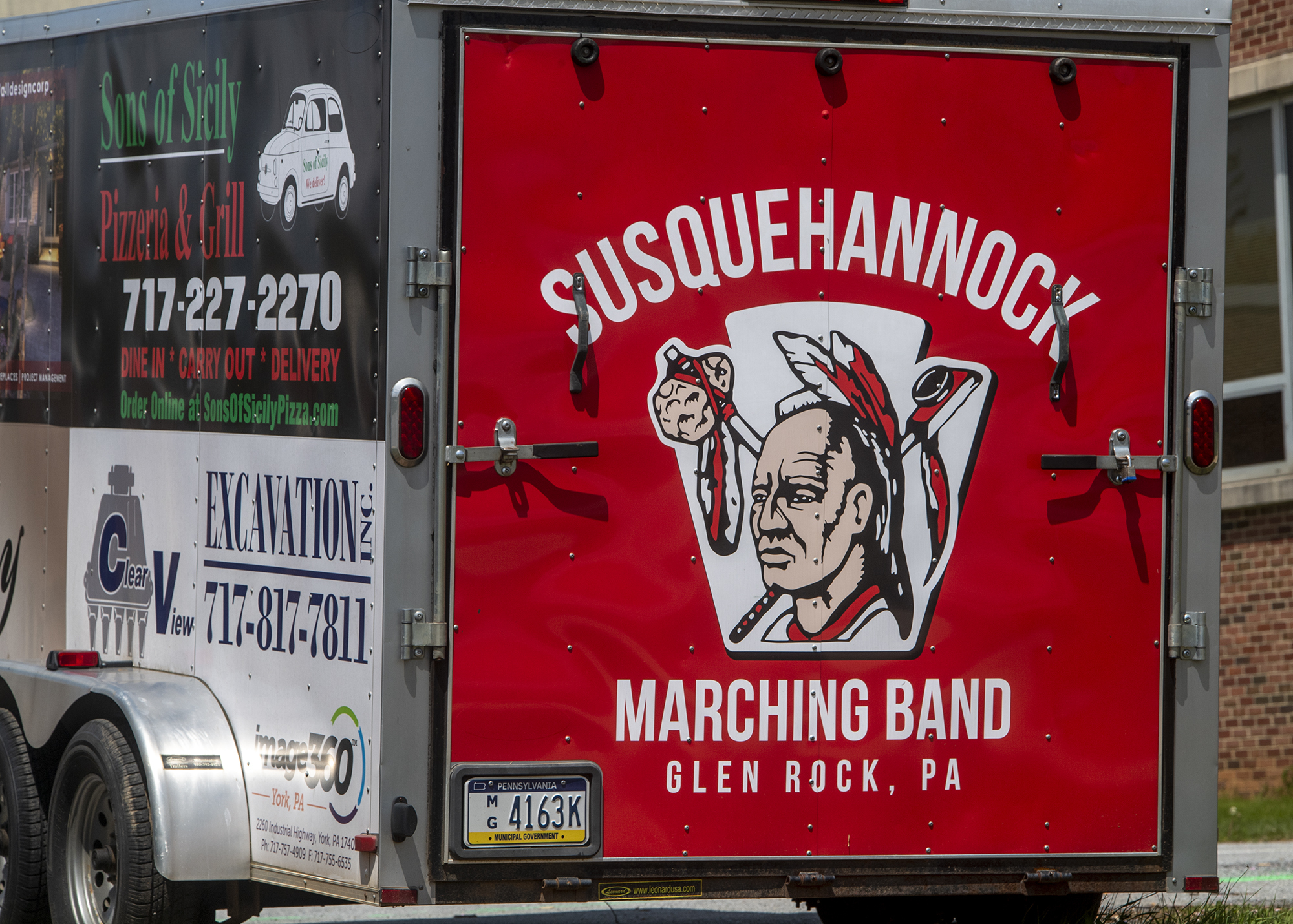
The Southern York County (Pennsylvania) school board voted 7-2 in January to revert to the school’s former Warrior sports logo – a Native American head with a tomahawk in the background – following an hour-long presentation by Guardians Association representatives. The original image had been removed in 2021.
Davidson’s support for Native nicknames and imagery dates back to at least the early 2000s, when the National Collegiate Athletic Association listed the University of North Dakota among schools with offensive nicknames. Facing backlash from the NCAA and schools, such as the University of Minnesota, which created a policy against playing teams with Native American nicknames, North Dakota changed its nickname to the Fighting Hawks following a couple of seasons without a nickname.
Davidson was among the Spirit Lake tribal residents who supported the nickname during a special election. North Dakota could keep its nickname if both Oceti Sakowin tribes agreed. Spirit Lake held a special election, with about 65 percent of voters supporting the nickname. The Standing Rock tribal council voted against supporting the nickname, despite pressure from UND supporters.
“If Eunice is involved in a presentation, she would get the children to see it as a positive instead of a negative. She’s that good of a persuader,” said Eric Longie, Davidson’s cousin and an opponent of Native American nicknames. “She’s a really nice person, aside from this business.”
While Guardians Association representatives declined to respond to interview requests, an organization based in Lincoln, Nebraska, was willing to talk to ICT about its support of Native nicknames and imagery.
Viewing removal of Native American nicknames and imagery among sports as an attempt to remove Indigenous culture, Bill Dieckmann believes they need to be saved. That’s why he broke away from the Guardians Association to start Save Our Native Souls, along with former association co-founder Andre Billeaudeaux.
“I’m trying to get their name restored and their history restored, reconnect them to their tribal roots,” Dieckmann said of his efforts to change the names of both the Cleveland and Washington professional franchises. “I’m fighting to educate Americans on what the (Washington team’s former name) means, who the person is behind the logo.”
The former Washington football logo, featuring a Native American face profile, was supposedly based on a Blackfeet leader, Chief Two Guns White Calf. The image was among several suggested to the franchise in the early 1970s, before the new logo replaced an R on the side of the helmet during the 1972 season. The name was changed in 2020 during a summer of racial demonstrations following the murder of George Floyd by Minneapolis police officer Derek Chauvin. Nationwide demonstrations took place that summer, with businesses and sports teams announcing name changes and product redesigns.
Dieckmann believes the mainstream press has misled the public, citing a 2016 Washington Post poll that showed 90 percent of Native Americans supported Indigenous nicknames and imagery.
“Several different studies support that,” he said. “I love talking about one of them by the Washington Post, which was very anti-(the Washington team’s former name) and bought into everything Native is racist and must be erased. They did a study and didn’t like the results because it showed 90 percent approval across the nation. So they redid the study with word association, names and images. Even that one came back showing the name as strength, pride, warriors.”
While Dieckmann claims the Post’s survey represented Native Americans’ views around the United States, a study by Dr. Stephanie Fryberg of the University of Michigan, published by the American Psychology Association, examined the poll, which was a non-scientific survey. Fryberg’s research examined the questions using a scientific approach, which indicated Native American nicknames and imagery have a negative impact on the psyche and self-esteem of Indigenous youth.
While Dieckmann’s Save Our Native Souls is in its infancy, most people look to the Guardians Association for support of Native nicknames, which doesn’t help Native people, according to the Native American Rights Fund.
“I think that that organization is entitled to its opinion,” said Matthew Campbell, the fund’s deputy director. “I think a lot of what is missing in the broader discussion about this issue is really the harm that comes from the use of these types of images and logos, the harm to our Native youth and our non-Native youth.
“I know of stories across Indian Country about students that have led to bullying and being called names from students in schools where there are these types of imagery or mascots. So that’s typically what’s missing in the broader discussion.”
An avid Washington fan since he was a child, Dieckmann, a Kiowa citizen, proudly wears clothing with the team’s old logo. He sees nothing wrong with non-Natives wearing headdresses and painting their faces.
“As a superfan of a team, they want to be part of it,” he said.
Sharing the Guardian Association’s views that changing teams’ nicknames is an assault on Native American culture, Dieckmann said it’s also an attack on American patriotism.
“Going back to World War II, everybody knows it was Native Americans who saved this nation through the code talkers,” he said. “Everybody loves that. We’re the highest-rated minority in the military (based on per capita basis).”
Removing Native American nicknames doesn’t hurt Native culture, Longie said.
“They’re worried about culture? Have they been to Gathering of Nations?” he said. “How about the Denver powwow? Or Rapid City? That’s culture, tradition and history.”

Our stories are worth telling. Our stories are worth sharing. Our stories are worth your support. Contribute $5 or $10 today to help ICT carry out its critical mission. Sign up for ICT’s free newsletter.

