
Kolby KickingWoman
ICT
Fifty-one cents per dollar.
That is the average a Native woman makes for every dollar paid to a White man.
At that rate, the wage gap results in $2,400 a month and more than $28,000 a year working Native women lose.
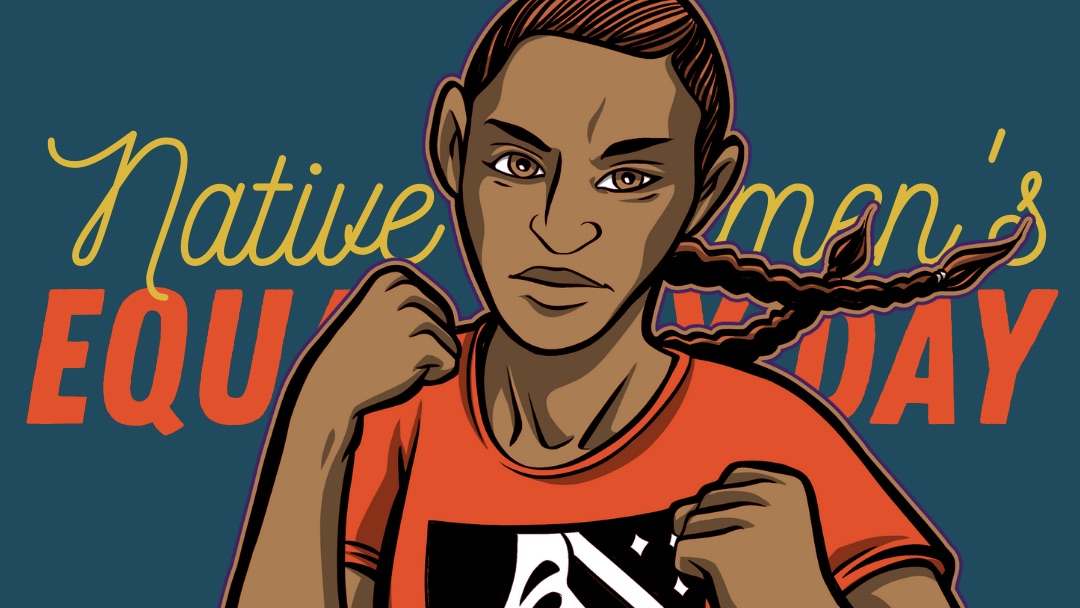
According to data from the National Women’s Law Center, a Native woman starting a career today would lose $1.1 million over the course of a 40-year-career. Nov. 30 is Native Women’s Equal Pay Day, a day taken to highlight and recognize the wage gap Native women face.
Joannie Suina, Cochiti Pueblo, said it is frustrating to know that Native women have to work twice as long to catch up with the average earnings of a White man.
“When we think about culture, ceremony, family, our kinship networks, self efficacy, and sovereignty, all of these things that we see as beautiful values within our ways of knowing in our respective communities, it’s so important that we are able to thrive in all those spaces,” Suina said. “Earning only 51 cents per dollar as compared to White men and men in general is really systemic inequity and I think also just really speaks to the way that the system has continuously held us down.”
Suina works as co-CEO of the Return to the Heart Foundation, an Indigenous led grant making organization that focuses on empowering visionary Indigenous women led initiatives.
She’s been working in what she calls the “mother hustler” realm for more than 20 years. Before becoming an executive level leader, Suina worked as a grant writer for her tribe, sold breakfast burritos, had food sales out of her house, she was the local traditional clothing seamstress, and taught her language part time.
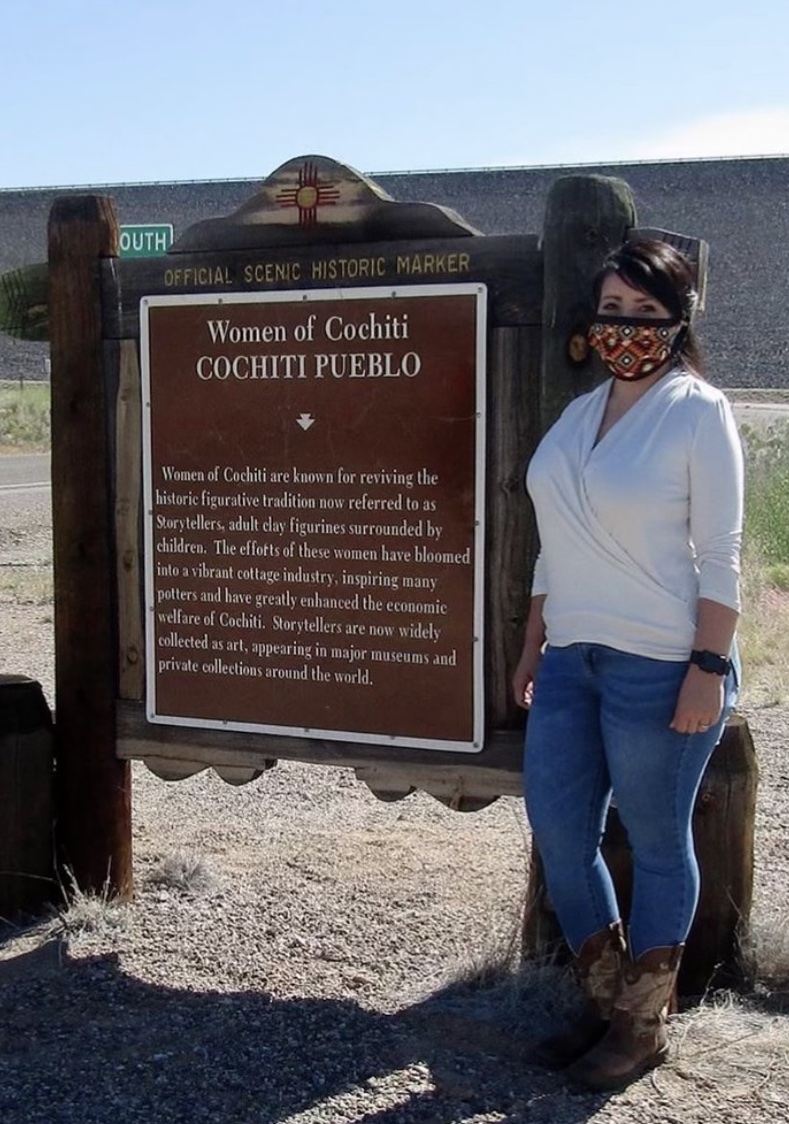
Suina said it’s important for men and allies to see all the roles Native women play and help bring attention to these inequities.
“Our men need to recognize the multiple roles and hats that we wear as the backbones of our communities. And oftentimes, we’re not only the breadwinners and bread makers, and I quote that from my sister, Jamie Goshi at Native Women Lead,” Suina said.
Other things people can do is support fair pay legislation at the local, state and federal levels. People can also call on their employers to be transparent about pay, says Noreen Farrell, executive director of Equal Rights Advocates.
“I think it’s really important to support and make sure that there isn’t retaliation against people who talk about pay in the workplace. When people feel alone, they don’t tend to come forward and being in the workplace. I can’t tell you how much has changed in certain workplaces, because someone has shared with a colleague what they make,” Farrell said. “I get these calls every single day. So having open conversations about what you make, it can be a really transformative practice within one’s own workplace.”
As far as looking at a timeline and how long it will take to substantially close the wage gap for Native women, Farrell says things are already in motion. Over the last five or six years, Farrell says there has been a major acceleration in fair pay laws passed by states.
“We would hope that we’re looking at a timeline within the next 10 years as opposed to the next 50 or 75 years, which is what the rate we’re at right now in terms of closing the gap per year,” she said “So, you know, we have a very aggressive five year plan, it will probably focus on the states, and we hope that Congress will catch up shortly thereafter.”
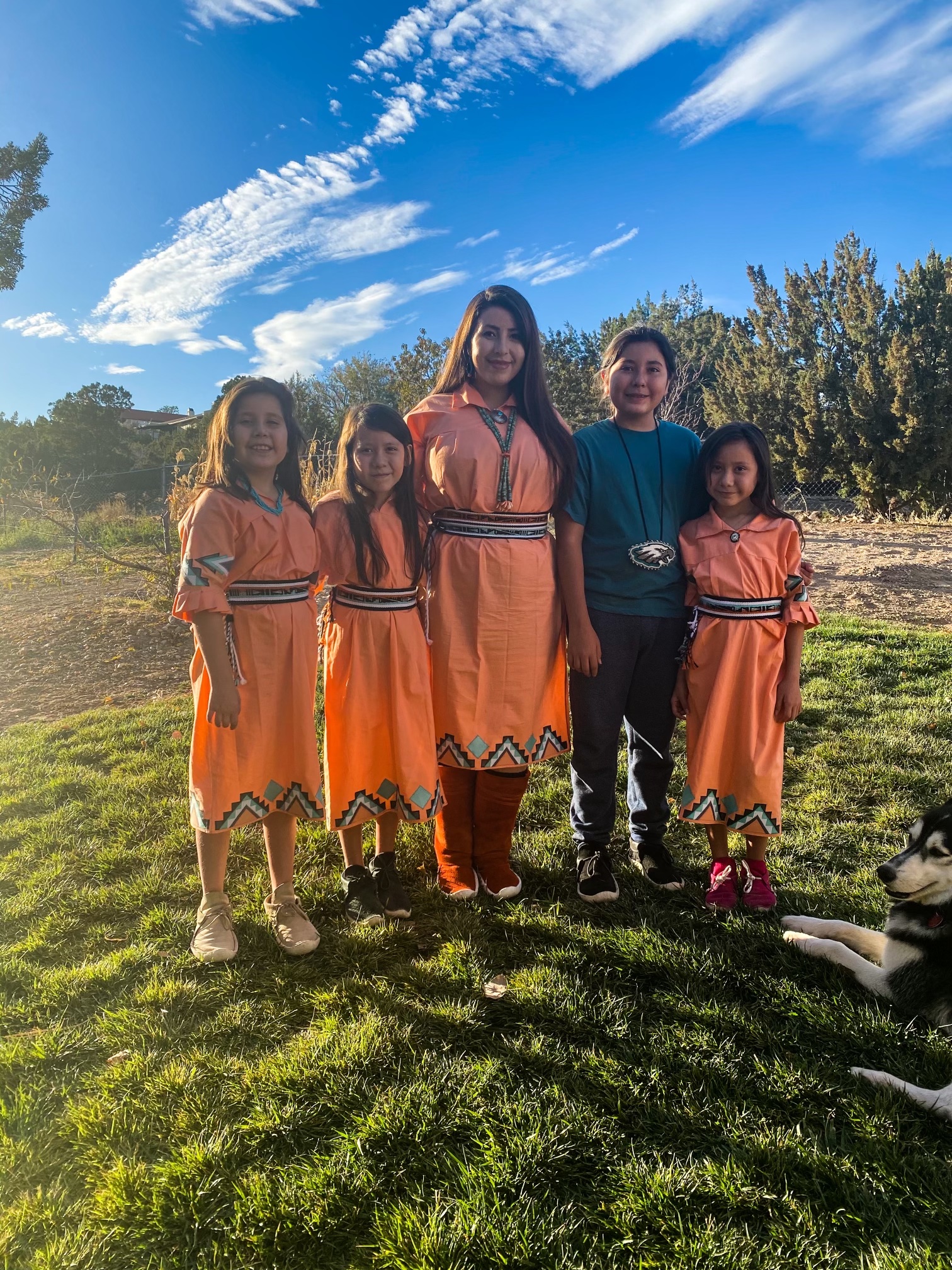
For Suina, seeing the gap closed would mean so much to her and her daughters. For those who want to help, the solution can be looked at pretty simply.
“If you believe in us, invest in us,” she says. “Invest in us because we are the key to healing our communities.”

Our stories are worth telling. Our stories are worth sharing. Our stories are worth your support. Contribute $5 or $10 today to help ICT carry out its critical mission. Sign up for ICT’s free newsletter.

