Kolby KickingWoman
ICT
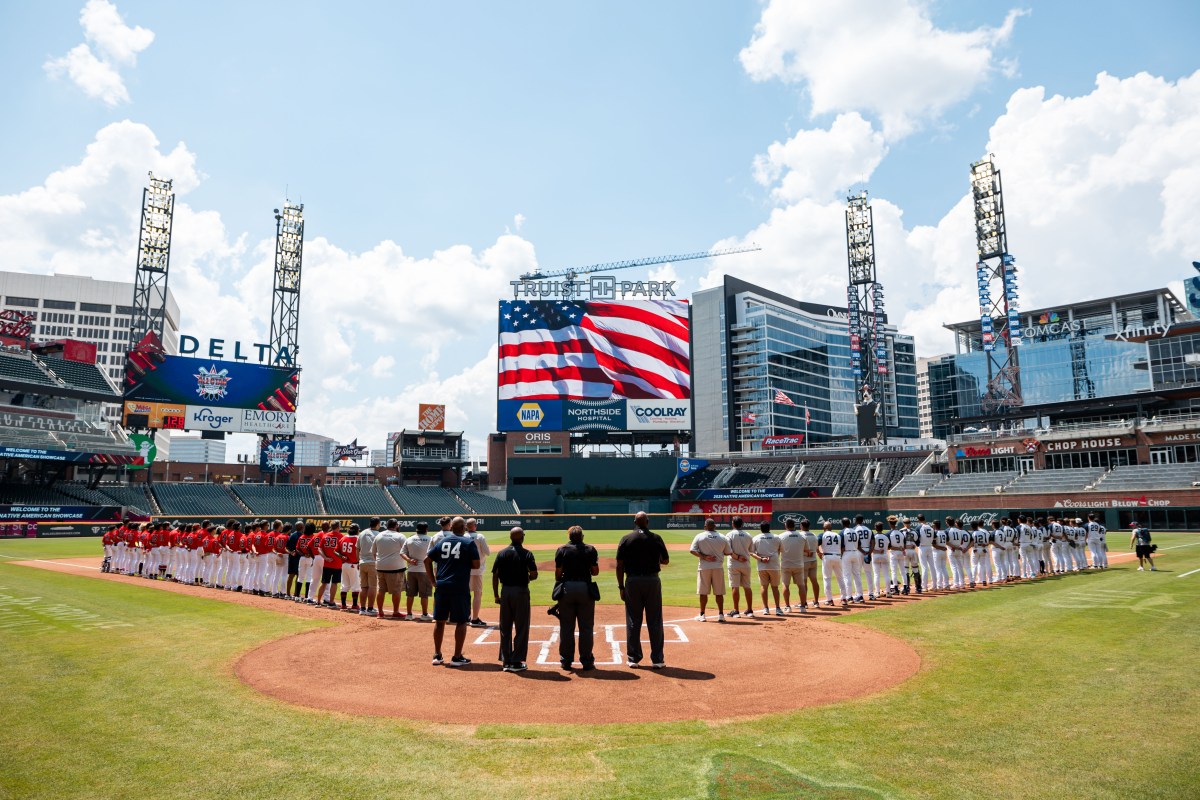
On the penultimate weekend of June, 50 Indigenous baseball players gathered in Atlanta, Georgia, for the fourth annual Native American All-Star Showcase hosted by the Atlanta Braves.
Representing 31 tribes from across the country, including one athlete from Canada, the athletes took part in a pro-style workout, heard from former professional players and coaches and ultimately played in a showcase game over the course of the two days.

In the end, Team Red beat Team Blue by the score of 9 to 1 but the weekend is about much more than that.
Greg McMichael, senior director of Alumni Relations & Growing the Game for the Atlanta Braves, told ICT the showcase not only gives the players an opportunity to be in front of coaches and scouts that may not otherwise get a chance to see them; but also shows parents there are other things they can do in the sport.
“It’s just not a, you know, either be the best athlete in the world; yes, you can go that avenue. That’s a really small path, but there’s also a broader path, which is working in the sport,” McMichael said. “So we love that about what we’re doing here and we’re just trying to, all these young men and women, we’re trying to open up their worldview to say, ‘Hey, there’s other things that you can do in sports besides just play.’”
The Atlanta Braves organization has a Native American working group that “provides guidance and leadership with a national perspective on matters of importance to the Native American community,” according to its website.
Mike Stopp, Cherokee, is one of four individuals in that group and is also the executive director for the Native American Athletic Foundation which partners with the Braves to help put on the showcase.
The showcase started with a conversation between Stopp and Derek Schiller, president and chief executive officer of the Atlanta Braves. In the years since its inception, Stopp said the Braves have really taken ownership of the event and have been great partners.
“I will tell you, of all the groups that we’ve worked with, the Braves are the absolute class act,” Stopp said. “They’re the best of the best when it comes to this. They put the money where their mouth is.”
Eddie Lucero, Navajo, was one of the youngest players selected to participate. Hailing from California and Huntington Beach High, Lucero was excited to train with other elite Native baseball players and play in front of the coaches and scouts.
“Obviously, it’s a really big deal to me and my family,” Lucero said. “Living in Huntington Beach, we don’t really get to see a lot of Natives really, so it’s good to go out and explore.”
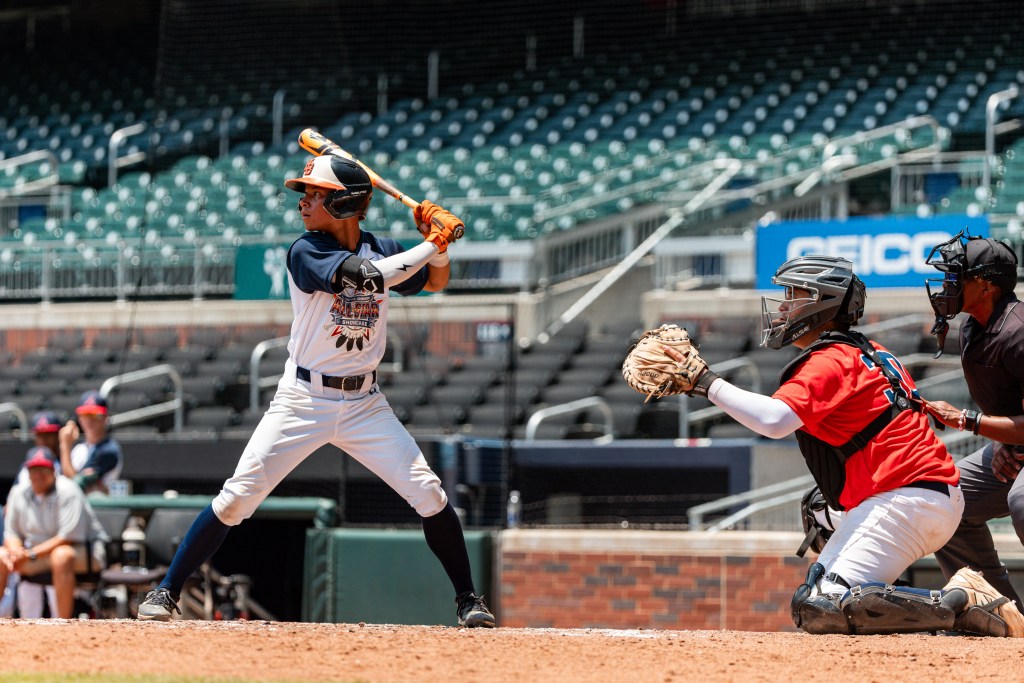
His father, Edward Lucero, shared in the excitement for his son.
“I can’t even put it into words, I’m so proud of this kid and I’m just really happy to be involved with this program. It’s so cool that the Braves are joining in with the Native American Athletic Foundation and put something like this together,” he said. “It’s gonna be really cool to see these great athletes on the field and see what they can do and hopefully a lot more people get to see what Native athletes can do.”
Lucero has been playing baseball since he was three or four years old and previously took part in a separate showcase put on by Perfect Game, an organization that promotes the game of baseball and hosts events throughout the country.
Ultimately, Lucero wants to continue playing baseball after high school.
“My goal for next year is to start center field on the varsity team and really just go to a really good D1 college in the future,” Lucero said.
Looking to the future, both McMichael and Stopp have said discussions have taken place with other Major League Baseball teams about implementing something similar and said “it’s tough being the first.”
Stopp added that tribes that have relationships with other MLB teams could help start the discussions of expanding this event to other cities.
“If your tribe is working with a baseball organization, bring this up, let them know what we’re doing out here and see if we can expand it,” Stopp said.
The blueprint in pulling it off is available and neither are looking to keep it a secret.
“I mean, we can show you exactly how to do it. It’s not rocket science,” McMichael said. “It’s just a matter of, is this important to you? And we’ve decided that as an organization, this is important to us.”