Greetings, relatives.
A lot of news out there. Thanks for stopping by Indian Country Today’s digital platform.
Each day we do our best to gather the latest news for you. Remember to scroll to the bottom to see what’s popping out to us on social media and what we’re reading.
Also, if you like our daily digest, sign up for The Weekly, our newsletter emailed to you on Thursdays. If you like what we do and want us to keep going, support and donate here.
Okay, here’s what you need to know today:
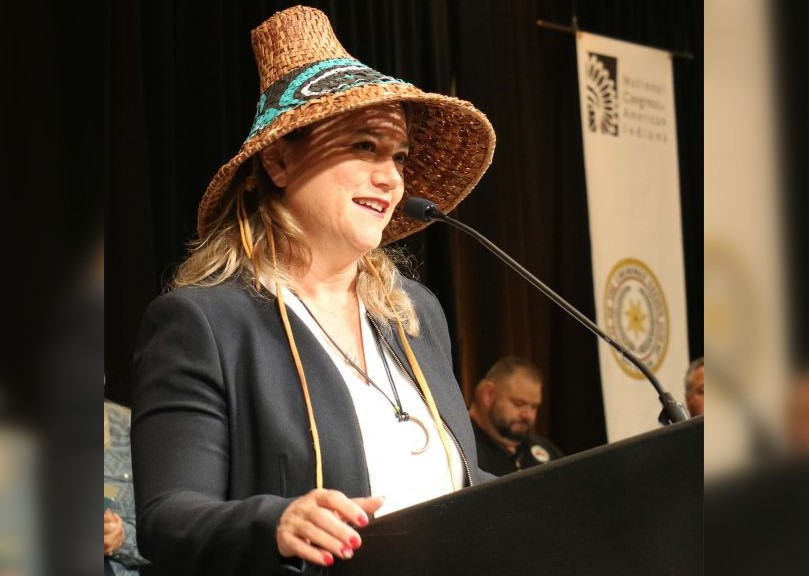
For the second consecutive year, the State of Indian Nations address given by National Congress of American Indians President Fawn Sharp, Quinault, was given virtually.
Sharp acknowledged that while much has changed in the world since giving the speech last year, tribes and Native people across the country remain resilient.
“Since the first time I stood here to deliver this address much has changed in the world around us,” Sharp said. “Yet when reality remains the 574 Tribal Nations, dozens of state recognized tribal nations and millions of Native peoples across the United States are as strong and resilient as ever.” READ MORE – Kolby KickingWoman, Indian Country Today
—
SUPPORT INDIGENOUS JOURNALISM. CONTRIBUTE TODAY.
—
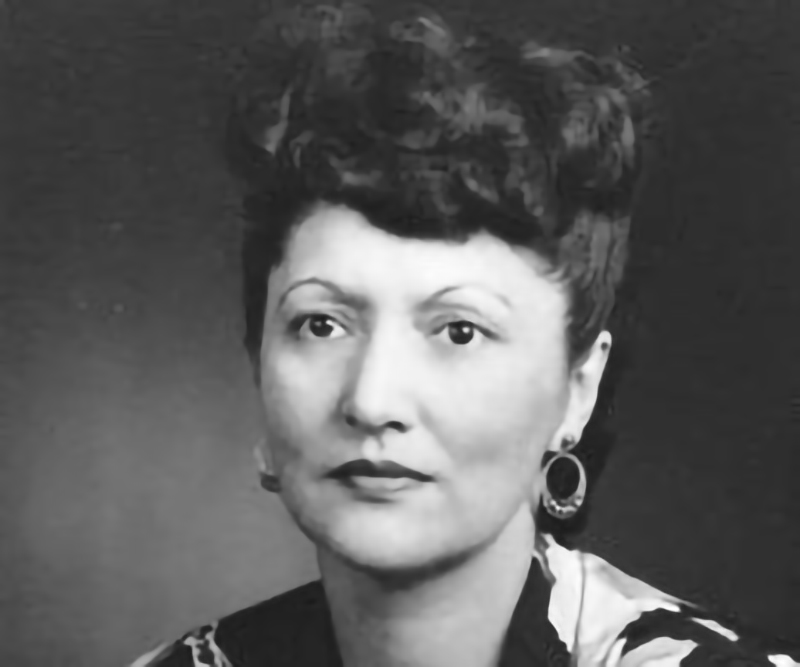
Alaskans will be honoring the contributions of civil rights champion Elizabeth Peratrovich, Tlingit, on Wednesday. Speakers from across the state in virtual celebrations will describe how her testimony in 1945 helped lead to the adoption of the nation’s first anti-discrimination law.
Feb. 16 is Elizabeth Peratrovich Day.
Peratrovich was grand president of the Alaska Native Sisterhood when the anti-discrimination bill came before the territorial senate.
Alaska state Sen. Allen Shattuck of Fairbanks said the bill would “aggravate rather than allay” racial tensions. “Who are these people, barely out of savagery, who want to associate with us whites with 5,000 years of recorded civilization behind us?” READ MORE – Joaqlin Estus, Indian Country Today
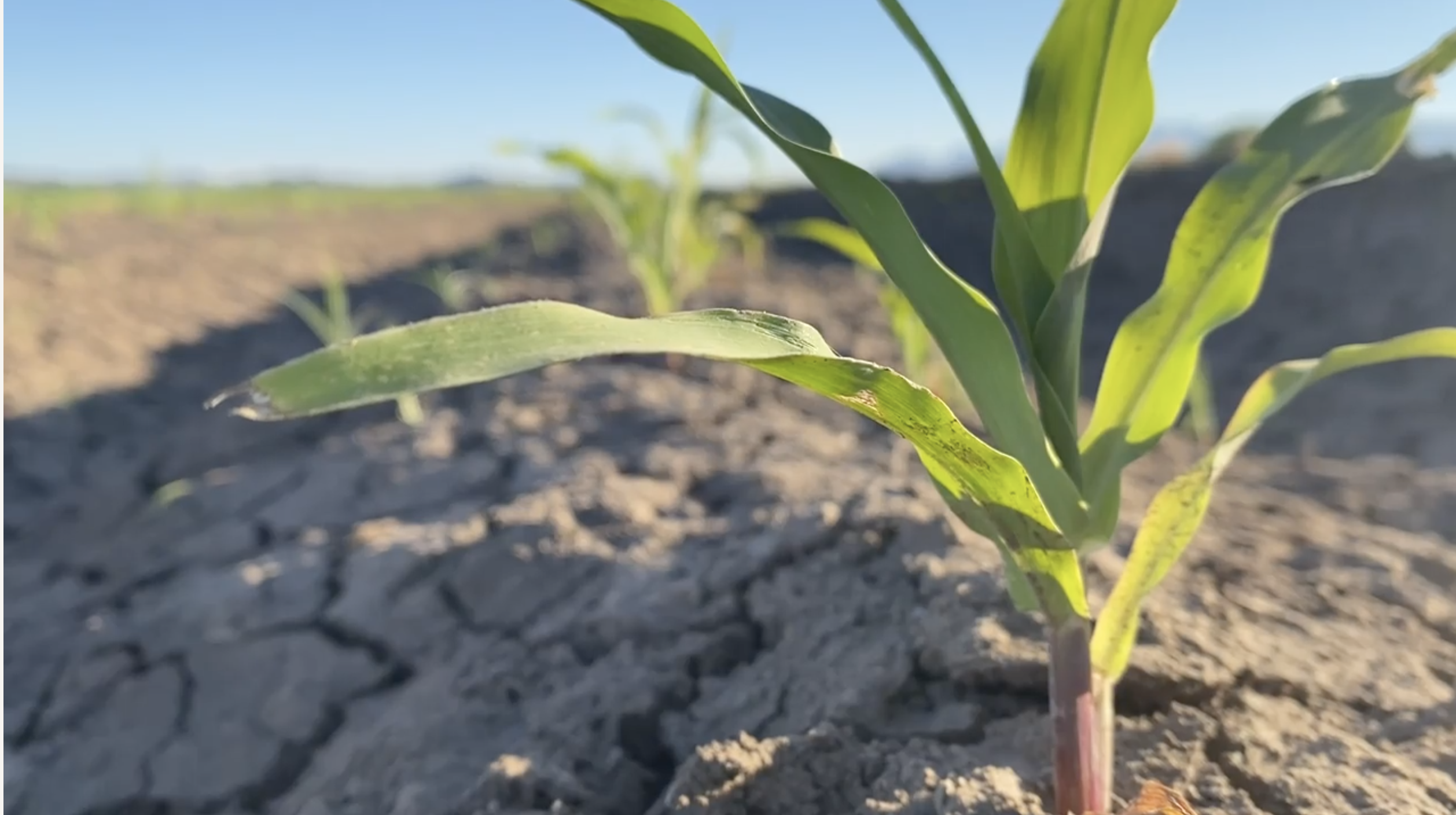
The new U.S. Department of Agriculture equity commission will include a citizen from the Confederated Tribes of the Colville Reservation. The commission is tasked with analyzing how the department’s programs, policies and practices have impacted marginalized farmers.
The 15-member external commission, and 15-member subcommittee on agriculture, will include racial and gender diversity and will investigate barriers to access and inclusion at the department. The commissions will provide recommendations to Agriculture Secretary Tom Vilsack.
“We have had a history of discriminatory practices and it’s reflected in a variety of things that we’ve already done at the department, settling of thousands of claims,” Vilsack said. READ MORE – Carina Dominguez, Indian Country Today
Around the world this week: Indigenous communities in Ecuador celebrate a momentous court ruling, Black and Indigenous inmates face hard time in Canada, the Tseshaht First Nation in Canada is searching for unmarked graves at a residential school site, and an Indigenous community in Guatemala takes a land rights fight to international court. READ MORE– Deusdedit Ruhangariyo, Special to Indian Country Today
—
Sign up here to get ICT’s newsletter
—
The Centers for Disease Control and Prevention announced Wednesday the total deaths for American Indian and Alaska Natives has topped 10,000. Epidemiologist Dean Seneca joins the ICT Newscast to help us break down COVID-19 efforts in Indian Country.
Watch:

—
FOLLOW ICT ON SOCIAL MEDIA: FACEBOOK, TWITTER, INSTAGRAM, TIKTOK.
—
- Pacific Northwest court case endangers tribal rights nationwide: This is one of the most dangerous federal cases involving tribal rights in decades, yet the vast majority of tribes are unaware.
- INDIGENOUS FILM+ ONLINE:Prepared by Indigenous Media Initiatives.
- US announces tribal lockup reforms: At least 16 inmates died in Bureau of Indian Affairs facilities from 2016 to 2020.
- Police ticketing, warning truckers to leave Canada’s capitol: There was no immediate word from police on when or if they might move in to clear the trucks by force but protest leaders braced for action on Wednesday.
- Sacred duty: Bring Sk’aliCh’elh-tenaut home: Coming up tomorrow, Lummi elder Raynell Morris will be on the ICT Newscast with an update on Sk’aliCh’elh-tenaut, a captive orca. Morris was first on the newscast in 2020 but now Sk’aliCh’elh-tenaut’s health is rapidly declining.
- Remains of two missing women found on reservation
- After 22 years Red Lake Nation Radio is now on the air
- Tribal landrape case went unsolved for 15 years. Now rapist going to prison
We want your tips, but we also want your feedback. What should we be covering that we’re not? What are we getting wrong? Please let us know. icteditors@indiancountrytoday.com.