
Greetings, relatives.
A lot of news out there. Thanks for stopping by Indian Country Today’s digital platform.
Each day we do our best to gather the latest news for you. Remember to scroll to the bottom to see what’s popping out to us on social media and what we’re reading.
Also, if you like our daily digest, sign up for The Weekly, our newsletter emailed to you on Thursdays. If you like what we do and want us to keep going, support and donate here.
Okay, here’s what you need to know today:
The 79th Golden Globes award ceremony is commencing Sunday with historic Indigenous TV and film nominations.
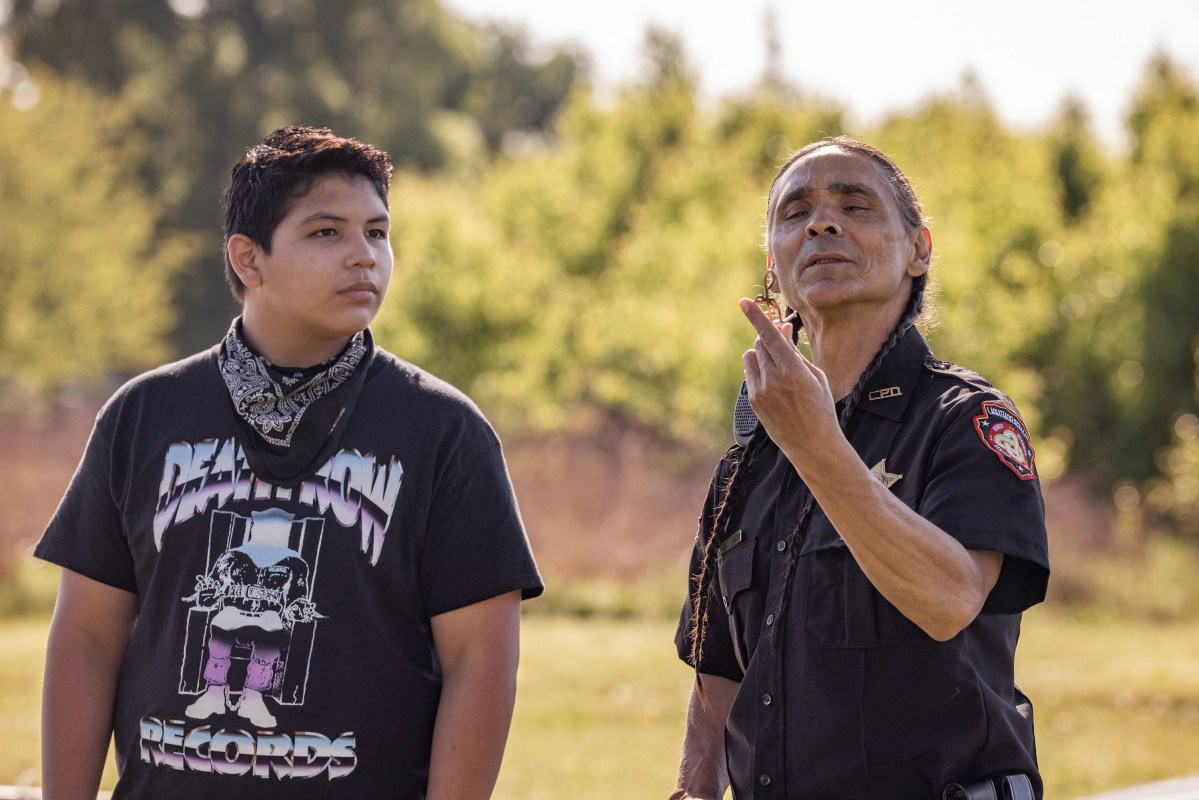
The FX and HULU series “Reservation Dogs,” co-executive produced by Sterlin Harjo and Taika Waititi, received a nomination for “Best Television Series – Musical or Comedy.”
The show has an all-Native writer’s room and covers the topics of reservation life.
The Indigenous-themed animated film “Encanto” also received nominations for “Best Motion Picture – Animated,” “Best Original Score – Motion Picture,” and “Best Original Song – Motion Picture.”
The ceremony will not be streamed live, but will be held in ‘private’.
The Golden Globes tweeted, “We will be providing real-time updates on winners on the Golden Globes website and our social media.”
—
SUPPORT INDIGENOUS JOURNALISM. CONTRIBUTE TODAY.
—
What the heck is Indigenous economics … and how will this be an ICT beat for at least the next year?
That’s just the first two of many questions that have yet to be answered. What is the state of Indigenous nations’ economies? How can we measure? Is there a way to represent that in a graphic?
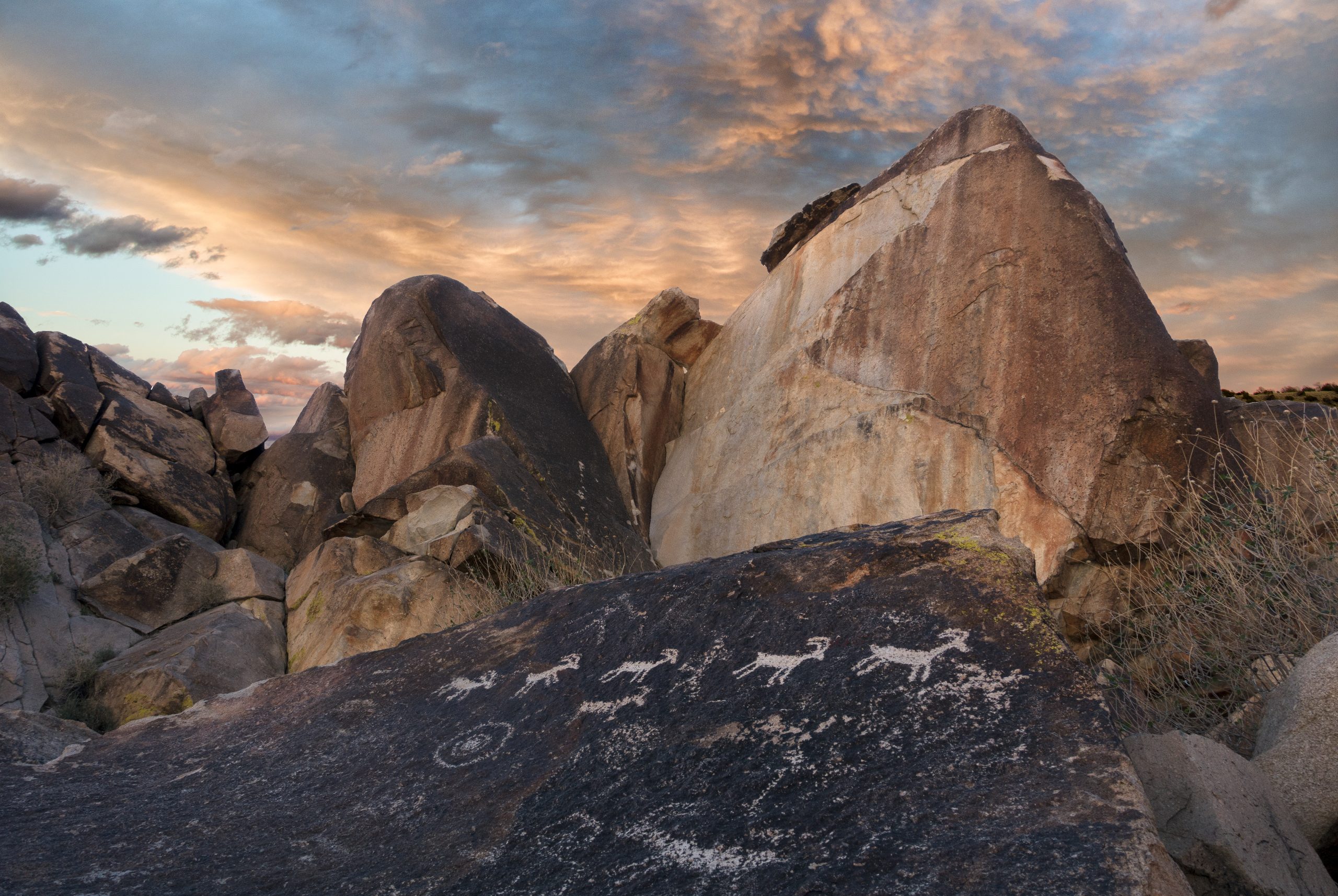
Then Indigenous people have a long history of being interested in economics. We have always measured and reported, counted what we have collected, grown or hunted. Petroglyphs, pictographs and buffalo hide drawings are all excellent examples.
Economic data is essential because it answers the basic human question, “How are we doing?”
This is where it gets complicated. Too many stories focus on two extreme themes, poverty and wealth. READ MORE. — Mark Trahant, Indian Country Today
Theresa Hatathlie will be sworn into the Arizona state Senate for Legislative District 7 on Monday. The district spans across Apache, Coconino, Gila, Graham, Mohave, Navajo and Pinal counties.
The Coconino County Board of Supervisors recommended three candidates with Hatathlie winning by five votes. She will serve the remainder of Democratic Sen.Jamescita Peshlakai’s term until January 2022 due to Peshlakai resigning in December to take a position with the Interior.
Hatathlie is from Coal Mine Mesa and is the logistics coordinator for the Navajo and Hopi Families COVID-19 Relief Fund. She previously served as the Human Resources director for the Tuba City Unified School District. She holds a bachelor of science in business administration from Northern Arizona University.
The Hawaii Supreme Court has overturned a disorderly conduct conviction of a Native Hawaiian activist who blocked a construction convoy heading for the summit of Maui’s Haleakala volcano to build a solar telescope.
The court said there wasn’t substantial evidence to support the conviction of Samuel Kaleikoa Kaeo, The Maui News reported.
In July 2015, Kaeo and other protesters linked their arms inside PVC pipes and laid down in front of the convoy. Kaeo said he didn’t physically inconvenience any member of the public because his conduct was specifically directed at preventing a select group of private individuals from leaving a baseyard.
The court said that to prove the charge of disorderly conduct, the prosecution had to show that Kaeo acted with the “intent to cause physical inconvenience or alarm by a member or members of the public.“
But the evidence presented didn’t show inconvenience to anyone other than about 20 convoy workers, said the opinion published on Dec. 29, Associate Justice Todd W. Eddins wrote the unanimous ruling.
Construction of the telescope went ahead. The Daniel K. Inouye Solar Telescope released its first images in 2020. — The Associated Press
—
Sign up here to get ICT’s newsletter
—
COVID-19 is once again on the rise. And we have more on a Native family in Colorado who lost their home to fire. Plus, a look at events in Washington and tribal sovereignty.
Watch:
Their names are printed on sheer fabric hanging from the ceiling, casting shadows on the century-old photos peering out from behind.
Juan, 8, Navajo, captured
Rita, 10, Navajo, purchased
Maria, 8, Ute, purchased
Their stories are not the typical tales of slavery told through the experiences of African-Americans, who were forcibly brought to this country for that purpose.
Instead, they are among more than 100 enslaved Indigenous people whose stories are now being examined through an art installation in southern Colorado by artist, activist and physician Chip Thomas, an African-American and Lumbee who goes by the moniker, jetsonorama.
The exhibition, “Unsilenced: Indigenous Enslavement in Southern Colorado,” is on display at the Fort Garland Museum and Cultural Center operated by the nonprofit History Colorado historical society. READ MORE. — Sandra Hale Schulman, special to Indian Country Today
—
FOLLOW ICT ON SOCIAL MEDIA: FACEBOOK, TWITTER, INSTAGRAM, TIKTOK.
—
U.S. Forest Service officials have appealed to the public for help in identifying those responsible for the recent shooting deaths of three more federally protected wild horses in eastern Arizona.
A $10,000 reward has been offered for the arrest and conviction of those responsible, the Black Mesa Ranger District of the Apache-Sitgreaves National Forests, officials said in a statement Tuesday.
The three horse killings raise the total of such deaths in the Heber area since October 2018 to over 30, azfamily.com reported.
No arrests have been made.
The Forest Service statement released Tuesday said the agency “takes this matter seriously” and asked that anybody with information to contact the Navajo County Sheriff’s Office. — The Associated Press
- Climate change: On the edge and nowhere to go: Several Alaska Native villages face imminent destruction.
- ‘America’s forgotten Indigenous rights movement’: The Alaska Native Claims Settlement Act impacts almost every aspect of Alaska Native life.
- ‘Pots of money’ out of reach for some:Alaska Federation of Natives panel talks infrastructure funding.
- Dakota, Ojibwe memorial ride draws large crowd: The return each year of the Dakota Wokiksuye Memorial Ride ensures that dozens of Dakota continue to honor their ancestors in Reconciliation Park.
- Overdue education plan frustrates New Mexico tribal leaders: Tribal leaders were expecting to be invited to comment on a draft last October, ahead of a public release of the plan by Dec. 1 that did not happen.
- American Indian College Fund launches $2.25 million Native teacher education program.
- Indigenous feminism flows through the fight for water rights on the Rio Grande.
- Hawaii’s water protectorslead a growing movement to close Navy fuel site after poisonous leak.
We want your tips, but we also want your feedback. What should we be covering that we’re not? What are we getting wrong? Please let us know. icteditors@indiancountrytoday.com.

