
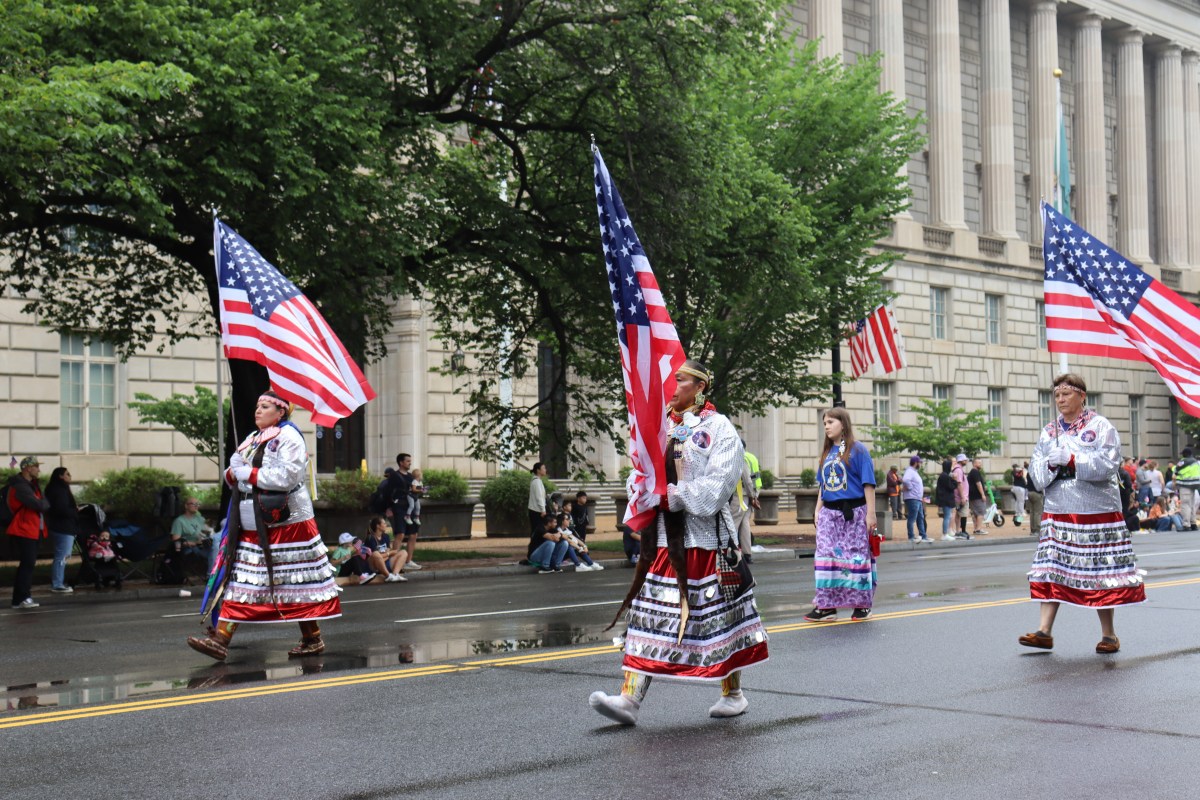
Kalle Benallie
ICT
Native Americans serve in the United States military at the highest per-capita rate of any demographic. While Native men are often associated with warriors, the Native American Women Warriors Association seeks to give recognition to the women who have served.
The association is a veterans organization that focuses on Native women veterans to educate, provide resources and for advocacy. They do community outreach through veteran programs, financial aid and scholarships.
The organization was founded in 2010, continuing to add members and making their mark.
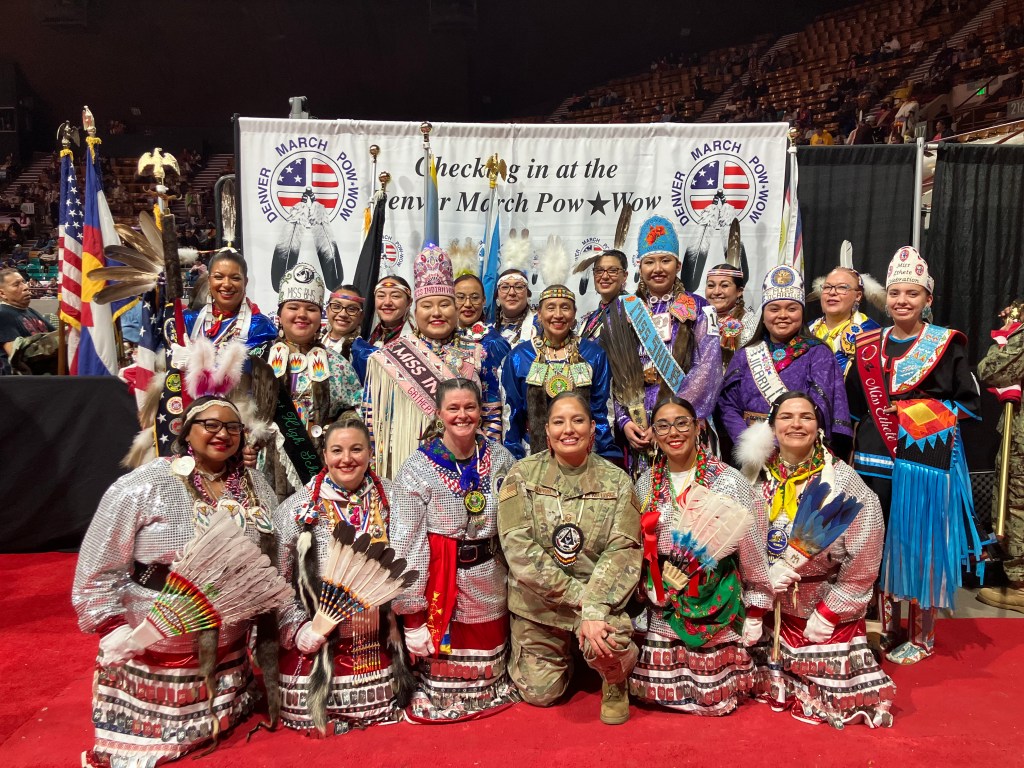
“I always try to voice the positive of our contributions as military service members regardless of which rank. We’ve been asked how could you serve a country that did you so wrong? And I said, ‘Well in our hearts we call it Turtle Island and it’s still part of us,’” founder Mitchelene Big Man, Apsáalooke (Crow Tribe), said.
Big Man said she began the organization because there is little recognition for women who are Native American and in the military. She was in the military working as a diesel mechanic in the combat arms units.
“I didn’t get a lot of the recognition or the awards or some of the stuff that my male counterparts did, even though sometimes I felt like I think I did more than they did, but they overlooked me,” she said.
Vice President Takara Hansell, Missisquoi Abenaki and Lumbee, said being Native American and Black molded her outlook in life, especially from her Native side to not look at things with hatred but through education and knowledge.
“The best thing in my power, with myself, is to get into the trenches and to educate and try to make a world a better place through my hands of what my actions are,” she said.
President Natalie Holt Breen, Penobscot Abenaki, said she grew up moving frequently as her father was in the military and it made it difficult to practice her Indigenous traditions and she had to be re-introduced to them. But the 250th anniversary is a reminder of how Indigenous people have survived throughout the history of the United States.
“It is a double-edged sword, but the same notion, we should take pride in the fact that we have come so far in our own people and our Indigenous people, within our communities, and we have a better understanding, we should celebrate that as people entirely, united people,” she said.
When Big Man got out of the Army after two decades, she saw how society overlooked women in the military and how men were praised more, including in the Native community. It was then during the Denver March Powwow where she and two other Indigenous women veterans attended in identical jingle dresses.
They were asked what color guard they were in, which they didn’t plan to do. They were introduced last for the grand entry and were met with thunderous applause when they were announced as the first female Native American color guard.
Invitations to different powwows followed.
“It was rough though. I’m not gonna tell you because you have a lot of pushback. Not only from the males, because there were some guys that would not shake our hand. We got bashed [at] some places where they didn’t want us there,” Big Man said.
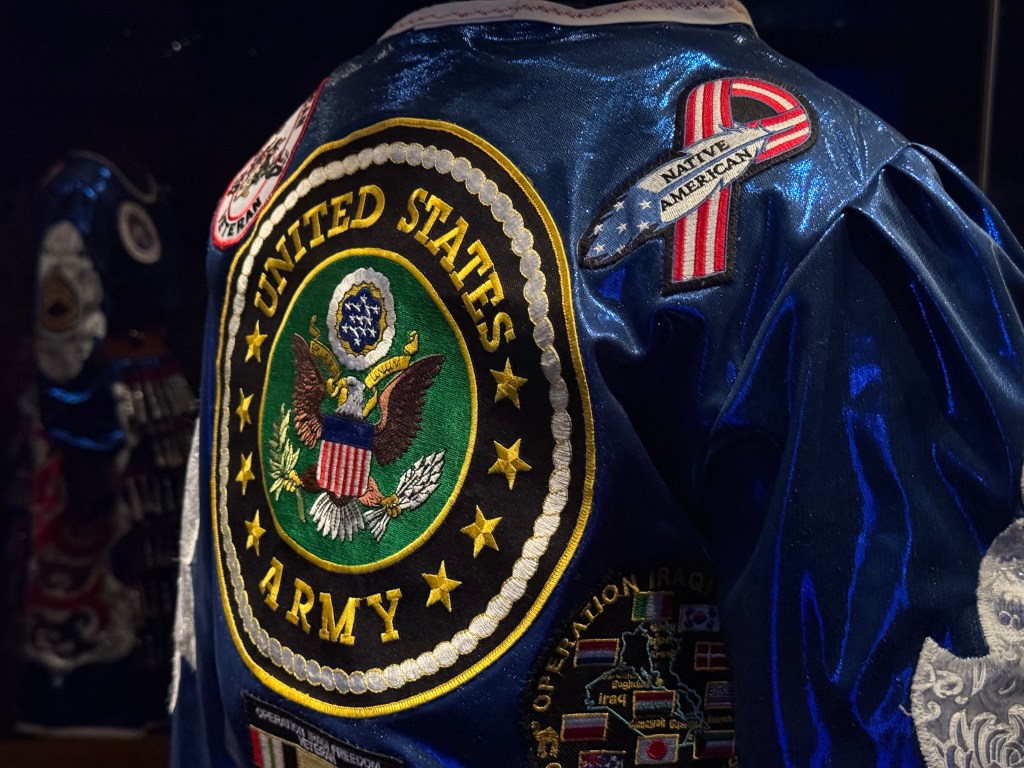
Despite some opposition, the Native American Women Warriors have been recognized by the Obama Presidential Center and the Smithsonian American Indian Museum. The Obama Presidential Center has a blue jingle dress they wore for Obama’s inauguration. The Smithsonian has two dresses on permanent display.
At a time when Big Man was thinking of not continuing with the organization, Obama sent a letter to her to encourage her to keep moving forward. She also exchanged letters with Queen Elizabeth II of England, as she also served in her nation’s military.
“Not only from the Obamas, and the encouragement, but from a lot of people, close friends, and even people that didn’t even know me that would just reach out to me through Facebook. They said, ‘You can do this. Don’t let it go.’ If it wasn’t for a lot of the encouragement, I think I would have stopped a long time ago,” she said.
Other events Native American Women Warriors plan to be and have participated in are professional sports games like the NFL and NBA, powwows, guest speaking, conferences, fashion show and foundation events.
Big Man said although Native American Women Warriors has an emphasis on Native American women veterans, there is a bigger aspect of including their families — spouses and children.
“So my daughter, she kind of kicked off the auxiliary and it just expanded from there. So now we have not only, mostly females, but we have like our husbands that are part of our organizations that have served,” she said.

Hansell said the association has created a unique space for so many people that they otherwise wouldn’t have found through established veteran organizations.
“I just want to emphasize the fact that, because of the organization being such a family, it is such a detrimental thing that I think that we didn’t realize that we needed, but we did, this community, United States military females needed that,” she said.
A recent example is two female Indigenous veterans who are not members reached out to the association for help.
“You could say we’re a little bit of everything. I tell people we’re well rounded. We do advocacy. We find the resources and being virtual and it’s all volunteer. We don’t get paid for this,” Big Man said.
Big Man said she is humbled and thankful that the organization has made it this far.
“I was always fighting for my self worth, against a glass ceiling,” she said. ”I think we’ve managed to crack that ceiling, but to be honest with you, when we first started and even all the ups and downs, where we’re at now, I was like, wow, 16 years.”

