
JoVonne Wagner
ICT
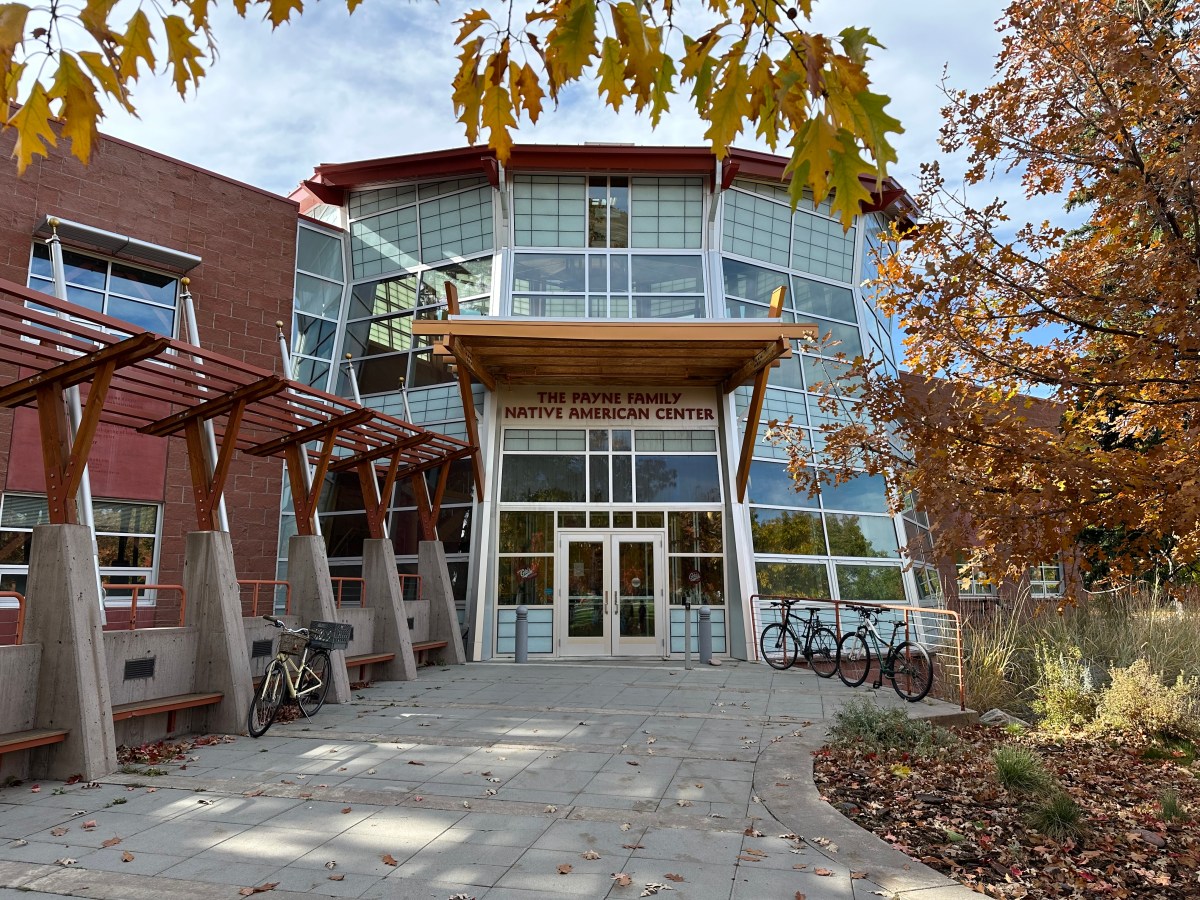
MISSOULA, Mont. – A program created to support Indigenous first year and transfer students at the University of Montana welcomed its first cohort of the semester.
The Indigenous First Year Experience program, IFYE, was created through the efforts of Aaron Thomas, Diné, a chemistry professor who was awarded a $2.5 million grant from the Howard Hughes Medical Institute last year. The funds from the grant were allocated into different programs that support BIPOC students on campus, one being the experience program.
Kayden Fleming, a freshman from the Fort Peck reservation in Montana, said she found the program before she even walked onto campus. She learned about the IFYE as a senior in high school while applying for scholarships, saying that this program sounded like something she wanted to be a part of.
Now, halfway through the fall semester, Fleming, Sioux, told ICT of her appreciation for the program, and explained how she didn’t expect college was going to be challenging, but the program gave her the tools and support to lean on as she started a new chapter in her education journey.
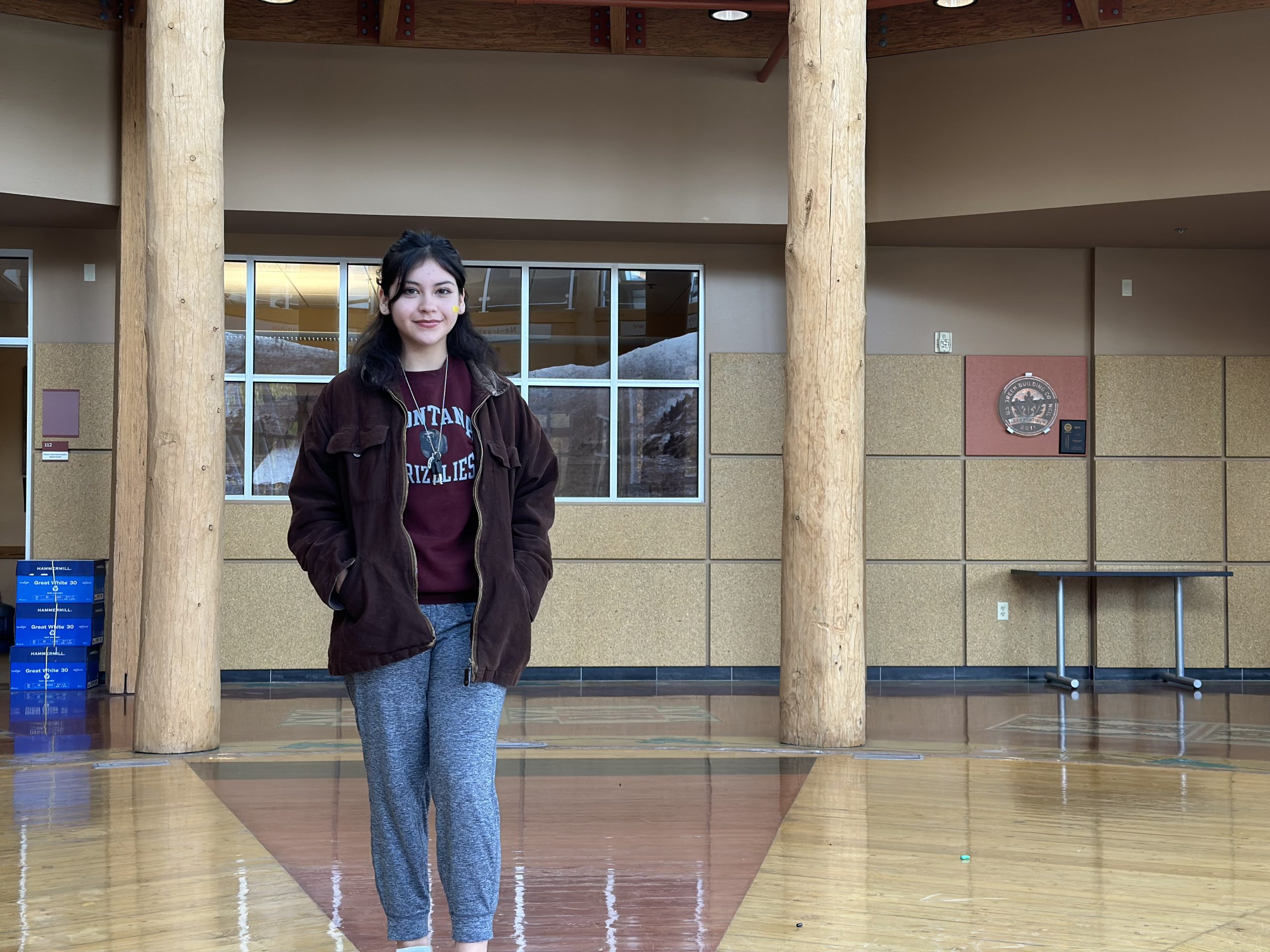
“My high school years, I was getting A’s, and I thought it was going to be easy coming into college. I thought I was going to be doing basically the same thing, I was going to get A’s,” said Fleming. “It was kind of hard because every teacher is different, and they have different classrooms and all that stuff, and all the dates kind of like, they don’t really go around each other, it’s all their own thing.”
For Fleming, one of the biggest obstacles she’s encountered is adjusting to how college classes and professor schedules work, and explained how she feels like she is always running out of time.
However, the program has helped with her homework load and time management through required study sessions.
“The program overall is set up to help students feel like they belong,” shared program director, Cody Munson, who spoke with ICT on how their semester is going.
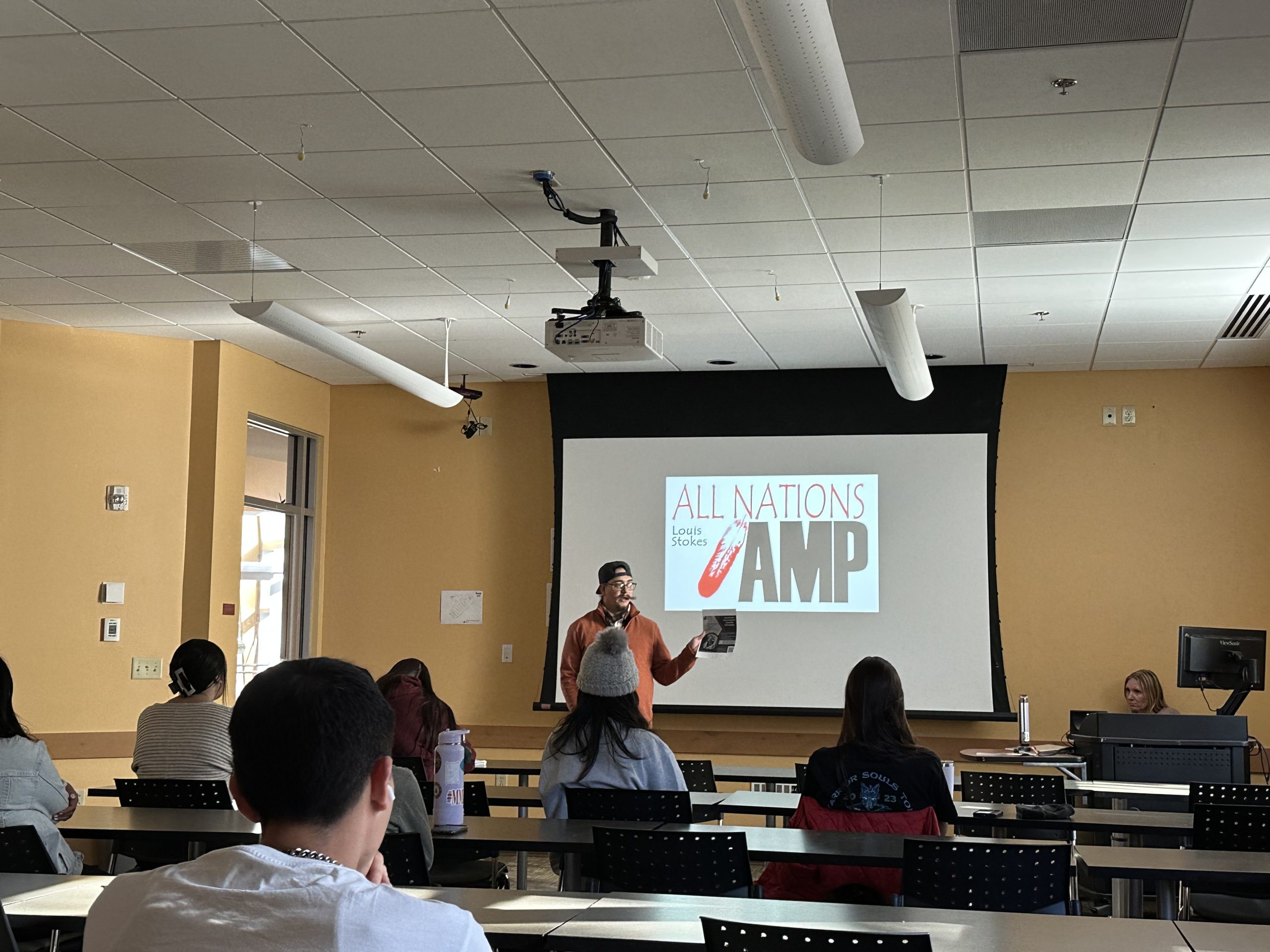
Munson, a first generation Salish descendant, explained there was a pilot program available to students last year, but this year, the grant allowed for a Living-Learning Community portion to be included. That means certain students also live together in the same dorm hall along with a live-in peer mentor, giving them a community away from class for additional support.
Along with the Living-Learning portion, students who qualify are given a monthly stipend up to $200 to assist with financial needs. Students are also required to register for the IFYE seminar for one full academic year, where their cohort meets an hour once a week.
Facilitated by Munson, the weekly meeting is an opportunity for the new students to learn about resources from guest speakers around the university and city that he said students otherwise wouldn’t be aware of.
“You know, freshmen coming from different areas, not being familiar with campus or whatever, that can be difficult to find those services,” Munson said.
Moreso, the program hired Millie Belcourt and Novik Thomas, both of whom are upperclassmen, to be a part of the program’s peer mentorship for the first year students.
Belcourt, Chippewa Cree, was a part of the first year pilot program last year as a transfer student from Nevada. Now as an upperclassman and mentor, she said that her role for the new cohort is to make sure they know they have help both academically and emotionally.
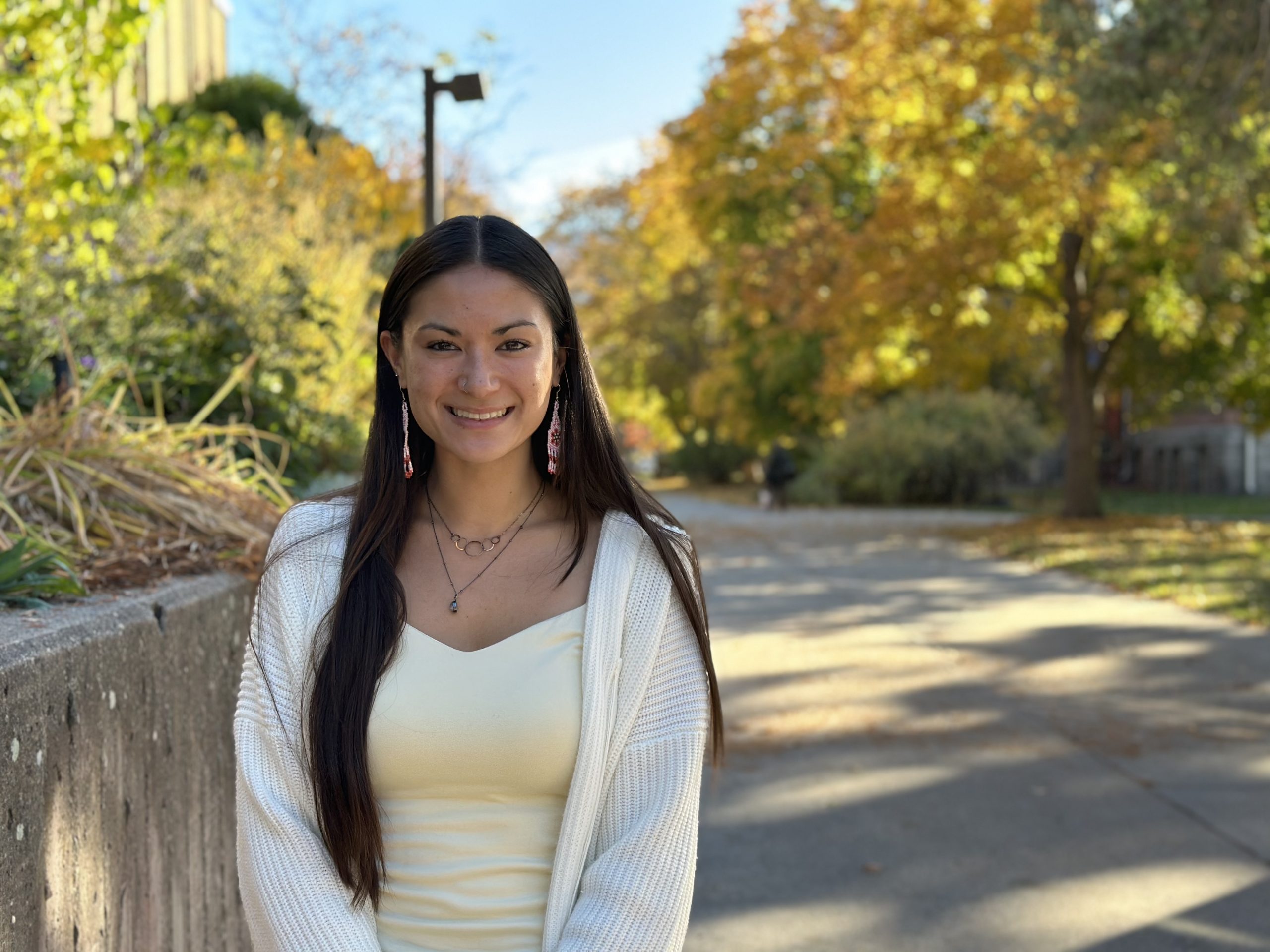
“I see a lot of them hanging out with each other outside of class, or outside of our activities, and I think they’re a lot more comfortable with each other, which was kind of our goal, to just build that community,” said Belcourt, who also lives in the dorm with them. “There are some struggles too, with any freshman moving away from home, it’s just definitely a culture shock in itself.”
Novik, Diné, a junior double majoring in pharmaceutical and biochemistry, provides tutoring services for students in the program, which is another requirement, students must meet weekly with their peer mentors for check-ins and tutoring sessions.
Besides tutoring assistance, Novik, whose father is Aaron Thomas, also shared how the mentorship became an opportunity for himself to be connected with the Native community on campus and shared why it’s important to have that inclusion.
“Native culture is very family based and very community based and very integrated in you and your cousins and your kinfolk,” Novik said. “So I think having these living learning communities, I mean, from what I’ve observed from not living there, everyone’s really close and I know there’s also been issues, which is what I would expect from a family, you know, kind of situation, but there has been a lot of really close friendships being made and just a very big sense of belonging and community.”
Elizabeth Baker, Mandan and Hidatsa, enrolled in the program not as a traditional freshman but as a transfer student. She grew up in Miles CIty, a town in Eastern Montana, and earned a degree from Miles City Community College.
“I got my Associates of Arts degree, and then I took a gap year, and I was like, ‘Okay, now what?’ I was just working and so I decided to just take a plunge and go across the state. I’ve never been to Missoula before, everything is brand new,” Baker told ICT.
She said she learned about the program from an email as she was gearing up to go back to school, which turned out to be a perfect fit for her.
“I got a spot in the class and it’s been actually really amazing because I’ve never been here before. Even though I’m not a freshman, it’s still nice to have, a resource that introduces me to campus, you know, a big university. So that’s where it’s been extremely beneficial,” Baker said.
Funding for the Indigenous First Year Experience program is set for the next 5 years. The program director shared that he does see some aspects of the program to change for future cohorts, but reiterates why this program is helpful for the Indigenous presence at the university.
“This is a way for our students to be coming from different reservation lives, but be able to establish a community or family together and grow together and be able to create those relationships that they’ll be able to support each other throughout their college careers,” Munson said. “It’s just kind of like planting those seeds so they can grow together.”

Our stories are worth telling. Our stories are worth sharing. Our stories are worth your support. Contribute $5 or $10 today to help ICT carry out its critical mission. Sign up for ICT’s free newsletter.
