

Sandra Hale Schulman
Special to ICT
Jerry Laktonen is a fisherman and boatbuilder who began carving in his 40s and has become a leading voice in the revival of Alutiiq carving traditions. His masks and ceremonial paddles are celebrated nationally, and his colorful, powerful works greet visitors at the Smithsonian’s National Museum of the American Indian. His works have earned first-place awards at the Santa Fe Indian Market, the Heard Museum Fair in Phoenix, and other major Indigenous art shows across the country.
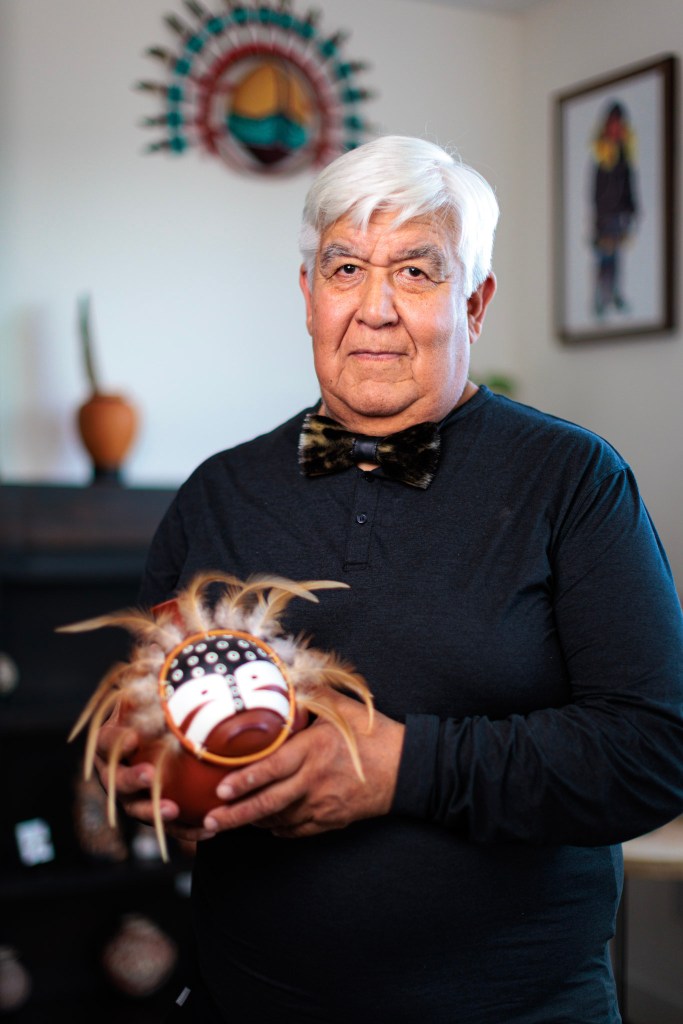
Most recently, he has also won the Distinguished Artist Award as part of the Rasmuson Foundation’s Individual Artist Awards program. The award, which includes a $50,000 grant, honors his lifetime of creative excellence and cultural leadership, the foundation’s highest recognition for an Alaskan artist.
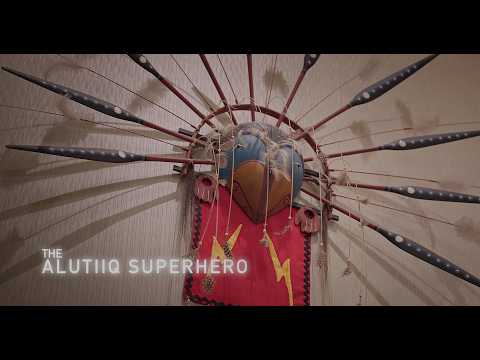
This recognition shines a light on the broader role of Alaska Native artists: sustaining Indigenous identity, mentoring the next generation and contributing significantly to Alaska’s economy. Traditional Native artists are central to cultural revitalization and the strength of Alaska’s Indigenous communities. Laktonen’s carvings include ceremonial Alutiiq paddles and expressive masks.
“Jerry Laktonen brings intention and integrity to every piece he creates,” said Gretchen Guess, president and Chief Executive Officer of Rasmuson Foundation. “He has worked tirelessly to ensure Alaska Native artists are recognized and respected. His commitment to authenticity has left a lasting mark on both his community and the field. Artists like Jerry Laktonen remind us that culture is not only preserved. It is lived, shared, and continually reimagined,” added Guess.
What does it mean to win this award?
A self-taught artist who began carving in his mid 40s, Laktonen turned to art after the Exxon Valdez oil spill disrupted his fishing livelihood to express his creativity in a new way.
“When I first started it out at ground zero, not having a lot of money and having to make something with my hands in order to have some security to just live and to not be stressed out all the time,” Laktonen told ICT. “I had to stick my neck out quite a bit to increase my visibility and give myself more of a chance of having success.”
A move to Washington state from Alaska helped his transition.
“That was when I moved south to Washington state and made it easier for me to be able to go to major shows in the major markets in the United States,” Laktonen said. “That was often done with an awful lot of hope involved because I didn’t have any money to be able to do anything extra except just make something that I thought I could sell and also take care of my other needs.”
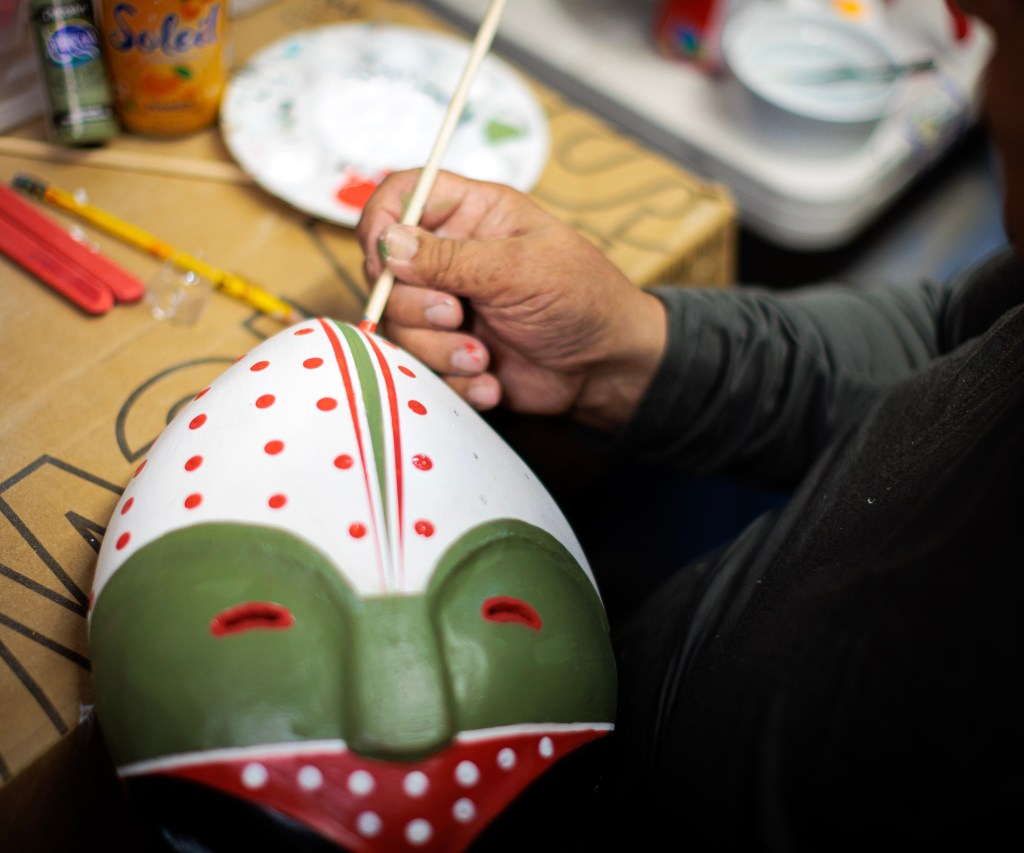
But desperation and necessity are often at the forefront of invention.
“That stress actually brought out something in me that I didn’t know I had and that was resourcefulness or maybe talent,” Laktonen said. “I was surprised at what I was able to come up with as far as ideas and ways of expressing what I wanted to express in my culture.”
Laktonen says he felt blessed to learn about carvings, the innovation of the people that came before, which inspired his own creativity.
In trying to create his own style of the traditional Alutiiq carving art form, he ran into creative roadblocks that were partly mental and partly from the art world.
“There was always the danger of misrepresenting what was known about from the past,“ Laktonen says, “I wanted to bring out the elements of what I was available a long time ago and express it without manipulating it too much. I think almost without any doubt I did go a little bit too far sometimes, but that was a little bit of what I thought was my duty as an expressive artist.”
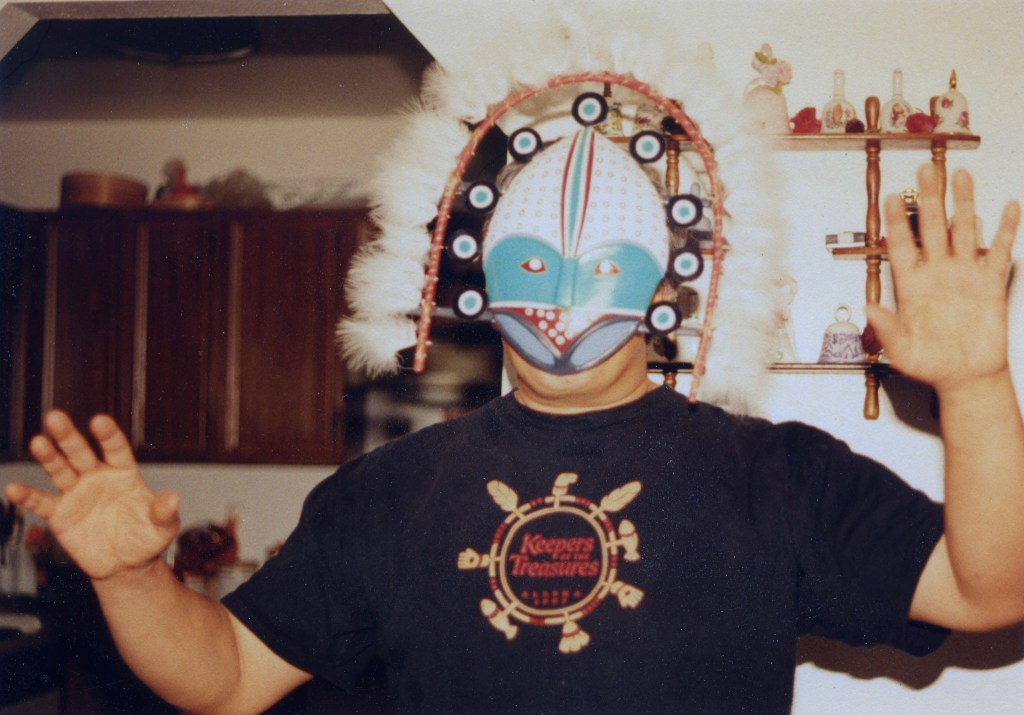
He says that there was a lot going on between survival and his personal expression creating a balancing act to stay alive.
“Maybe getting the award affirmed to me that I may have been on the right track,” Laktonen says. “I don’t know, but with the way things have been going I’m optimistic.”
After many years of working as an artist, the recent award money will allow him to produce work in a more sustainable way that allows for rest.
“As far as volume of work my hope is that I can decline in volume but increase my expressiveness,” he says “I’m looking forward to what might happen now being creative and not feeling the pressure as much. I hope that I was able to express what I thought were the elements of the Alutiiq culture, at least as I saw it.”
Looking over his body of work Laktonen says he is both impressed but a little bit disappointed he wasn’t able to put more energy into it at times. He says when he looks back at his work he thinks it was “fantastic” and believes carving and making artwork is a good way for people to understand themselves and learn what’s going on inside of their own head.
“I will continue to make my usual masks and paddles,” Laktonen says “And try and make them exceptional and spend more time on them because I won’t be pressured to try and make money to stay above water.”

