Joaqlin Estus
ICT
The Inuit Circumpolar Council has some uphill battles it’s waging. One is to stir action internationally to address climate change despite the loss of a major international forum, the Arctic Council. Another is to continue to collaborate with Chukotkans, or Russian Inuit, despite the war in Ukraine.
The council represents 180,000 Inuit from Alaska (USA), Canada, Chukotka (Russia), and Greenland. It has worked since 1972 to protect and promote Inuit rights, ways of life and unity, and the Arctic environment.
According to the council, the United Nations international climate convention held in Sharm El-Sheikh, Egypt in November brought both progress and setbacks.
In the council’s view, the UN climate convention made progress when it agreed to form a Loss and Damage Fund to compensate the most vulnerable people for climate change losses.
“The loss and damage fund is a first step to ensuring climate justice. In the further development of the fund, we will work hard to ensure that Inuit, who have been on the front lines of climate change for decades, will have equitable access to the fund,” said council International Chair Sara Olsvig in a statement issued Nov. 23.
The decision to create a fund was countered, however, by lack of progress in another area, Olsvig said. “Despite the severe urgency of climate change and the increased extreme weather events, parties failed to agree on adding strong language to phase out fossil fuels,” a step needed, she said, to hold average global temperature increases to less than 1.5C.
Olsvig said the final agreement also had fewer references to Indigenous peoples and human rights than the 2021 COP26 statement in Glasgow.
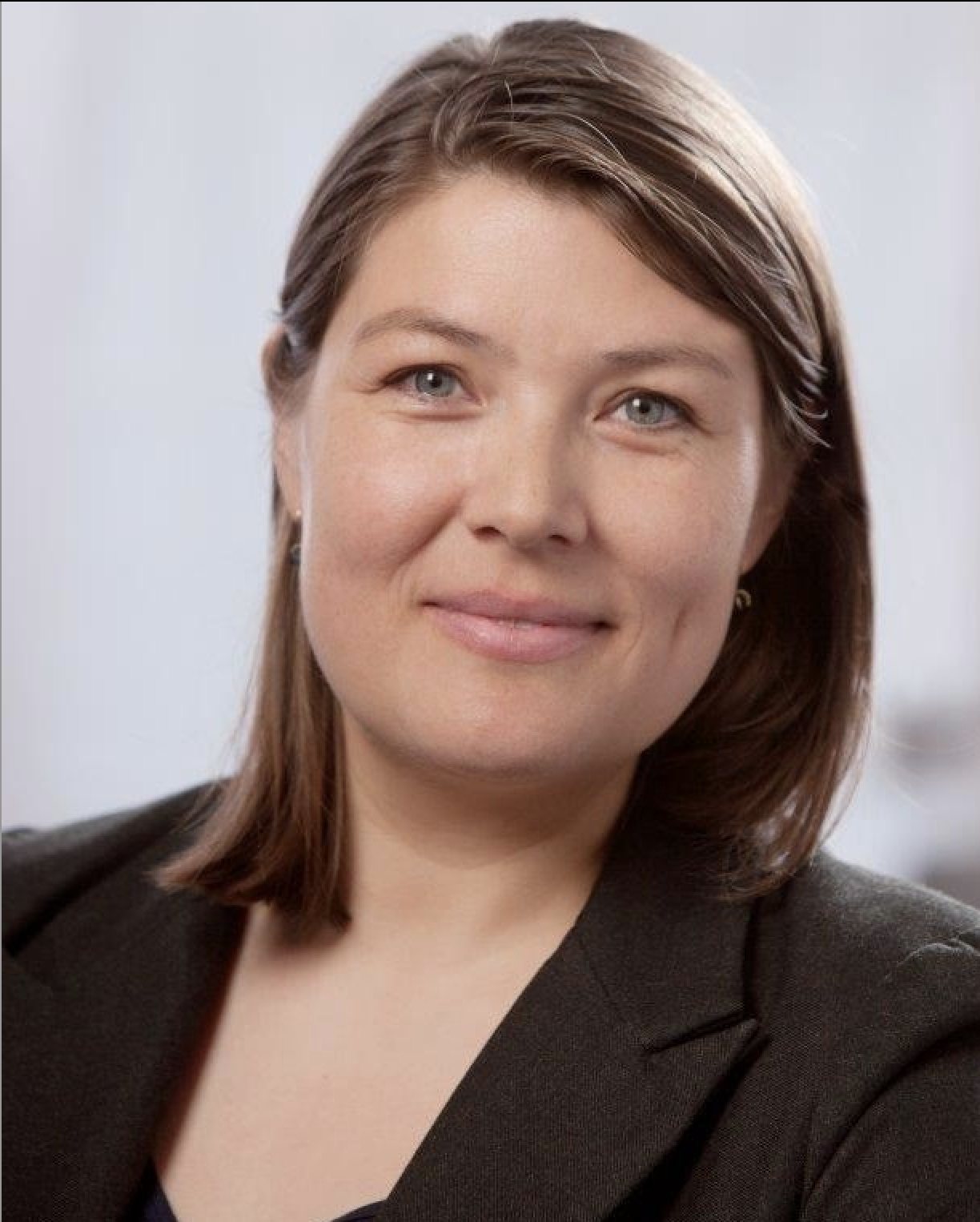
“The lack of human rights language is also a major concern,” said President of Inuit Circumpolar Council Canada Lisa Koperqualuk. “Language on human rights was on and off the table during the COP27, and the end result is a step back as the language included last year in the Glasgow Pact is now gone, which shows that human rights are not seen as fundamental principles by states, unfortunately.”
“It’s one step forward, two steps back,” Koperqualuk added. “But we don’t give up.”
Last July, then newly elected chair Olsvig told ICT, “We, who live in the Arctic, and Inuit, in particular, we see and live and breathe the climate change.”
Olsvig talked with ICT just after the council’s general assembly in July, which is held every four years. Speaking from Ilulissat, Greenland, Olsvig mentioned she grew up near there.
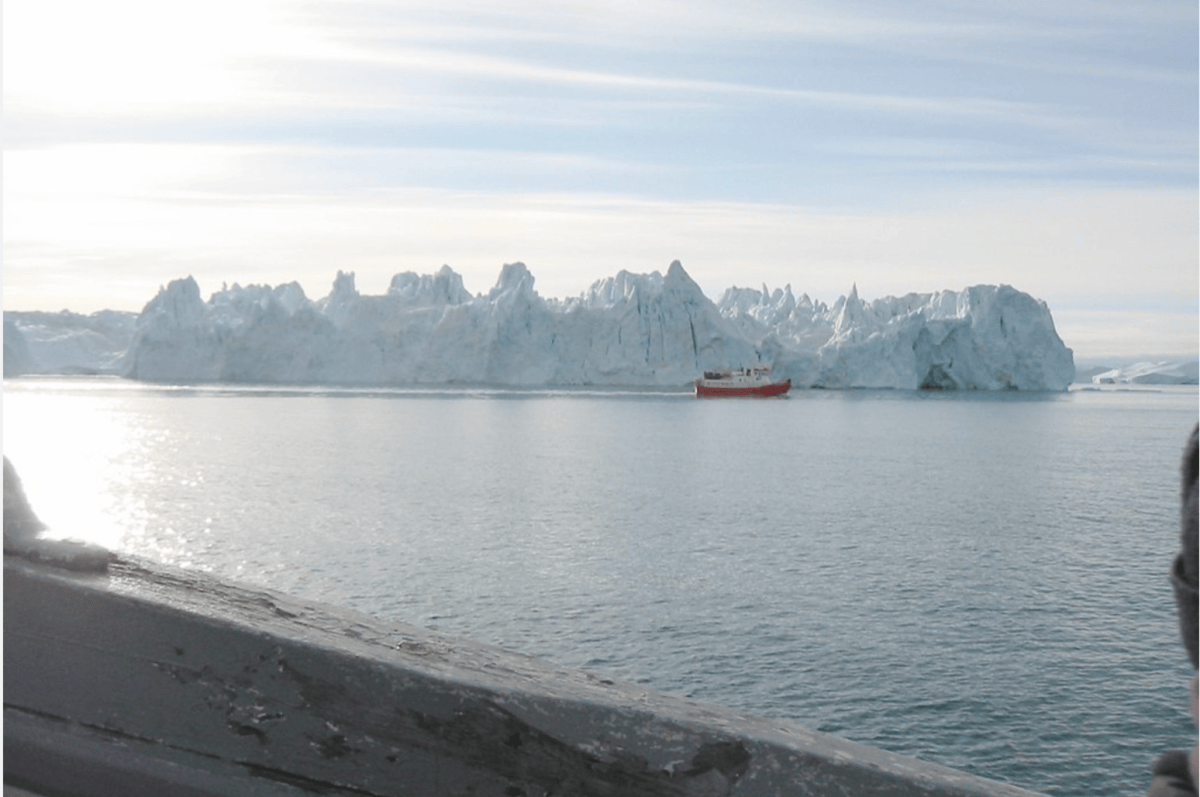
Ilulissat is situated near a World Heritage Site, a fjord through which ice travels after calving off the Ilulissat glacier, one of the most active and fastest moving glaciers in the world.
“When I was little, we would go ice fishing on the ice and we would be able to walk out on the ice, do our fishing safely, and that has not been possible for many of the latest years,” Olsvig said.
She said delegates to the assembly described similar dramatic and fast-moving “changes that are directly impacting their safety, their livelihoods, their everyday life in so many different ways.” Those changes include towns and settlements eroding into the ocean, and melting permafrost that makes it difficult to maintain buildings, roads, runways, and other infrastructure.
“So here in the Arctic, as Inuit, we see and feel the climate change firsthand and it impacts us very, very directly.” She said the council has tried to bring attention to the issue since decades before it hit big media headlines.
“So of course we are very happy that so many other people in the world are now fighting with us against climate change, but more needs to be done in order for us to reach the goals that have also been set out by the UN and internationally in other forums,” Olsvig said.
Despite some movement in different parts of the world, Olsvig said, “there’s still a big challenge in finding common understanding with state leaders, with nation leaders around the world that climate change is happening and we need action.”
Before the UN Convention on Climate Change, the Inuit council issued five recommendations:
- Address inequity of climate impacts
- Incorporate Inuit experience and leadership into national and global decisions on climate
- Engage with Inuit with respect to the Inuit Circumpolar Council protocols issued in June 2022
- Recognize Arctic’s role in global temperature regulation, protection of region in partnership with Inuit
- Establish climate fund that can be accessed by Inuit
War in Ukraine effects
Olsvig in July said that in addition to climate change, the war in Ukraine has put pressure on Arctic peoples.
Because of the war, seven of its eight members, all but Russia, decided to pause the Arctic Council, an international institution. Arctic Council members are the nations of Canada, Denmark, Finland, Iceland, Norway, Russia, Sweden, and the United States. Six permanent participants are: the Aleut International Association, Arctic Athabaskan Council, Gwich’in Council International, Inuit Circumpolar Council, and Russian Association of Indigenous Peoples of the North.
Olsvig said the Arctic Council is an important governing body that involves Inuit people in its deliberations. “So, it is a big crisis for Arctic peoples that the main collaborative body is not in function. We have fought for a place at the table and right now the table is gone.”
Still, she said the council is going to ensure collaboration across the Arctic continues in a way “that is by and for the Arctic Indigenous peoples and Inuit.”
She said the Inuit council worked for decades to establish bonds with the Chokotkan people of Eastern Siberia, ties it is maintaining despite the war.
“We knew, and we have learned even more how connected we are, and how alike we are in our culture and history and as a people. So it is very important for us to maintain that unity… for us to be able to continue our collaboration with, in unity with, our fellow Chokotkan Inuit is of the utmost importance.”
She noted that when contact was first made to fellow Inuit in Chukotka, some four decades ago, it was “difficult times,” during regimes that were putting pressure on the peoples in Russia. “And so we have been through times that are similar to the current times before. But it weighs so heavy for us to maintain our Inuit unity and be able to include all Inuit in the work that we do for Inuit,” Olsvig said
In their efforts, she said council members and staff put traditional Inuit values such as open dialogue and diplomacy to good use. At the climate convention, for example, “our message and recommendations were heard everywhere,” said Olsvig. “Our delegates spoke on many platforms and interacted with many world leaders, other Indigenous Peoples and government delegations.”

ICT, a nonprofit and multimedia news enterprise, is a spacious channel that serves Indigenous communities with news, entertainment, and opinion. Support ICT for as little as $10.