
Miles Morrisseau
ICT
It was a year of historical moments in politics, sports and the arts for Indigenous peoples in Canada, with moments to celebrate and losses to bear.
The long-awaited work began to search a landfill for the remains of Indigenous women in the city of Winnipeg who were targeted by a serial killer. The Canadian Medical Association, the country’s oldest group representing doctors and medical professionals, issued an apology for historic mistreatment of Indigenous peoples.
And a months-long investigation by ICT in partnership with the Yellowhead Institute at Toronto Metropolitan University found that addiction to opiates is a growing problem for First Nations families in Canada, funded in part by Canada’s national health system.
But there were bright moments, too. The classic film “Star Wars” was translated into Anishinaabemowin and had its world premiere. And Mohawk hockey star, Brandon Montour, continued the trend of Indigenous players winning hockey’s greatest prize – the Stanley Cup.
It was an incredible year for Indigenous films, music and especially TV, with the groundbreaking series “Little Bird,” about the intergenerational impact of residential schools. The series swept prizes at the Canadian Screen Awards and debuted south of the border on PBS.
SUPPORT INDIGENOUS JOURNALISM. CONTRIBUTE TODAY.
At the year’s end, “Powwow Highway” was inducted into the Library of Congress National Film Registry, bringing a fresh spotlight to the 1989 classic film led by an unforgettable performance from Gary Farmer and music by the late Robbie Robertson.
But there were losses as well. Visionary leader Murray Sinclair, who chaired Canada’s Truth and Healing Commission, died in November at age 73, and Assembly of Manitoba Chiefs Grand Chief Cathy Merrick — the first woman to hold the position — died in September.
Here are some of the top stories from the year that was.
Ojibway in a galaxy far, far away
The year started with the announcement that the world’s most popular movie and the launch of an endless line of movies, TV shows and action figures was going to be dubbed into Anishinaabemowin, the Ojibway language.
The project was a collaboration between Disney/Lucasfilm, the University of Manitoba and the Dakota Ojibway Tribal Council.
Summer Bressette, an Anishinaabe educator, storyteller and lifelong “Star Wars” fan sees the potential for using the film in classrooms, through online teaching and in her own language journey.
“I fell in love with ‘Star Wars,’ like my cousins all did, as children,” Bressette told ICT. “As little Anishinaabe kids playing and acting out our favorite parts from ‘Star Wars,’ … we understood about the spiritual connection that they were talking about with the Force.”
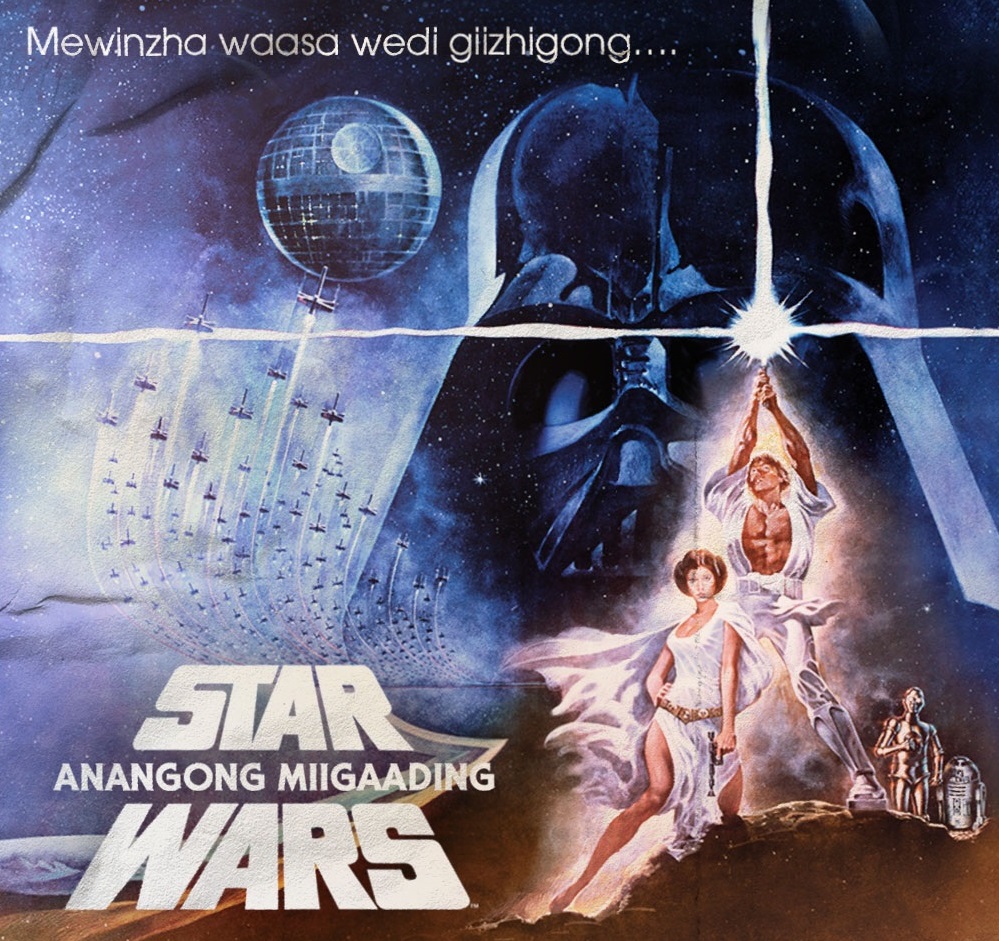
The translation and dub was completed over the year and presented at a gala premiere in August at Winnipeg’s Centennial Hall, where it was greeted with cheers and applause. The film is now available on Disney Plus along with the Navajo language version, which debuted in 2013.
Landfill search begins
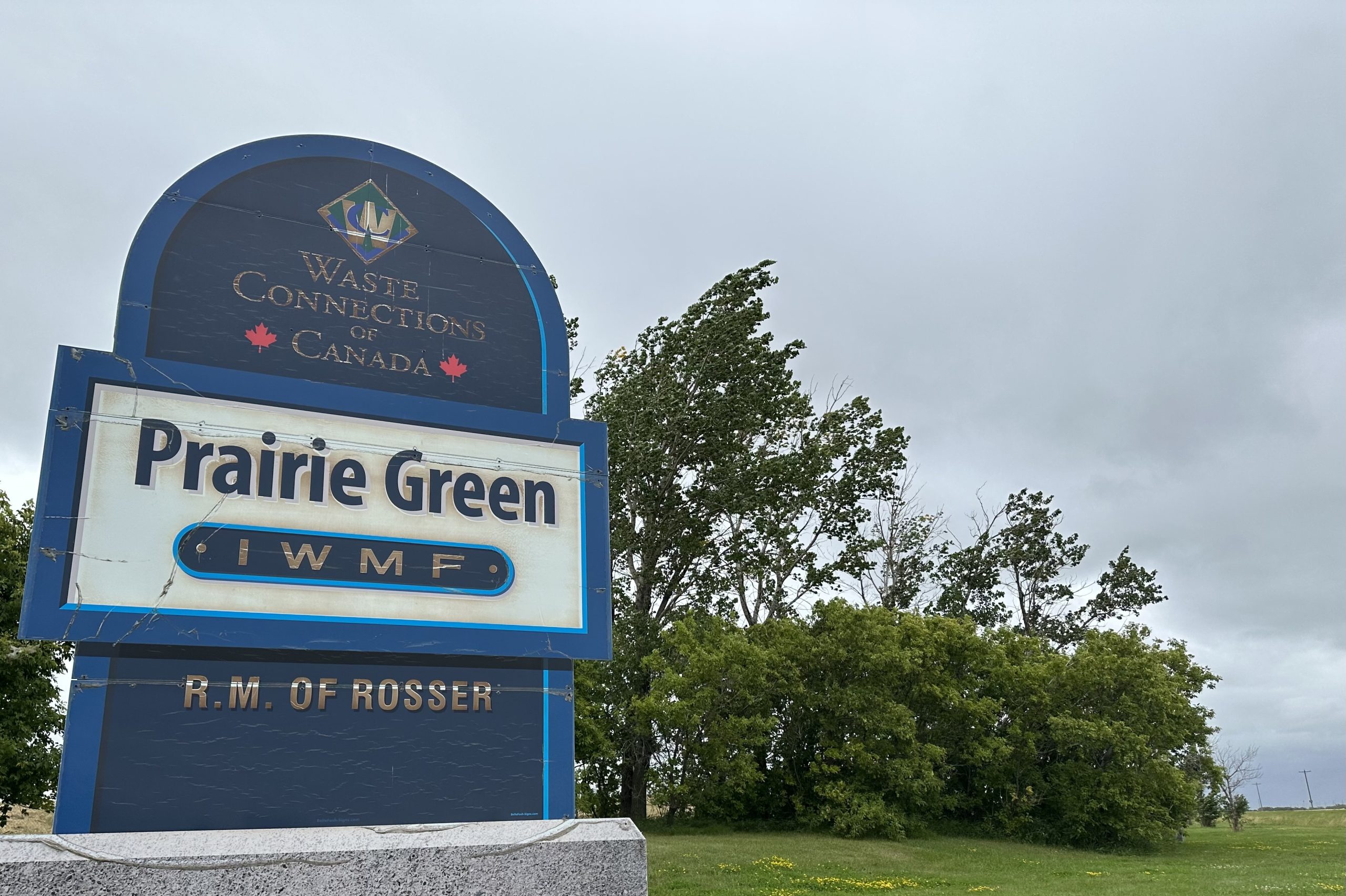
The Assembly of Manitoba Chiefs announced their plan at the beginning of the year to search the Prairie Green Landfill for the remains of Indigenous women targeted by a serial killer in the Winnipeg area.
The assembly’s then-Grand Chief Cathy Merrick made the announcement after more than a year of study and development of a plan to search for the remains.
Remains of one woman were originally found at the Brady Landfill and prompted an occupation on the property called Camp Morgan, named after one of the victims, Morgan Harris. Indigenous leaders believed other remains had ended up at the Prairie Green Landfill as well.
“We expect the findings of this report will expedite the funding required to begin the search and recovery operation for Morgan Harris, Marcedes Myran and Buffalo Woman,” Merrick stated at the time, naming the names known or given to some of the killer’s victims. “Theres’ no room for compromise here.”
A Winnipeg man, Jeremy Skibiki, was arrested, and on Aug. 28, he was found guilty in the murders of four Indigenous women between March and May 2022. Skibiki received four life sentences for his crimes.
Merrick worked closely with the victims’ families, but less than two weeks later, on Sept. 6, collapsed and later died. Elected in 2022, Merrick was the first woman to be grand chief of the Assembly of Manitoba Chiefs.
“We have had the honor to have such a powerful figure stand by our families side,” Cambria Harris, daughter of Morgan posted to her Facebook page. “The gratitude and respect I hold for you is immense and your presence will be greatly missed by all in the community.”
The search of Prairie Green Landfill began in the fall with the support of the City of Winnipeg, the government of Canada and the province of Manitoba, under the watchful eye of the chiefs and family members of the victims.
Award-winning Indigenous journalist arrested
Brandi Morin, one of Canada’s most-respected Indigenous journalists, was arrested while covering the ongoing crises of homelessness, mental health and addictions that have created encampments in many cities.
“I’m familiar with the violence that our people face by the police,” Morin, who is Cree, Iroquois and French, told ICT. “I was there to do my job – to witness, to document. I was not impeding their work … The next thing you know, I’m handcuffed and put into a paddy wagon and taken to police headquarters downtown and held in a cell for five hours.”
Morin is a prominent journalist published in The New York Times, Rolling Stone magazine, National Geographic and many more. In 2022, she won the Edward R. Murrow Award for her reporting on the missing and murdered Indigenous people’s crisis. In 2023 she was awarded PEN Canada’s Ken Filkow Prize for her bravery in “advancing freedom of expression in Canada.”
Her arrest sparked outrage over the growing attacks on journalists.
“Brandi was targeted and singled out for doing her job as a journalist,” said Brent Joly, president of the Canadian Association of Journalists..
The obstruction charges against her were dropped on March 1.
Indigenous artists break out at the Juno Awards
Indigenous artists received a record number of nominations in categories across the board at this year’s Juno Awards, Canada’s annual celebration of the best in homegrown musical talent.
In the past, the only nominees would be in the Indigenous category, which in recent years had split into two, for traditional and contemporary music. The times are changing, however, and in 2024 more than 20 Indigenous artists in a variety of categories were nominated and more than ever took home the hardware.

Taking home awards were Aysanabee, Oji-Cree from Sandy Lake Nation, for Songwriter of the Year and Alternative Album of the Year; William Prince, Peguis First Nation, for Best Contemporary Roots album for his album, “Stand in Joy”; Elisapie, Inuk, for Contemporary Indigenous recording for her album, “Inuktitut”; and Joel Wood, Mascwacis Cree Nation, for Traditional Indigenous Album for “SIng, Pray, Love.”
Blue Moon Marquee, led by A.W. Cardinal, Cree-Metis, and Jasmine Collette, were awarded Best Blues Album for “Scream, Holler and Howl.” The album also cleaned up at the Maple Blues Awards earlier in the year.
‘Little Bird’ flies high
Indigenous creatives also found big success on the small screen.
Those working in television and streaming were in the spotlight with a record number of outstanding productions and performances acknowledged at the Canadian Screen Awards on May 31.
“Little Bird” led the way, but more than 20 Indigenous-led projects took home awards in a wide variety of genres and creative roles, from lead performances to costume design and news and comedy. It was a historic night.

“Little Bird,” the story based on the Sixties Scoop, a long-hidden part of Canada’s history, took home the most television honors. The series tells the tale of one young woman finding her way back to home and family, and represents the reality for thousands of Indigenous children scooped from their homes and even from hospitals as newborns during the late 1950s and into the 1980s to be raised in White homes.
The series was nominated for 19 awards and took home 13, including Best Drama Series; Best Direction in a Drama Series for Elle-Maija Tailfeathers, Blackfoot and Sami; Best Supporting Performer in a Drama series for Braeden Clarke, Mikisew Cree Nation; and Best Lead Performer, Drama Series for Darla Contois, Misipawistik Cree Nation.
Contois took to the stage in a flowing floor-length satin dress with fringe-like eagle feather fluffs designed by Heather Bouchier, Plains Cree.
“I want to say thank you first and foremost, to my mom for teaching me to believe in myself,” she said with the golden statue clutched in both hands. “When I was a little kid, she wrote on my wall, ‘Darla, you’re a star’ … she truly ingrained it in my head, that I could do anything that I wanted to do. And so I wouldn’t be here without her.”
In the spotlight at TIFF and beyond
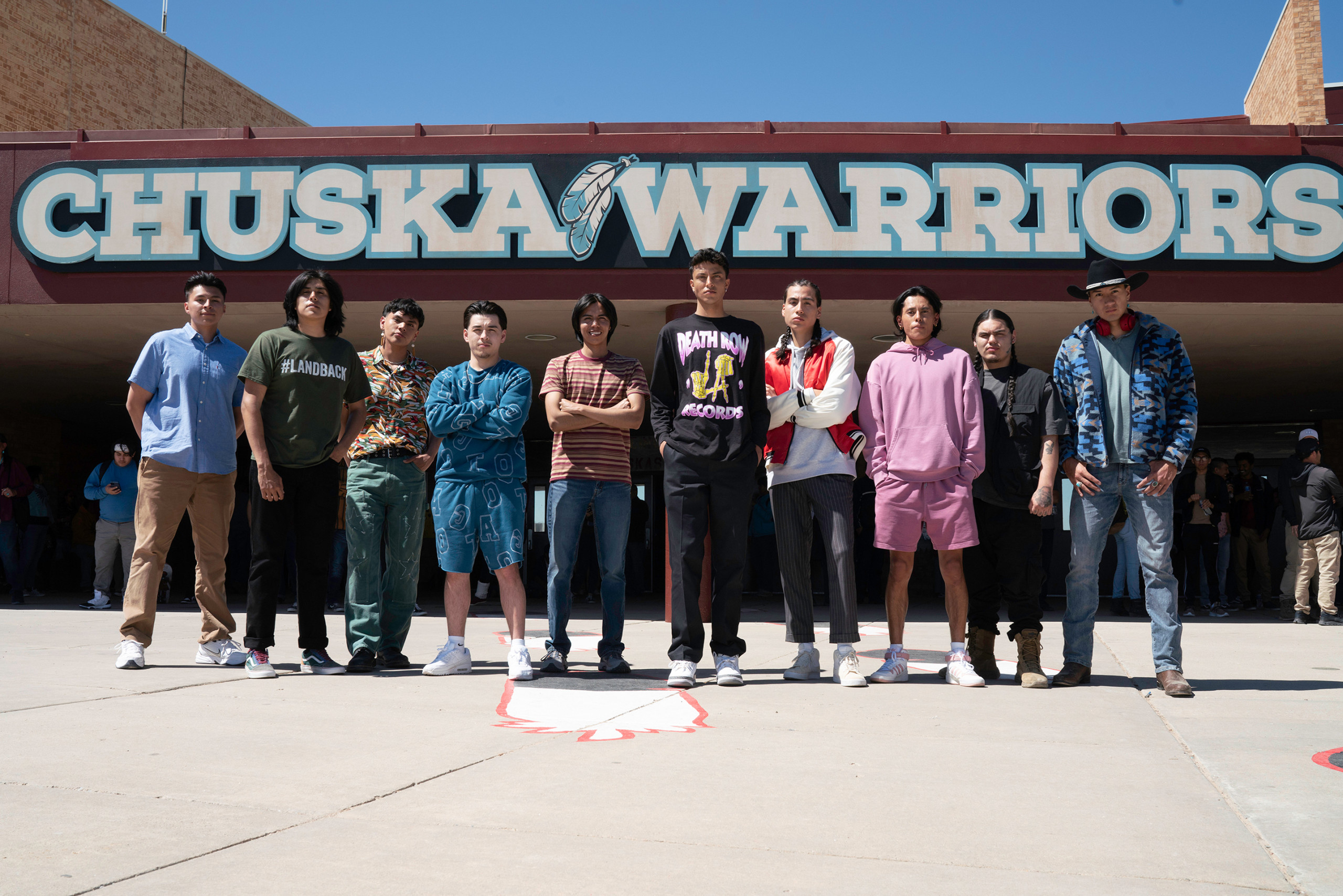
The 2024 Toronto International Film Festival opened with an unprecedented 15 Indigenous films in the line-up, including the eagerly anticipated “Rez Ball,” based on the true story of a Navajo boys basketball team, and the thrillers “Seeds” and “The Beguiling.”
The festival, celebrating its 49th year, has become one of the top film festivals in the world and a launching pad for big studio projects, Oscar contenders, independent darlings and everything in-between.
“We’re really excited about Kaniehtiio Horn’s film ‘Seeds,’” Kerry Swanson, Michipicoten First Nation, chief executive of the Indigenous Screen Office, told ICT. “And she has said to us that our funding made a really huge impact in allowing her to bring a crew from her community … She said that made the world of difference for her first feature to have the support of crew from her community.”
Swanson also pointed to Eva Thomas, Walpole Island First Nation, as a filmmaker to watch.
Thomas was a producer on “Seeds” and a co-director of the gritty contemporary drama, “Aberdeen,” which also launched at TIFF. Thomas had picked up an award earlier in the year at the Canadian Screen Awards in May for Best Direction in a Factual series for her work on “Still Standing,” a show that features stand-up comedian Jonny Harris visiting small town Canada. Thomas directed episodes for seasons 8 and 9 of the popular CBC series.
By year’s end Thomas was shooting her solo feature debut, “Nika and Madison,” which she described as an “Indigenous Thelma and Louise.”
‘Powwow Highway’ tapped for National Film Registry
Past creative work is also getting attention.
The 1989 Indigenous film classic, “Powwow Highway,” has been inducted the Library of Congress National Film Registry, which recognizes some of the greatest films in the history of American cinema.
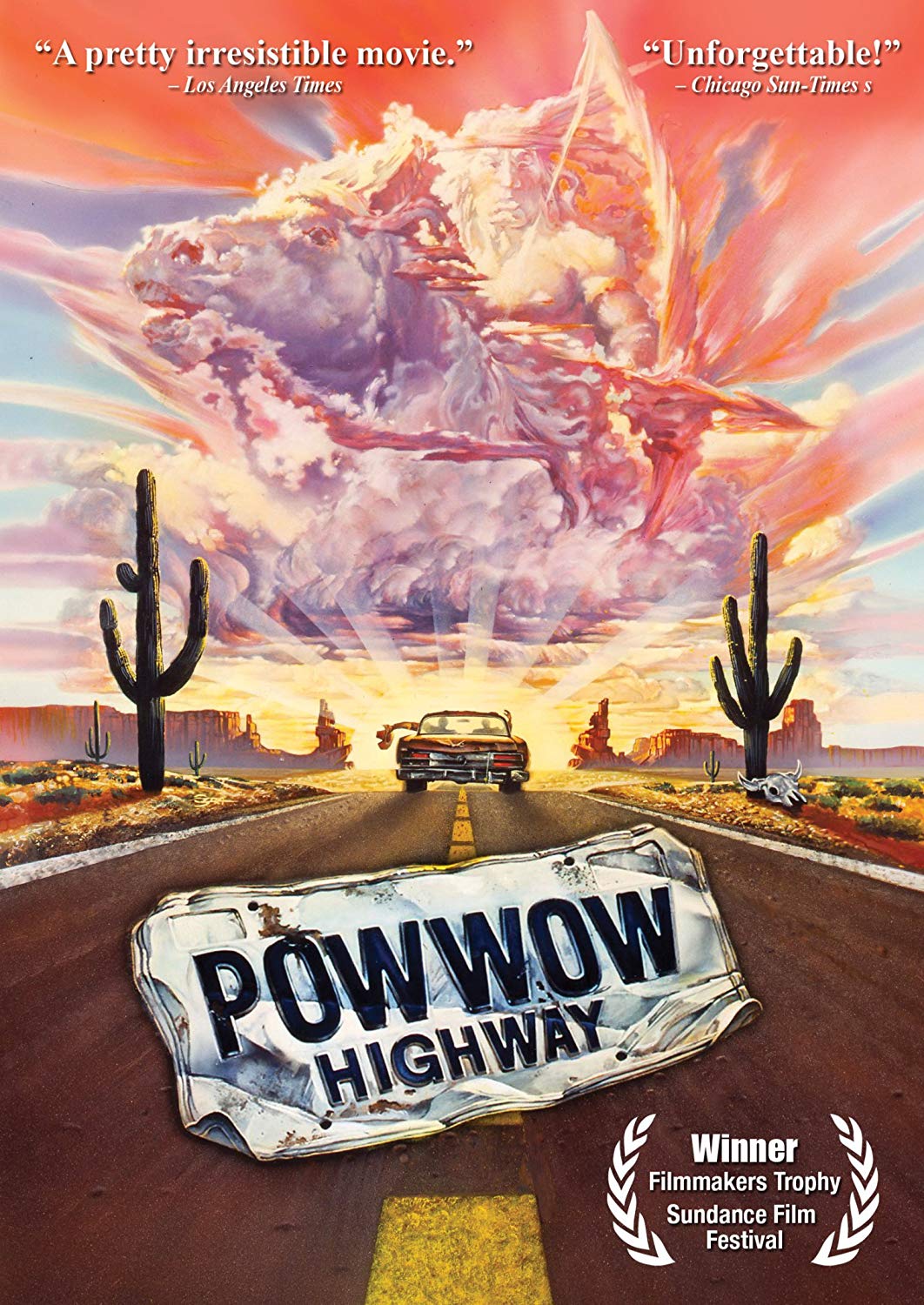
The film — starring Indigenous actors A Martinez and Gary Farmer — is among 25 films selected for the registry for 2024 because of their “cultural, historic or aesthetic importance to preserve the nation’s film heritage,” the Library of Congress announced Dec. 17.
Inclusion on the registry is one of the highest honors in film and ensures that the work is preserved for future generations.
The film is anchored by the comedic and spiritually grounded performance of Farmer, Cayuga from Six Nations of the Grand River. It was also a debut of sorts for musician Robbie Robertson, of The Band, to connect with his Indigenous roots. Robertson, who died in 2023 at age 80, was Mohawk from the Six Nations of the Grand River and his emotional guitar playing and plaintive vocals in ‘Powwow Highway” are a memorable part of the film’s uniquely Indigenous tapestry.
Money and politics
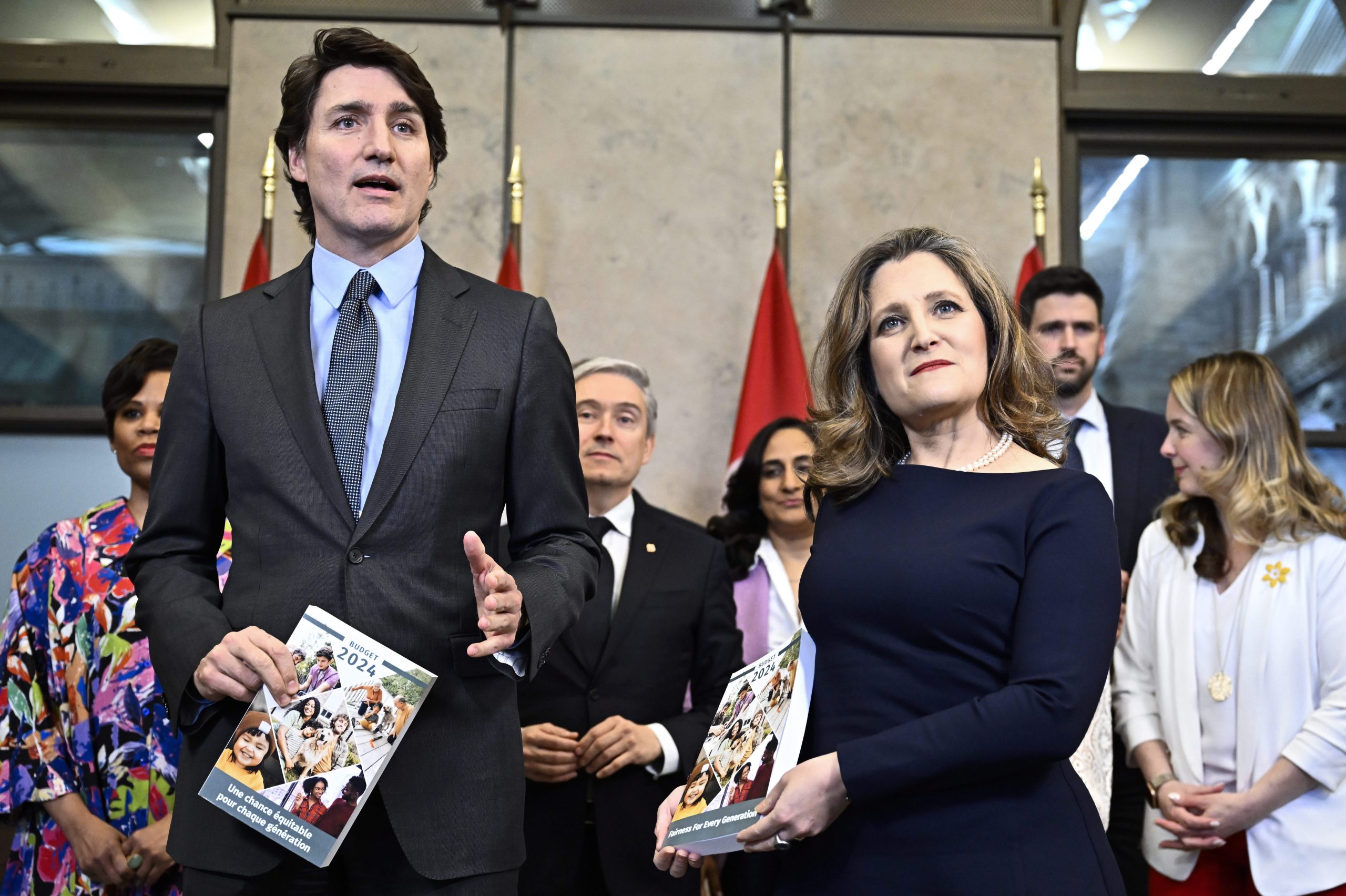
Prime Minister Justin Trudeau and his governing Liberal Party released Canada’s 2024 federal budget on April 16, to mixed reviews from Canada’s three national Indigenous organizations.
The three groups – the Assembly of First Nations, the Inuit Tapiriit Kanatami and the Métis National Council – said the proposals fell short of meeting the needs in their communities.
“We welcome and appreciate new investments proposed for First Nations health, children, education, and for the new business loan guarantees program for large projects,” said AFN National Chief Ciny Woodhouse Nepinak. “However … the budget proposals for housing, policing, roads, and water fall far short of closing the long-standing infrastructure gaps that create so many difficulties for First Nations people.”
The Inuit Tapiriit Kanatami supported the Inuit-specific funding for housing and infrastructure, but the Inuit have been dealing with an unprecedented tuberculosis crisis. ITK President Natan Obed was disappointed by the notable absence of funding to eliminate tuberculosis.
“ITK works with the federal government through the Inuit Crown Partnership Committee to advance Inuit priorities,” Obed said “We are encouraged to see some of our joint efforts reflected in Budget 2024. But our shared commitment toward TB elimination cannot be achieved without significant resources.”
The Métis National Council released a statement saying the government investment in economic development in the Métis Nation is a win for everyone.
“This year’s budget invests in the Métis economy which, in turn, supports Canada’s economy,” said council President Cassidy Caron.
The budget was announced in the House of Commons by Deputy Prime Minister and Minister of Finance Chrystia Freeland, marking what would be her last budget as minister in Trudeau’s government. She recently resigned from the position, pushing the Liberal Party government into disarray that could lead to an early election.
Montour wins big with Stanley Cup, Kraken deal
Indigenous players stepped up in the National Hockey League in 2024.
The Florida Panthers won their first Stanley Cup and a core member of that championship team was defenseman Brandon Montour, Mohawk from Six Nations of the Grand River. The Panthers defeated the Edmonton Oilers in a memorable seven-game series to win the NHL’s greatest prize — a chance to lift the Stanley Cup.
“Be ready for it to come back home,” Montour told Sportsnet after the win. “The support I had my whole life, obviously this team, my friends and family, everybody back home.”

Every member of the winning team gets to take the Stanley Cup home for a day, just like Zach Whitecloud, Sioux Valley Dakota Nation, did last year when his Vegas Golden Knights won the first cup in their franchise history.
Montour, who had earned the nickname “Money” for his penchant for scoring or setting up big time goals, earned that moniker off the ice when he signed a $50 million deal with the Seattle Kraken.
Canadian Medical Association makes historic apology
The Canadian Medical Association — the largest and oldest group representing medical professionals in Canada — issued a sweeping apology for the historical and ongoing mistreatment of Indigenous people.
In a ceremony held in Victoria, British Columbia, on Sept. 18, association President Dr. Joss Reimer apologized for the “ongoing and past harms” to Indigenous people, including institutional racism and segregation, forced sterilization and experiments on adults and children.
“The Canadian Medical Association is deeply sorry for the harms First Nations, Inuit and Métis peoples have experienced and continued to experience in the Canadian health system,” Reimer said.
“The racism and discrimination that Indigenous patients and healthcare providers face is deplorable, and we are deeply ashamed.”
The apology followed an extensive examination of past practices with multiyear reviews of archives, social media accounts, parliamentary debates and community records. An ethics review of the records was also completed using the association’s code of ethics and professionalism for the medical profession.
ICT Reports: Opioid addiction fueled by Canadian government
An investigation by ICT in partnership with the Yellowhead Institute in Toronto found the Canadian health care system helped fund the rise in opiate addiction among the First Nations and Indigenous communities and their young people.
The Canadian system spent nearly $68 million (more than $50 million in U.S. dollars) in 2021 on opioid prescriptions, an increase of more than 200 percent in 20 years, the investigation found. Prescription opiates can lead addicts to street drugs, if the supply runs dry.
First Nations and Indigenous communities have been particularly impacted. The ICT investigation found that a disproportionate number of those prescriptions were dispensed to First Nations and other Indigenous people.
Residential school denialism grows In Canada
With residential school denialism growing in Canada, Member of Parliament Leah Gazan introduced a bill on Sept. 26 that would make residential school denialism a hate crime in Canada.
The representative of Winnipeg Centre is of Lakota descent, and she related the harms caused by the rhetoric in a speech to Canada’s House of Commons.
“Survivors and their families deserve to heal from this intergenerational tragedy and be free from violent hate. We cannot allow their safety and well-being to be put further at risk,” Gazan told the House. “All parliamentarians must stand firm against all forms of damaging hate speech, including the denial of the tragedy of residential schools in Canada. At a time of increasing residential school denialism, including from some parliamentarians, I note that survivors, their families and communities need protection and a platform to share our history.”
Gazan’s bill would make it illegal to wilfully promote hatred against Indigenous peoples by condoning, denying, justifying or downplaying the harm caused by the residential school system in Canada.
Kimberly Murray, Mohawk, who is nearing the end of her term as special interlocutor for missing children and unmarked graves, said denialism continues to grow in Canada.
“It’s just gotten worse. I actually have a whole chapter on this in my final report, and I continue to get threats. My life has been threatened,” Murray told ICT. “It’s disturbing, this constant release of misinformation and disinformation.”
With her mandate coming to an end, she believes that the government of Canada is not providing communities the support they need.
Obituaries
Revered Anishinaabe leader Murray Sinclair — a member of the Peguis First Nation and a former senator, judge and chair of Canada’s Truth and Reconciliation Commission — died Monday, Nov. 4, at a Winnipeg hospital. He was 73.
His family released a statement saying he had died “peacefully and surrounded by love.”
“Maziina Giizhik (the one who speaks of pictures in the sky) committed his life in service to the people: creating change, revealing truth, and leading with fairness throughout his career. The impact of our dad’s work reached far across the country and the world,” read the statement.
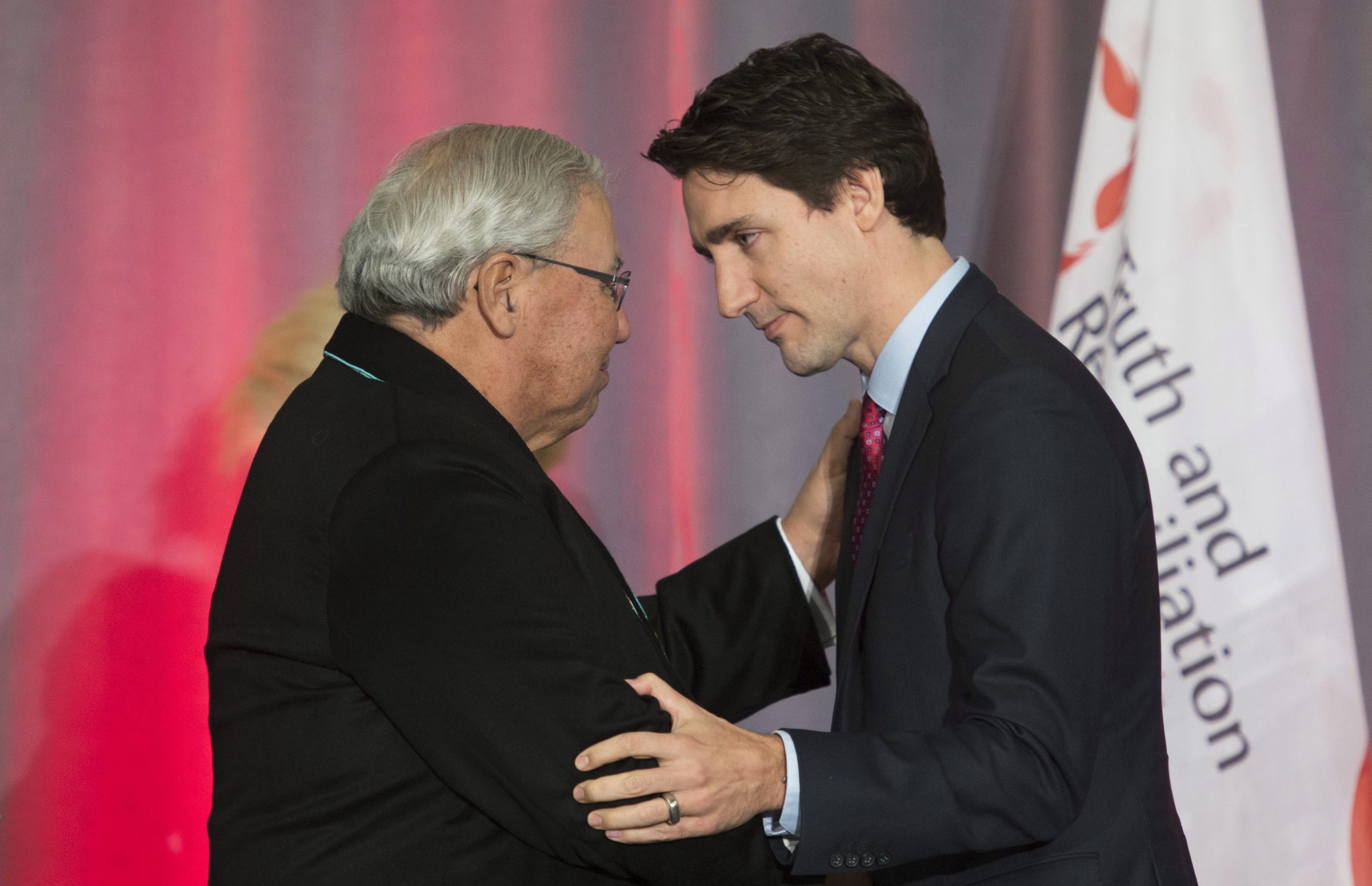
Canadian Prime Minister Justin Trudeau released a statement calling Sinclair a “giant and champion.”
“He listened to residential school survivors, and he made sure Canada heard their stories,” Trudeau said in a statement posted to X, formerly known as Twitter. “With his passing, Canada has lost a giant — a brilliant legal mind, a champion of Indigenous rights, and a trusted leader on our journey of Reconciliation. My thoughts are with the Sinclair family, his friends, his colleagues, and everyone who is grieving today. We will miss him dearly.”

Cathy Merrick, who became the first woman elected as grand chief of the Assembly of Manitoba Chiefs in 2022, died suddenly on Sept. 6 after collapsing outside a Winnipeg courthouse during a press conference.
She had been speaking to reporters about the acquittal of a corrections officer in the death of a First Nations inmate and another case when she collapsed. She died later at a hospital.

Our stories are worth telling. Our stories are worth sharing. Our stories are worth your support. Contribute today to help ICT carry out its critical mission. Sign up for ICT’s free newsletter.

