
D. Sean Rowley
Cherokee Phoenix
KANSAS, Okla. – On a recent afternoon under the shade of trees on a late summer day, Cherokee Nation citizens Rocky and Connie Carroll invited some friends to their home for a cookout.
They shared the bounty of their personal garden, grown in part from heirloom seeds from the Cherokee Nation Seed Bank. In particular, the Carrolls were serving corn, be it on the cob, as hominy, or ground into meal to coat nuggets of catfish caught out of Lake Eucha.
“It was the white eagle (dent corn),” Rocky said. “We got it from the Cherokee heirloom seed bank. We had our garden ready, and so we planted it. We had a good stand, and it was quality that we got. Just about every seed came up, around 80 percent or more.”
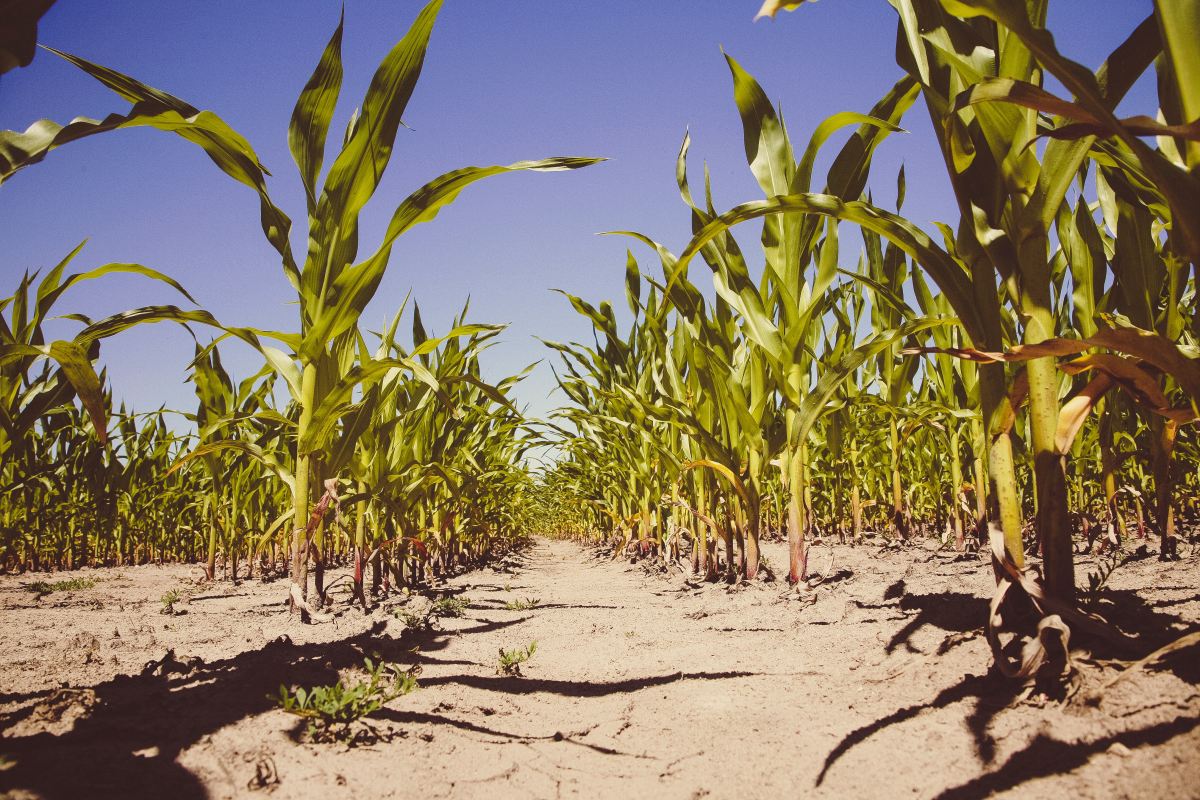
White eagle dent is a variation of blue corn and known for its yields. Stalks can reach 7 feet. The Carrolls’ were about 6 feet. The kernels are usually a mix of blue and white, though some ears can be entirely blue.
“There were two ears to every stalk, and kept them from cross pollinating,” Rocky said. “They did real good with that. We got some good consistent colors. We were glad for that.”
Maintaining genetic integrity is a top priority for the seed bank. Though the bank may have more seeds on hand for a given year, they grow into plants with rare traits that are usually not available off the shelf. On its website, the bank explains that the mature plants “represent centuries of Cherokee cultural/agricultural history.”
Cross pollination is always a concern. To preserve the heirloom genetics, the Cherokee Nation Seed Bank asks seed recipients to be diligent about following directions in the planting guides. When selecting their two seed varieties, recipients are limited to one variation of gourds or corn because of hybridization concerns.
“I like to plant sunflowers around my (corn),” Rocky said. “The bees and butterflies come in and go to the flowers there. It helps me establish a more bountiful crop.”
The Carrolls also plant other items that are traditional, if not heirloom. The late summer meal included “whippoorwill peas,” also called cowpeas, from the garden.
Cherokee heirloom gardeners might need to pay a bit of extra attention, which is really sound counsel for anyone planting a garden or landscape plants.
“Any good garden needs somebody that will tend it,” Rocky said. “Gardens don’t just happen. You have to tend them. We had a successful garden in that sense.”
To obtain heirloom seeds, gardeners must log in to the Gadugi Portal – and create an account if they don’t already have one. The seed bank form must be filled out and submitted, and only one application per Cherokee Nation citizen will be accepted. Forms go online each year in late February.
Though seeds from the Cherokee Nation bank may need a little extra attention, that does not mean the plants will perish if a gardener turns her back to get the hose. For Cherokees in past times to rely on such crops, the plants themselves had to have some reliability of their own.
“Our native foods, they know how to survive in the same territory we lived in,” Rocky said. “But like I said, if you want a good garden, be willing to work it. You’ll be rewarded good and have plenty to eat. You’ll have some to share with your neighbors and friends.”
For information, call the Cherokee Nation Seed Bank at 918-453-5336 or email seedbank@cherokee.org.