Sandra Hale Schulman
Special to ICT
A Cherokee Nation citizen with more than 20 years experience in the film and music industry has been tapped to head the tribe’s film office and handle the multimillion-dollar program offering incentives for productions.
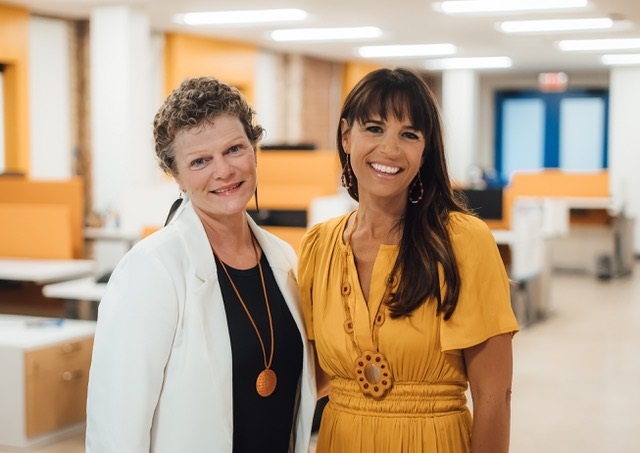
Tava Maloy Sofsky will head the Cherokee Nation Film Office and will also serve as the tribe’s film commissioner, overseeing initiatives that include the Cherokee Film Incentive, which pays up to $1 million annually for production expenses incurred within the boundaries of the Cherokee Nation.
SUPPORT INDIGENOUS JOURNALISM. CONTRIBUTE TODAY.
“There is no individual more passionate about and more experienced in growing this industry here in Oklahoma,” Jennifer Loren, director of the Cherokee Nation Film and Original Content, told ICT.
“Not only will she focus on growing the industry, Tava will now be able to use her expertise to push for more diversity and Native representation in the industry, especially for projects coming to film in Oklahoma.”

Sofsky is a former director of the Oklahoma Film + Music Office, where she oversaw the state’s $30 million annual film incentive program and helped expand the state’s top-rated talent, crew base and infrastructure to include four Oklahoma Certified Sound Stages and more than 25 Film-Friendly Certified Communities statewide, tribal officials said.
“It is an honor to be selected for this position working with Jennifer Loren, which leads me to imagine endless possibilities we can accomplish together with our expanding team,” Sofsky said in a statement.
“We are living in unprecedented times when the global motion picture industry is experiencing an increased demand for leading technology and diverse content,” she said. “This, coupled with CNFO’s innovation and vision to create more opportunities for Natives within the industry, is ground-breaking.”
Related stories:
—Tribes open film studios to lure movie, TV producers
—Cherokee filmmaker debuts tale of survival
The Cherokee Nation has been proactive in the film business since launching a tribal film office three years ago. They have assisted with cultural and historical consulting, providing Native casts, crew and support services.
The tribal film office serves as a communications hub for Native film with social media channels and monthly newsletters. The film office has launched workforce and education initiatives, and put more Natives into screenwriters rooms, board rooms and on film sets, officials said.
This year, four film and television projects have used the film incentive and filmed in the Cherokee Nation, with more scheduled this fall and winter.
Beginning March 1, the Cherokee Nation Film Office began accepting applications for the cash rebate incentive fund, which will cover production expenses and wages.
Loren said Sofsky will use her in-depth knowledge of film rebates to ensure it has a maximum positive impact on the economy and workforce in the Cherokee Nation.
“She also has many connections in film and television, which will ensure key industry players know about everything our film office offers,” Loren said. “Tava has worked in soundstages in Los Angeles and brings a wealth of knowledge and ideas to explore as her tribe continues growing its film studio campus in Owasso.”
Sofsky, an Oklahoma native, began her film career in Los Angeles after earning a bachelor’s degree in film and media studies from the University of Oklahoma. She has worked on major motion pictures and established what tribal officials said is an impressive network of filmmakers and talent, including Doug Claybourne, Francis Ford Coppola, Steven Spielberg, Anthony Hopkins, John Travolta and Jennifer Lopez.
She is a Certified Film Commissioner with the Association of Film Commissioners International, and has served as a member of the Creative Oklahoma Advisory Board, the Oklahoma City Community College’s Film Advisory Board, deadCenter’s Education Advisory Committee and the Metro Technology’s Digital Cinema Advisory Board.
“With Tava as Cherokee Nation’s film commissioner, we hope to become more fine-tuned in our growth strategies, but also more innovative as we look toward the future,” Loren said. “We hope bringing her onto our team will help us to reach our goal of becoming a hub for Indigenous storytelling through film and TV. “

Our stories are worth telling. Our stories are worth sharing. Our stories are worth your support. Contribute $5 or $10 today to help ICT (formerly Indian Country Today) carry out its critical mission. Sign up for ICT’s free newsletter.