
This story was originally published by Oklahoma Voice
Brooklyn Porter
Oklahoma Voice
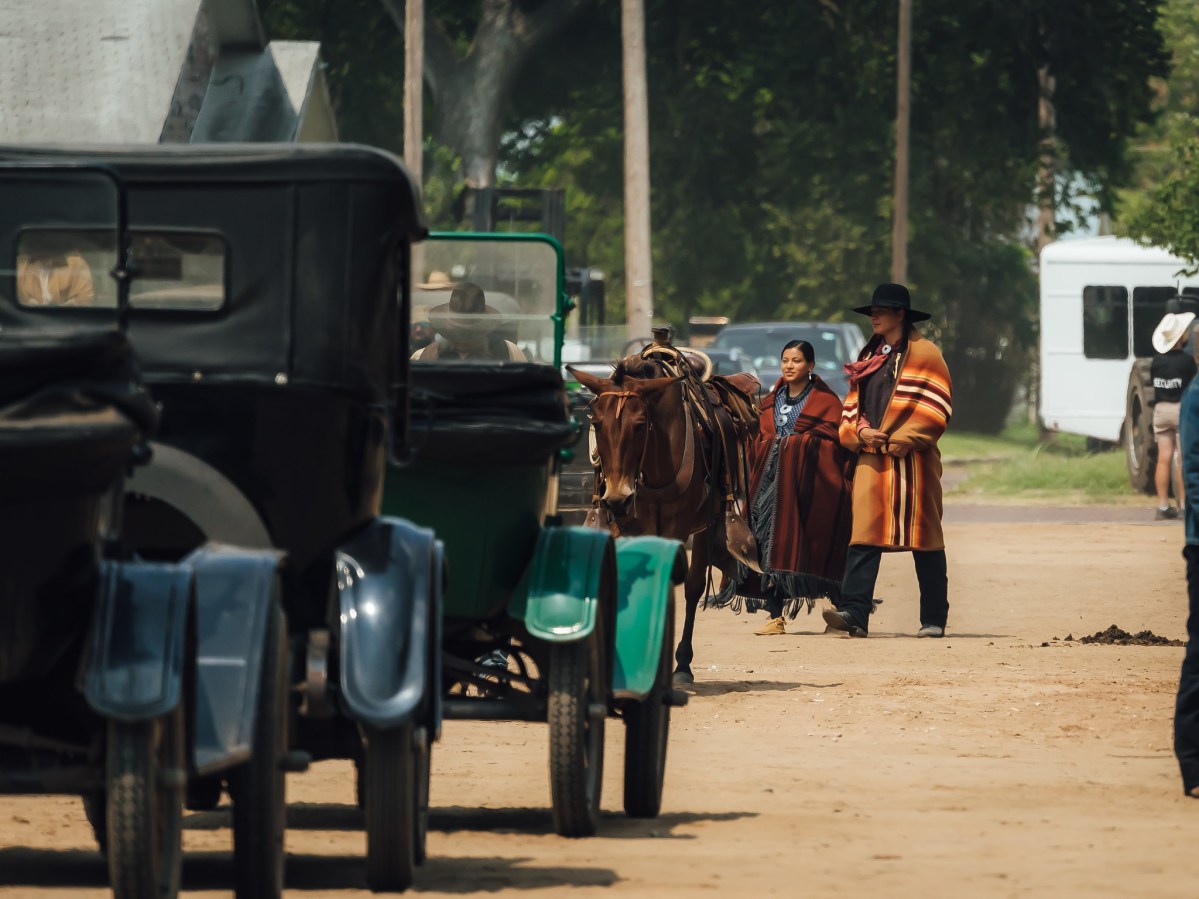
OKLAHOMA CITY — Amid a period of tremendous growth within Oklahoma’s film industry, over three dozen communities have signed onto a state program designed to signify that they’re ready to host productions.
In all, 39 communities and one tribe have completed the requirements of the Oklahoma Film Friendly Community Program, officials said.
Created in 2021 by the Oklahoma Film and Music Office, the free program helps cities and tribes across the state prepare for and attract film productions by providing certification to signify a community’s readiness to host productions. It also provides Oklahoma communities with resources that educate and assist them in preparing for incoming film and television productions, which supporters say can result in economic growth.
“Achieving certification signifies to the film industry a community’s readiness to host productions, which can lead to increased economic impact for local businesses and workforce opportunities for residents,” said Yousef Kazemi, the state film office’s outreach and production manager. “The requirements of our program let film and television productions know that those communities which are certified have systems and a collaborative process in place to best support their business needs while filming on location.”
Required steps include creating of an enforceable permit approved and enforced by the city, designating a film friendly liaison and subcommittee to serve as a first point of contact, and photographing and identifying at least 10 different sites which could potentially be used for filming, Kazemi said.
“Communities need to be equipped with the knowledge and tools necessary to attract and support film and television productions, thereby promoting economic development and cultural enrichment across Oklahoma and ensuring these productions keep coming to Oklahoma,” he said.
Since 2021, when Oklahoma lawmakers increased the cap on a film rebate program from $8 million to $30 million, the industry has “seen tremendous growth,” Kazemi said.
“Ultimately, our programs are about facilitating economic growth, job creation, and cultural enrichment in communities across Oklahoma through the promotion of the film and television industry, and that in itself is highly rewarding,” he said.
Oklahoma ranked sixth in employment growth, fourth in total compensation growth, and ninth in annual compensation per worker growth among the states that have a film incentive, said Jeanette Stanton, director at Oklahoma Film and Music Office.
In 2024, productions taking advantage of the state’s film incentive are estimated to have created 4,173 jobs, she said.
Among the most notable productions filmed in Oklahoma are: “Twisters,” a Hollywood blockbuster about storm chasing; “Reservation Dogs,” which follows Indigenous teens living in rural Oklahoma; “Tulsa King,” a television series that stars Sylvester Stallone; “Killers of the Flower Moon,” an Oscar-nominated movie exploring the murders of members of the Osage Nation tribe and the birth of the FBI; and “Unbreakable Boy,” which tells the story of an autistic child with brittle bone disease.
Tulsa is one of the communities that has achieved the certification.
Since becoming certified, the community has hosted one of its notable productions, “Tulsa King,” said Meg Gould, executive director of Tulsa Film, Music, and Arts Office.
Gould’s office actively builds location packages for incoming productions, has a directory dedicated to different locations people can film at and also has a place where people can register their own site as potential production locale.
She said property owners interested in being considered for future projects can upload photos to the database.
“We’re still seeing a lot of tourism from ‘The Outsiders’ movie,” Gould said. “Now with ‘The Outsiders’ musical we’re getting even more attention. We had ‘Reservation Dogs’, which brought a different type of audience to Tulsa.”
To help communities and tribes reach film friendly status, the state offers workshops designed to help them prepare. The workshops cover topics such as obtaining necessary permits, establishing effective protocols, and understanding the production process.
“Having that film-friendly certification ahead of time is telling productions that we’re camera-ready-communities, we’re able to kind of get your film permits and work through this process,” said Maggie Cunningham, Cherokee Film’s interim film commissioner and senior manager. “We know what this is going to look like already. We’ve been through the training.”
Since becoming accredited, the Cherokee Nation has hosted over 30 productions such as “Osiyo, Voices of the Cherokee People,” “Fancy Dance,” and upcoming “Cottonmouth.”
The city of Edmond has served as a filming location for several productions since becoming certified 2021, said Sarah London, Edmond’s special events coordinator.
“These films bring people and tax dollars while supporting local businesses,” London said. “Edmond has seen an increase in filming. Because we are film friendly certified it helps us get noticed as a filming location, especially for companies that are coming in from out of state.”
Editor’s note: This story was produced through a reporting partnership between Oklahoma Voice and the University of Central Oklahoma’s journalism program.

