
Deusdedit Ruhangariyo
Special to ICT
Around the world: Indigenous flags will be hoisted at the upcoming Women’s World Cup, deforestation in the Brazilian Amazon shrinks under Lula’s presidency, a mental health expert in Australia works to provide care in Indigenous communities, and a Winnipeg landfill closes amid an ongoing MMIW protest.
AUSTRALIA/NEW ZEALAND: Flags fly high for World Cup
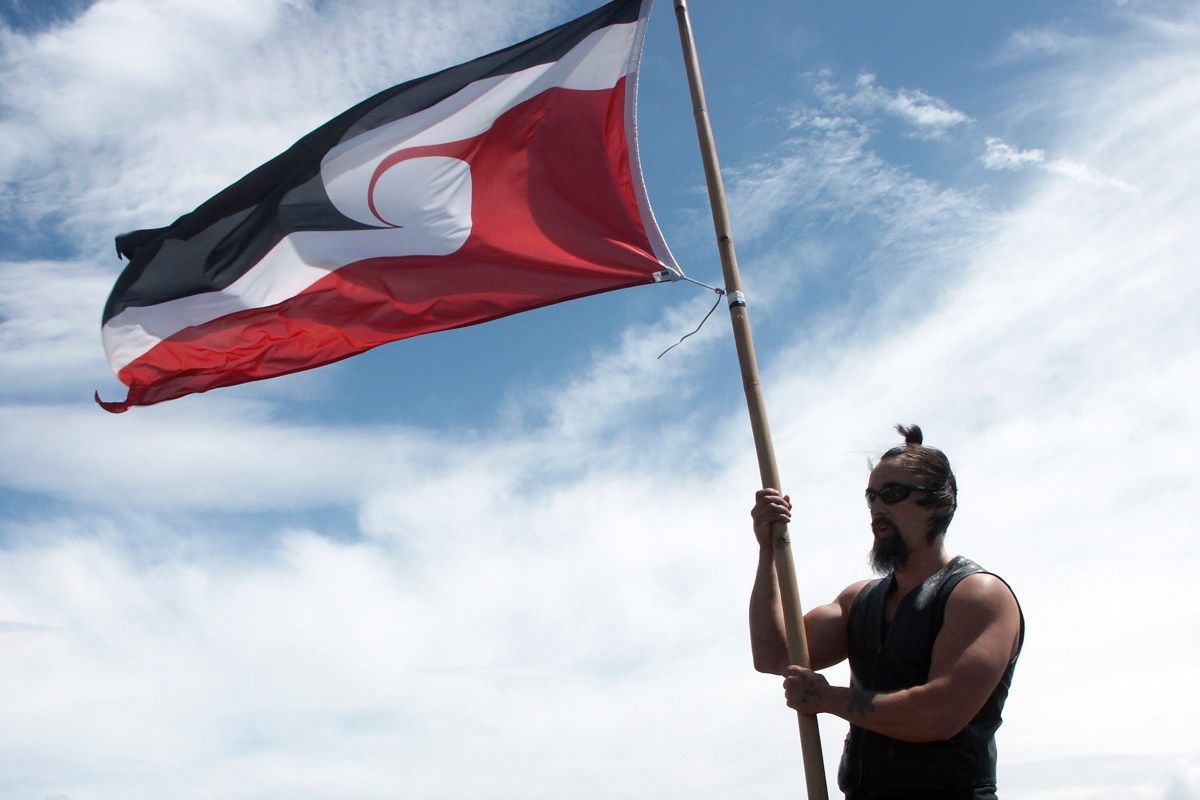
In a celebration of unity and cultural diversity, Indigenous flags including the Māori flag and Australian Aboriginal and Torres Strait Islander flags will be flown throughout the upcoming FIFA Women’s World Cup soccer matches, Te Ao Māori News reported on July 7.
SUPPORT INDIGENOUS JOURNALISM. CONTRIBUTE TODAY.
The Women’s World Cup, hosted by Australia and New Zealand, is set to begin July 20 and run through Aug. 20.
The historic move comes after the Fédération Internationale de Football Association, known as FIFA, approved a request to showcase Indigenous flags throughout the tournament, Te Ao Māori News reported.
New Zealand will feature its national flag along wih the Tino Rangatiratanga flag — named for a Māori term that means “self-determination” or “absolute sovereignty” — that holds deep cultural and political significance for the Māori people of New Zealand.
Additionally, the Australian Aboriginal flag, the Torres Strait Islander flag, and the Australian national flag will be flown at all 35 matches played across the Tasman. The decision, based on a recommendation by the tournament’s all-woman First Nations and Māori cultural advisory panel, aims to foster lasting relationships with First Nations and Māori communities.
The request received support from New Zealand Football, Football Australia, and the respective governments of both countries, Te Ao Māori News reported.
“These significant flags embody a spirit of mutual respect, national identity, and recognition of Indigenous cultures for our hosts,” FIFA President Gianni Infantino said in a statement.
BRAZIL: Deforestation drops sharply under Lula
Deforestation rates in the Brazilian Amazon appear to have dropped significantly since President Luiz Inácio Lula da Silva took office in January, according to data released by the country’s national space research institute, Mongabay reported on July 7.
The institute’s forest monitoring system, known as DETER, shows that about 1,000 square miles of deforestation was detected in the first half of 2023, a decline of about 34 percent from 2022 when more than 1,500 square miles were detected.
It marks the lowest loss of forest since 2019, Mongabay reported.
Lula’s administration has made it a priority to tackle deforestation, restoring funding for environmental law enforcement and conservation programs. Last month, Lula announced an plan to eliminate deforestation by 2030, aligning with Brazil’s commitment to reducing greenhouse gas emissions.
The newly released data suggests a reversal in the alarming trend of increasing deforestation that prevailed during Jair Bolsonaro’s presidency. Under Bolsonaro’s four-year tenure, deforestation in the Amazon surged by 60 percent, reaching levels not seen since the late 2000s.
AUSTRALIA: Mental health expert empowers others
An Aboriginal and South Sea Islander man in Australia is working to bring mental health support to Aboriginal and Torres Strait Islanders in the communities of Townsville and Ayr, National Indigenous Times reported on July 7.
Neville Penny, from the Nywaigi Tribe of Crystal Creek and the Bundjalung people, is leveraging his healthcare background to help Indigenous people navigate the complicated mental health system and over barriers to service.
Penny, an employee of Queensland Health, is a graduate of Technical and Further Education Queensland, a leading vocational education and training institution in Queensland, Australia. TAFE offers a wide range of courses and programs designed to provide practical skills and industry-specific knowledge.
Penny has encountered his own challenges, and understands firsthand the impact that compassion and support can have in transforming lives.
“My mum, Lena Watego, has been in community service work most of her life and this has had a significant influence on my own life,” Penny said, according to National Indigenous Times.
“She opened our family home to Indigenous children, who I have come to know as my brothers and sisters.”
CANADA: Winnipeg landfill closes amid MMIW protests
Officials in Winnipeg, Manitoba, have announced the closure of the Brady Road landfill until further notice in response to ongoing protests, CBC News reported on July 7.
The closure, announced on Twitter on Friday morning, July 7, came after protesters obstructed the landfill’s entrance on Thursday afternoon.
The blockade followed weeks of protests outside the landfill gates over the province’s refusal to support a search for the remains of missing women who are believed to be linked to a serial killer who targeted Indigenous women.
The remains of two First Nations women have been found and protestors believe others could be found at the Brady Road landfill or at the Prairie Green landfill, which is north of Winnipeg.
The city also has announced contingency plans for garbage and recycling collection, and encouraged residents to use alternate disposal sites or use private landfills.
My final thoughts
My final thoughts are in Brazil, where a remarkable display of leadership and commitment to environmental conservation by President Luiz Inácio Lula da Silva has made extraordinary strides in reducing deforestation rates in the Brazilian Amazon. The recent release of data from Brazil’s national space research institute reinforces the success of Lula’s administration.
Since assuming office in January 2023, President Lula has implemented a series of robust policies and initiatives that have yielded tangible results in the preservation of the Amazon rainforest in a record six months.
I would like to challenge other nations of the world to emulate what is happening in Brazil. By prioritizing sustainable practices, investing in alternative livelihoods, and strengthening environmental regulations, governments across the globe can make a significant impact on preserving our planet’s precious ecosystems.

Our stories are worth telling. Our stories are worth sharing. Our stories are worth your support. Contribute $5 or $10 today to help ICT carry out its critical mission. Sign up for ICT’s free newsletter.

