
Deusdedit Ruhangariyo
Special to ICT
Around the world: Groups demand end to Chinese gold mine in African wildlife reserve, the Ahtahkakoop Cree Nation is planning to build an urgent-care center in Saskatoon, and an Indigenous broadcaster has been selected for the first time ever for the Men’s Softball World Cup.
DR CONGO: Groups demand halt to Chinese gold mine
Civil groups are demanding cancellation of the license for a Chinese-owned gold mine operating inside the Okapi Wildlife Reserve in the Democratic Republic of Congo, Mongabay.com reported on Oct. 20.
The groups accuse the government of illegally granting the permit for the company, Kimia Mining, to operate in the reserve, which is also home to nomadic Indigenous groups. They say the operation is depleting forest cover, polluting rivers, and compromising habitat, Mongabay.com reported.
SUPPORT INDIGENOUS JOURNALISM. CONTRIBUTE TODAY.
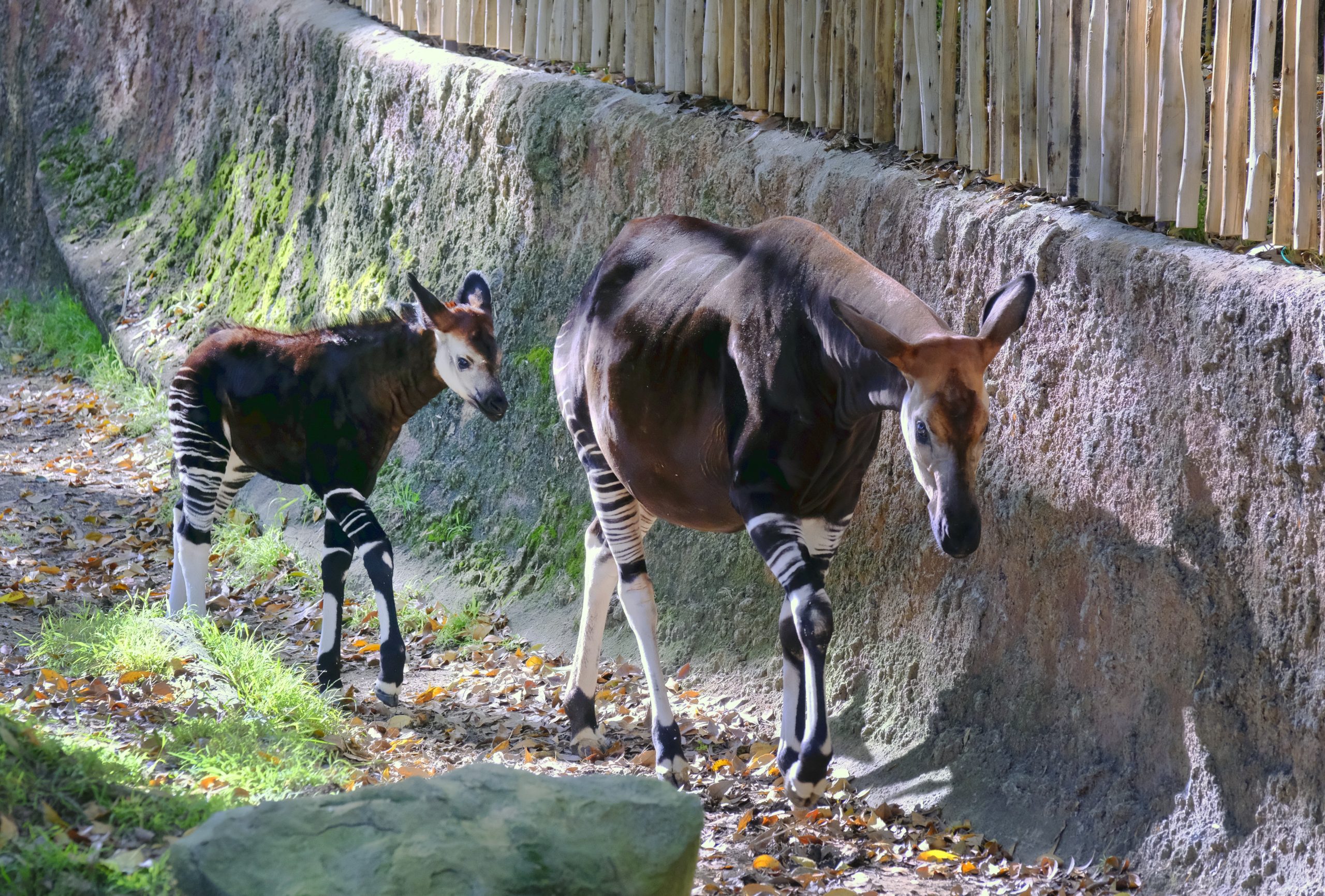
The reserve, a UNESCO World Heritage site, is considered to be in danger. lt covers about 5,300 square miles of the Ituri rainforest and is home to 470 bird and mammal species, including the endangered okapi, a forest giraffe that gives the park its name, and other endangered or threatened animals.
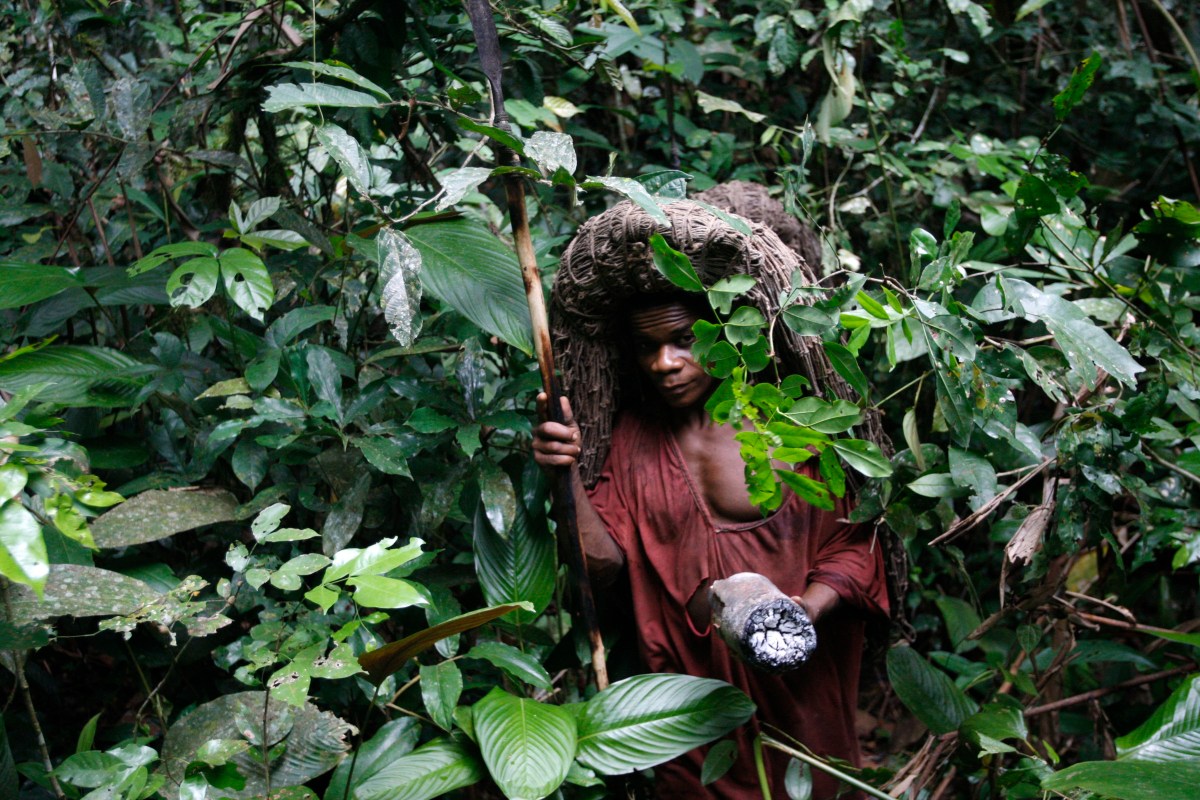
The reserve is also home to Indigenous Efe and Mbuti nomads, who depend on rivers originating in the reserve, said Gabriel Nenungo, coordinator of geologists in Ituri province, according to Mongabay.com.
“We have observed Chinese-managed dredgers in the Ituri River, and open mercury pits can be seen from the air,” Nenungo said, according to Mongabay.com. “The discoloration of the water indicates pollution, and even potential mercury poisoning. The roads that now pierce the forest allow the passage of many vehicles and large trucks. Operations that began along the river now extend into the forest.”
CANADA: First Nation will build, own urgent-care center
The Ahtahkakoop Cree Nation is planning to build its own 24-hour urgent care center in Saskatooon to offer options to residents who need more care than a walk-in clinic but don’t need to travel to a high-level emergency room, CBC News reported on Oct. 17.
Ahtahkakoop Cree Developments — a company owned by the Ahtahkakoop Cree Nation — will build and own the facility, which will be rented out and operated by the health authority for the province of Saskatchewan, according to an agreement signed by the province and the development company.
“I think that people would rather come into an urgent care center or a smaller medi-clinic than going into the hospital,” Saskatchewan Health Minister Paul Merriman told CBC News.
He acknowledged emergency room delays in Saskatoon’s Royal University, St. Paul’s and City hospitals.
“If there’s lower acuity on the injuries, then we want to be able to treat them in a different way and at a different location,” he said, according to CBC News.
NEW ZEALAND: World Cup gets first Indigenous broadcaster
The official broadcasting rights to the Men’s Softball World Cup 2022 have been awarded to Indigenous broadcaster Whakaata Māori, a New Zealand television channel that has helped spark a revival of the Māori language, Te Ao Māori News reported on Oct. 21.
The move marks the first time in the world that an Indigenous broadcaster has been chosen to broadcast the events, officials said.
Whakaata Māori will produce live broadcasts of all 50 games across nine days, from Nov. 26 through Dec. 4, as 192 players from 12 countries participate in the World Softball Baseball Confederation’s World Cup.
The broadcasts will include commentators and experts who speak te reo Māori to blend the language with live games. All games will be available to watch on the MĀORI+ app for those in New Zealand, while all Black Sox games will be live on television as well, Te Ao Māori News reported.
Tony Giles, Softball NZ chief executive, said the partnership with Whakaata Māori means this year’s event will be the most unique in World Cup history.
Coverage begins Saturday, Nov. 26, with the inaugural ceremony from Rosedale Park on Auckland’s North Shore, followed by the opening game between New Zealand and the Czech Republic.
My final thoughts
My final thoughts are in support of the nomadic Indigenous groups in Ituri province of the Democratic Republic of Congo in Central Africa, where the government illegally gave away land for gold mining inside a wildlife reserve. In addition to being home to the endangered okapi, the reserve is the ancestral home of the Indigenous people of the region. The government should heed the voice of civil society organizations that are demanding cancellation of the mining license. I urge governments the world over to put their peoples’ welfare above everything else.
Global Indigenous is a weekly news roundup published every Wednesday by ICT (formerly Indian Country Today) with some of the key stories about Indigenous peoples around the world.

Our stories are worth telling. Our stories are worth sharing. Our stories are worth your support. Contribute $5 or $10 today to help ICT carry out its critical mission. Sign up for ICT’s free newsletter.
