
Deusdedit Ruhangariyo
Special to ICT
Around the world: Indigenous youths in the Amazon are being lured by illegal mining, Indigenous voters in Quebec call for better access to elections, and Australian women are working on a national database of traditional place names
BRAZIL: Youths lured by illegal mining in the Amazon
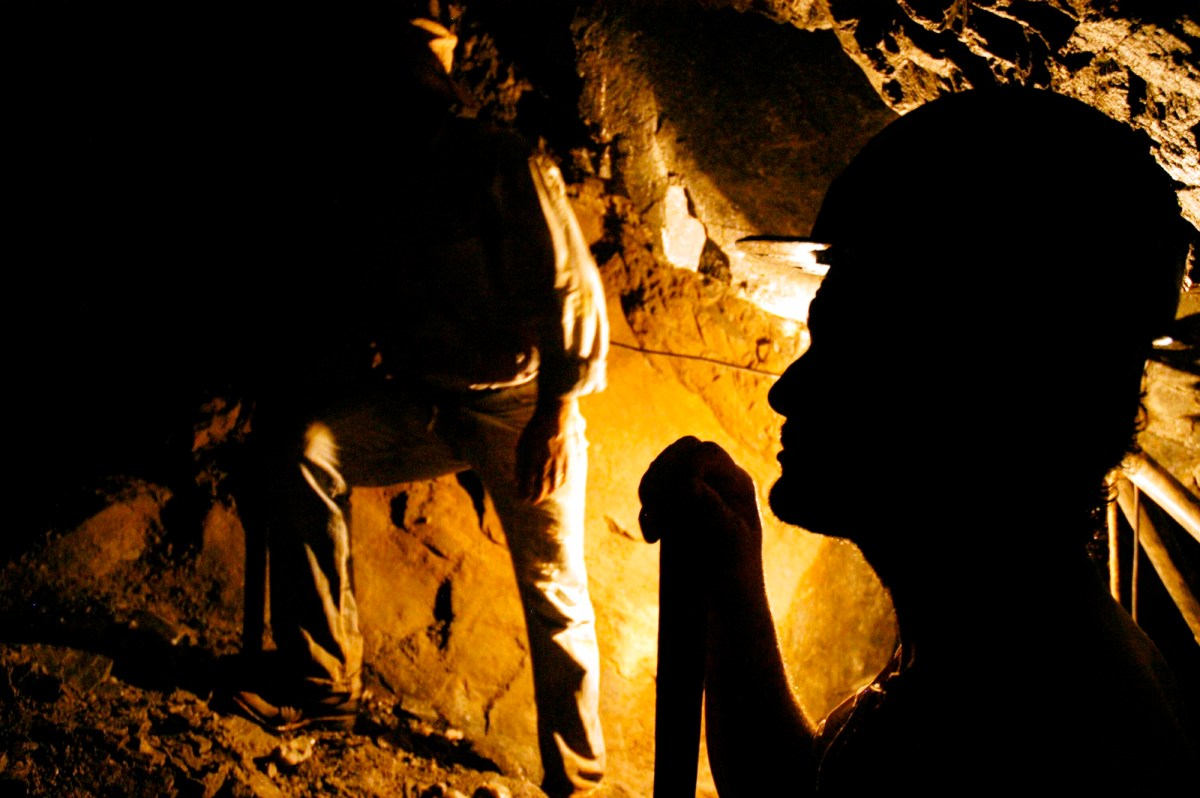
A growing number of Indigenous young people in Brazil’s Yanomami Indigenous Territory are turning to illegal gold mining after being lured by promises of small fortunes and a new lifestyle, Mongabay.com reported Nov. 30.
SUPPORT INDIGENOUS JOURNALISM. CONTRIBUTE TODAY.
The youths are turning away from their responsibilities to protect their ancestral forest largely because of a lack of economic opportunities and disintegration of traditional society, said Mauricio Yek’wana, one of the directors of the Hutukara Yanomami Association, an Indigenous organization based in the Roraima state capital, Boa Vista.
“Before, illegal miners only focused on the leaders, but in the last 10 years, they started preying on the youth, easier to bait into working in the mines,” Mauricio said, according to Mongabay.com.
About 20,000 illegal miners are believed to be working in the Indigenous territory, according to the Federal Public Ministry.
“Illegal mining has destroyed everything,” said Julio Yek’wana, one of the community’s leaders in Roraima, according to Mongabay.com. “Our river has become muddy and contaminated. We can’t fish anymore, and the animals have fled far away from the noise of the generators and machines.”
CANADA: Quebec fails Indigenous voters, candidates say
Two former political candidates are calling on Quebec to improve the election system, saying the province is failing Indigenous and northern voters by making it harder for them to cast ballots, CBC News reported on Dec. 1.
Maïtée Labrecque-Saganash and Tunu Napartuk said low voter turnout in Indigenous communities is the result of systemic barriers built into the elections in the province, and not voter apathy, CBC News reported.
“These [barriers] support a false narrative that we don’t care about politics, but the reality is … a lot of people were turned back at the polls,” said Labrecque-Saganash, who ran for Québec Solidaire and lives in the Cree community of Waswanipi, according to CBC News.
Labrecque-Saganash and Napartuk ran in the northern Quebec riding of Ungava and came in second and third, respectively. Denis Lamothe, from the ruling Coalition Avenir Québec, was reelected on Oct. 3 for a second term with 36 percent of the vote.
The provincial voter turnout was 66 percent, though voter turnout in Ungava was just above 30 percent, the lowest in the province by far, officials said.
A few days after the election, stories emerged from the Cree communities of voters unable to cast their ballot for a variety of reasons, despite having voted successfully in past provincial elections. There were stories of voter cards arriving late or not all in Nunavik.
“Quebec was the last province to give voting rights to Indigenous people in 1969,” Labrecque-Saganash said. “To see that it’s still so hard for us to cast a ballot … to me is very telling.”
AUSTRALIA: Work to establish database of traditional place names
A group of Indigenous women is working to create a national database of First Nations place names to help the Australian postal service include those names on mailing addresses, the National Indigenous Times reported on Dec. 2.
The Australia Post agreed to update its guidelines to include traditional names after receiving a petition in 2020 from Rachael McPhail, a Gomeroi woman and social worker.
After her Aus Post campaign, however, McPhail said she noticed how inaccurate some resources were regarding place names.
“It kind of became apparent that the nationwide resource that we had, which is the AITSIS map, that it’s not accurate,” she said, according to National Indigenous Times. “”And it wasn’t created in collaboration with elders and community leaders.”
McPhail is now working with Gunai poet Kirli Saunders, Wuthathi and Meriam woman Tamina Pitt, and activist Kaz McGrath to create a national database. They want the database to offer people an opportunity to identify the First Nations Traditional Owners of the land on which they live.
After a two-year campaign, they are now working on getting funding through GoFundMe to establish a non-profit to carry out their work.
My final thoughts
My final thoughts go to Quebec, where as in many other places and countries, Indigenous people remain disenfranchised. It is a shame that the so-called democracy, meant to give everyone a voice, is often used to silence peoples’ voices.
But for those Indigenous people in Quebec, I say to you, “You are not alone, but soon and very soon, things will change.” We just need to remain focused and keep pushing. I applaud the Indigenous leaders in Quebec for the effort.
The total freedom of all Indigenous peoples the world over may be delayed, but it will certainly arrive one day. Let us continue playing our part.
Global Indigenous is a weekly news roundup published every Wednesday by ICT (formerly Indian Country Today) with some of the key stories about Indigenous peoples around the world.

Our stories are worth telling. Our stories are worth sharing. Our stories are worth your support. Contribute $5 or $10 today to help ICT carry out its critical mission. Sign up for ICT’s free newsletter.
