
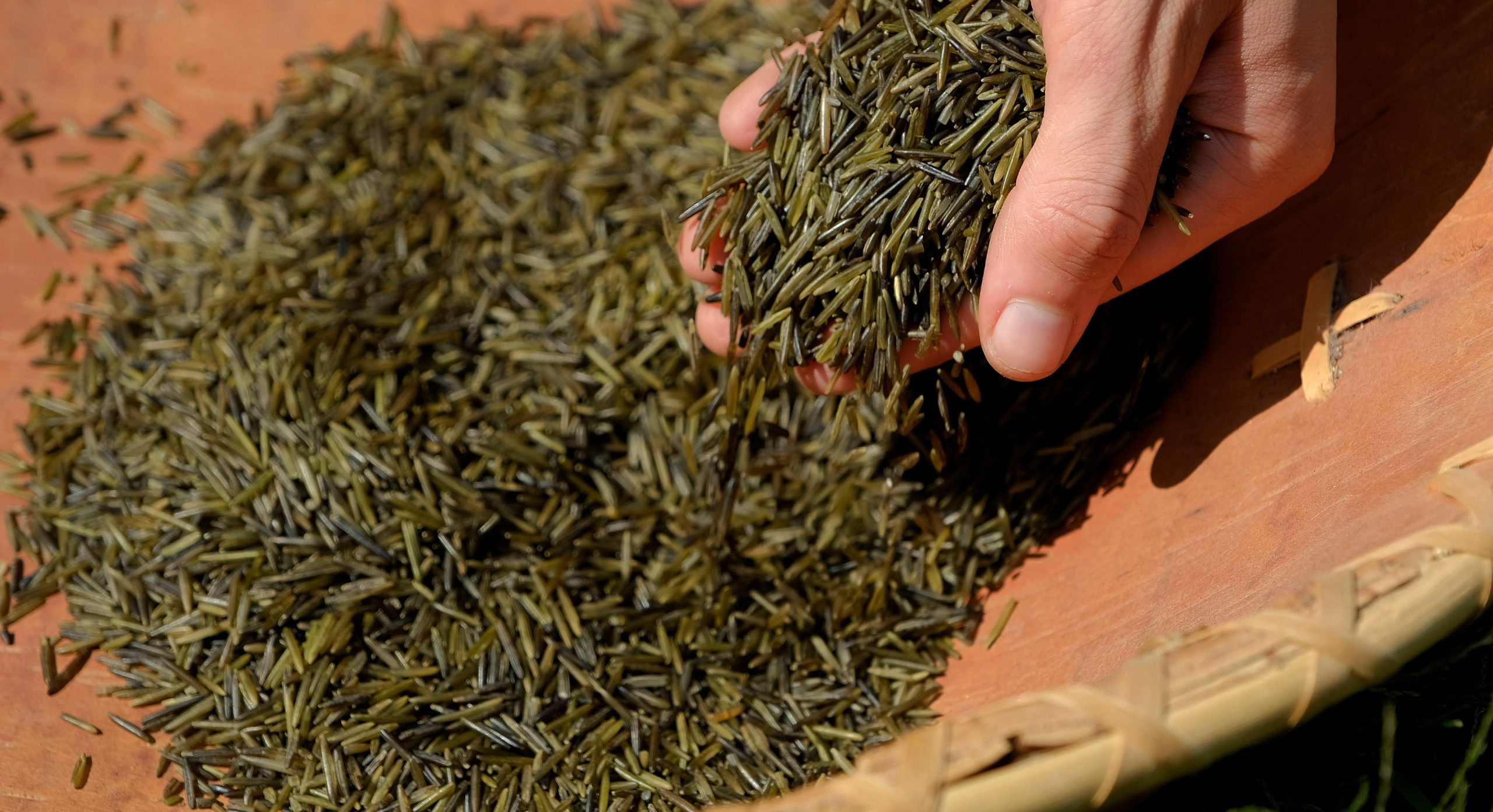
Wild rice is a sacred food for the Ojibwe people in Minnesota.
But the changing climate, invasive species, and pollution all continue to threaten the plant.
The survival of wild rice, or manoomin (good seed) in Ojibwe, is now tied to the harvest and processing skills of the nation’s next generation.
“Our people, the Anishinaabe people, used to live on the East Coast and someone was given a vision to travel west to where the food grows on the water. And so we did. And we came out here to this manoomin,” Dave Bismarck, Leech Lake Band of Ojibwe, said.
For centuries Indigenous people have used manoomin to keep starvation at bay during harsh winters.
(Related: Ojibwe harvest sacred, climate-imperiled wild rice)
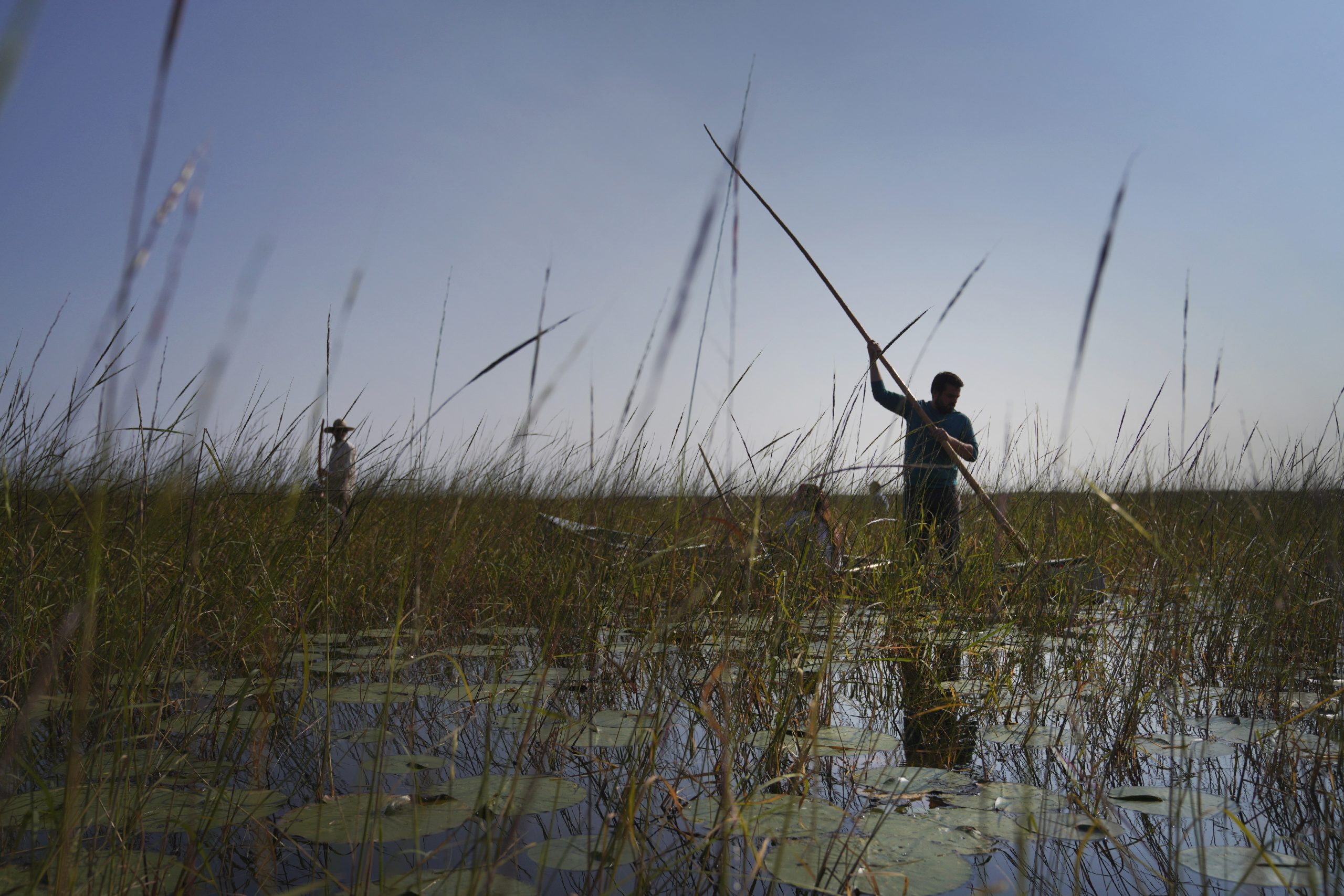
The ricing season can last anywhere from a week to a month from August to September, depending on the weather.
This year has been filled with rough conditions that could potentially change the face of wild rice harvesting.
Today Native families like Ryan White’s unload hundreds of pounds of wild rice from their canoes to keep their finances above water.
“In the past, my grandfather, they had to come out here and get their winter food supply. And now I need to come out here because I need to keep a roof over my head and the bills paid,” he said.

Our stories are worth telling. Our stories are worth sharing. Our stories are worth your support. Contribute $5 or $10 today to help ICT carry out its critical mission. Sign up for ICT’s free newsletter.
