Pauly Denetclaw
ICT
During her campaign for Oklahoma’s state House District 71, Amanda Clinton, Cherokee, had a dream that she won with 80 percent of the votes. Later that day, she jokingly told her campaign staff about the dream.
“I thought, ‘This is absurd,’” Clinton told ICT.
She went on to win the Democratic primary by 51.3 percent — beating three other Democratic candidates and avoiding a runoff, but not by 80 percent.
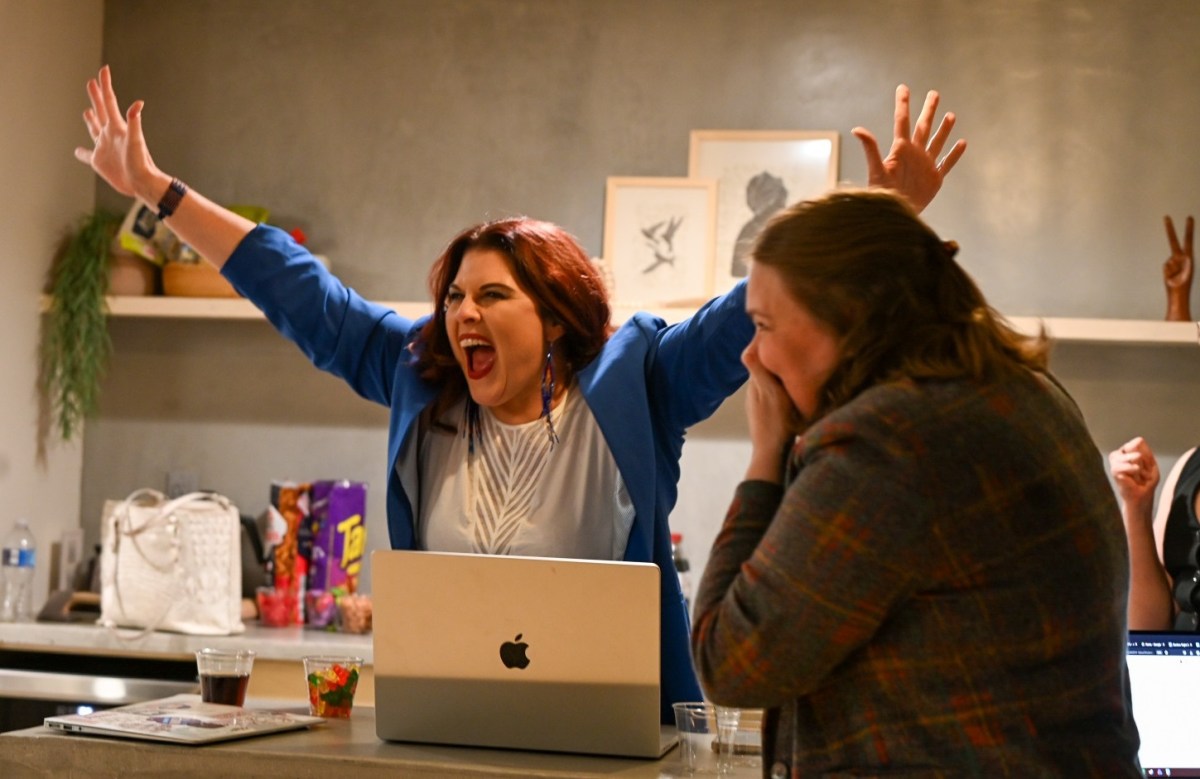
On Tuesday, June 10, however, in the general election — cue drum roll — Clinton won with nearly 85 percent of the vote, the widest margin for any Indigenous candidate who’s run for the Tulsa-area district. In the process, she became the third Native American woman to represent the 71st district.
The Democratic National Committee celebrated the win, along with several other wins by Democrats across the country.
“In 2025, Democrats are overperforming and winning elections across the country, and [June 10] was no exception,” Ken Martin, Democratic National Committee chair, said in a press release. “While Republicans rubber stamp Trump’s deeply unpopular agenda that sells out the working class to enrich billionaires, Democrats are fighting on behalf of voters to create better opportunities in their communities. That’s exactly why Democrats or Democratic-aligned candidates have won or overperformed in a whopping 33 key elections this year.”
Oklahoma’s 71st House district covers parts of Tulsa, which is located on Muscogee (Creek) Nation land. The district was once a moderate Republican stronghold but has been held by a Democrat since 2018.
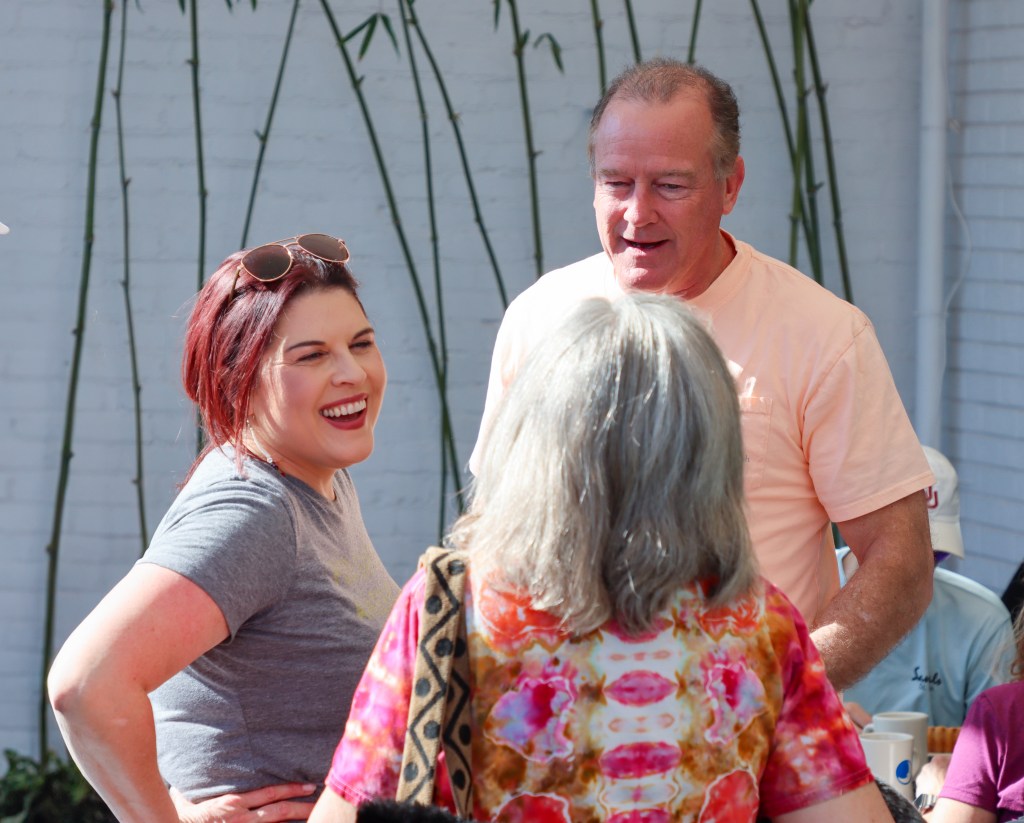
The seat came open after incumbent Democrat Amanda Swope, Muscogee, was hired as the City of Tulsa’s new director of Tribal Policy & Partnerships in December, triggering the special election. Republican politician Katie Henke, Cherokee, also held the seat from 2012 to 2018.
The last candidate to win by such a high margin was Republican John Sullivan in the 2000 primary election, when he garnered 84.75 percent of the votes — nearly identical to Clinton’s margin. He ran unopposed in the general election and did not appear on the ballot.
Clinton’s campaign this year sent out targeted mailers supporting tribal sovereignty, and spoke to other issues that also mattered to her constituents, including adequate healthcare, improving Oklahoma’s education system and working across the aisle.
“I’m really excited just to hopefully advance tribal sovereignty to the degree that I can and find just different ways that we can build stronger partnerships between the state of Oklahoma and our tribes,” Clinton told ICT. “We really have to get back focused on community, taking care of one another, and just providing those basic services. It’s not too much to ask that every child in Oklahoma is guaranteed quality healthcare and quality education. I mean, that’s the bare minimum.”
In a state that is overwhelmingly conservative, Clinton wondered if it was worth running for office. She questioned whether she would be able to make a difference with Republicans holding an 81-20 majority in the 101-member state House.
“I didn’t decide right away. I sat on it for three or four weeks. I talked to current elected officials, previous elected officials, lobbyists, advocates, everybody who works in and around the Capitol about, ‘Can I even make a difference with 20 Democrats and 80 Republicans?’” Clinton asked. “It wasn’t until I had that satisfied as a ‘yes’ that I decided to do it.”
She said it was also important to her to continue the legacy of Indigenous women leadership for House District 71.
“Honestly, I thought I was the best qualified for the job. I didn’t want to lose the Native representation or the female representation,” she said. “So I thought, ‘Well, I can’t let that one fly past the plate’. I decided to throw my hat in the ring.”
Looking toward the future, Clinton said she wants to continue building community and relationships with her constituents and colleagues in the state House — regardless of party affiliation. Clinton’s campaign values were founded on community building and she hopes to continue that at the State Capitol.
“I know that we have a governor that is very hostile toward tribes, and that has to come down, that heated rhetoric has to come down,” she said. “I’m just here to pursue, hopefully, better relationships, to educate my colleagues about what tribal sovereignty means. Our tribes are our most overlooked, least appreciated asset in the state.”
Clinton is a lifelong Oklahoma resident and spent much of that time working for the Cherokee Nation. She is an alumna of Oklahoma State University. In the past, she’s been a journalist, public relations specialist, small business owner, and worked on the political campaign for Tulsa’s current mayor, Monroe Nichols IV.
Nichols endorsed Clinton and encouraged her to run for office.
Clinton was set to be sworn in on Wednesday, June 18, at the Oklahoma State Capitol in Oklahoma City. Her term will end in 2026.