
Sandra Hale Schulman
Special to ICT
America. It is all Native land.
There are hundreds of tribes from the Atlantic to the Pacific to the Gulf of Mexico to Alaska. Each region, and reservation, holds natural wonders — vast deserts, soaring mountains, lush forests, seas of grass. Native tourism, with visits to places Indigenous people still live and preserve and hold sacred, is growing every year.
Here are some top Indigenous sights to see by region. Many have national parks and monuments, reservations, museums, pueblos, in addition to casino resorts and golf courses. And food. Don’t forget the food.
EAST COAST
An award-winning chef in Rhode Island, Sherry Pocknett, became the first Indigenous woman to win a prestigious James Beard Award as Best Chef in the Northeast. She is now working to open a new restaurant in Preston, Connecticut, called Sly Fox Den. The menu will include venison, rabbit, quahogs, local fish, and foraged herbs, all Mashpee Wampanoag recipes.
The Shinnecock have been living on Long Island, New York, for more than 13,000 years, receiving hard-won federal recognition in 2010. At some of the most scenic, fragile, and valuable real estate in the country on the south fork, they are expert fisherman, hunters, and oyster farmers, as the reservation, known as Shinnecock Village, is right on Shinnecock Bay. The location includes preserved wetlands, so development is limited.
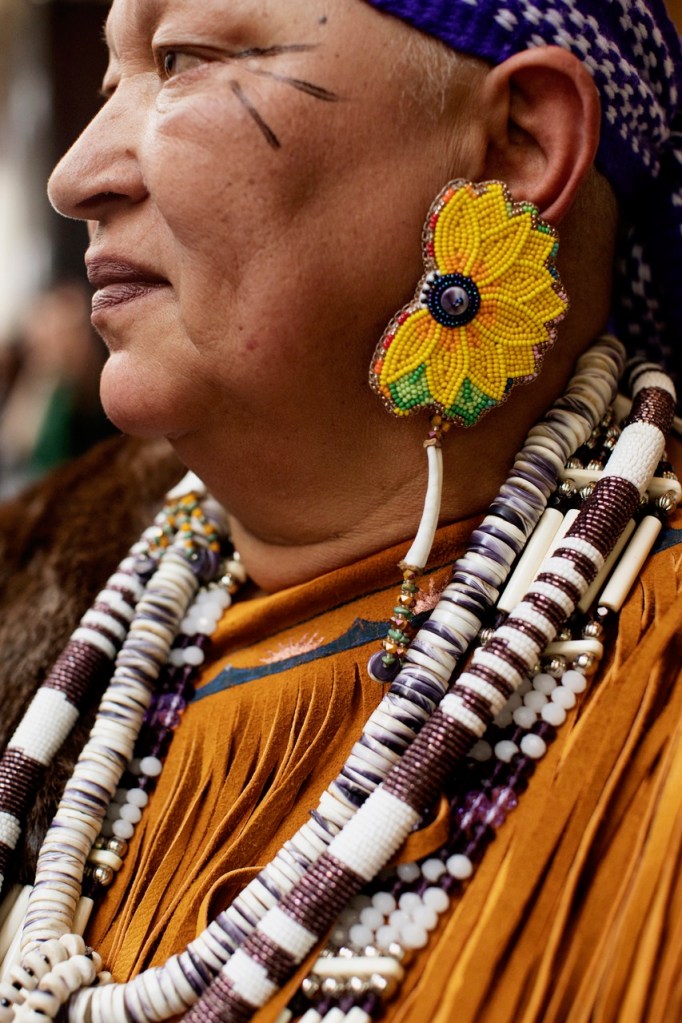
The tribe has a small museum and holds an annual fall powwow with Native and country music performers, dancers, and foods such as local clam chowder, oysters and venison. Their best-known craft is wampum jewelry, made from the hard white-and-purple shells of the Northern Quahog, a clam found along the New England coast.
In Cherokee, North Carolina, the Eastern Band of Cherokee Indian Reservation is officially known as the Qualla Boundary. The 56,600-acre area borders the lush Great Smoky Mountains National Park with abundant trout-filled rivers, thick forests, black bears, and herds of elk.
The main attractions include Oconaluftee Indian Village, a replica of a traditional Cherokee village with seasonal recreations of what life was like centuries ago.
At the newly refurbished Museum of the Cherokee People, voted a Top Ten Best Native American Experience by USA TODAY, there are immersive historical displays of the tribe’s evolution and rotating exhibits by Cherokee artists. Outside is a towering 22-foot-tall wooden statue of Sequoyah, the creator of the Cherokee syllabary.
A must-see is the outdoor drama. “Unto These Hills.” a seasonal live play in an amphitheater surrounded by towering pine trees that pulses with heart-wrenching action, music, dance, and triumph. Debuting July 1, 1950, the outdoor drama tells the history of Cherokee Indians from first contact with Europeans through the years following the infamous Trail of Tears.

In Eastern Virginia on the Indigenous homelands of the Pocomoke and Occohannock people, Chincoteague National Wildlife Refuge protects beach, dune, marsh, and maritime forest habitats. Established in 1943 to protect migratory birds, the refuge is the home of cultural treasures Assateague Lighthouse and the world-famous Chincoteague ponies that frolic on the beach.
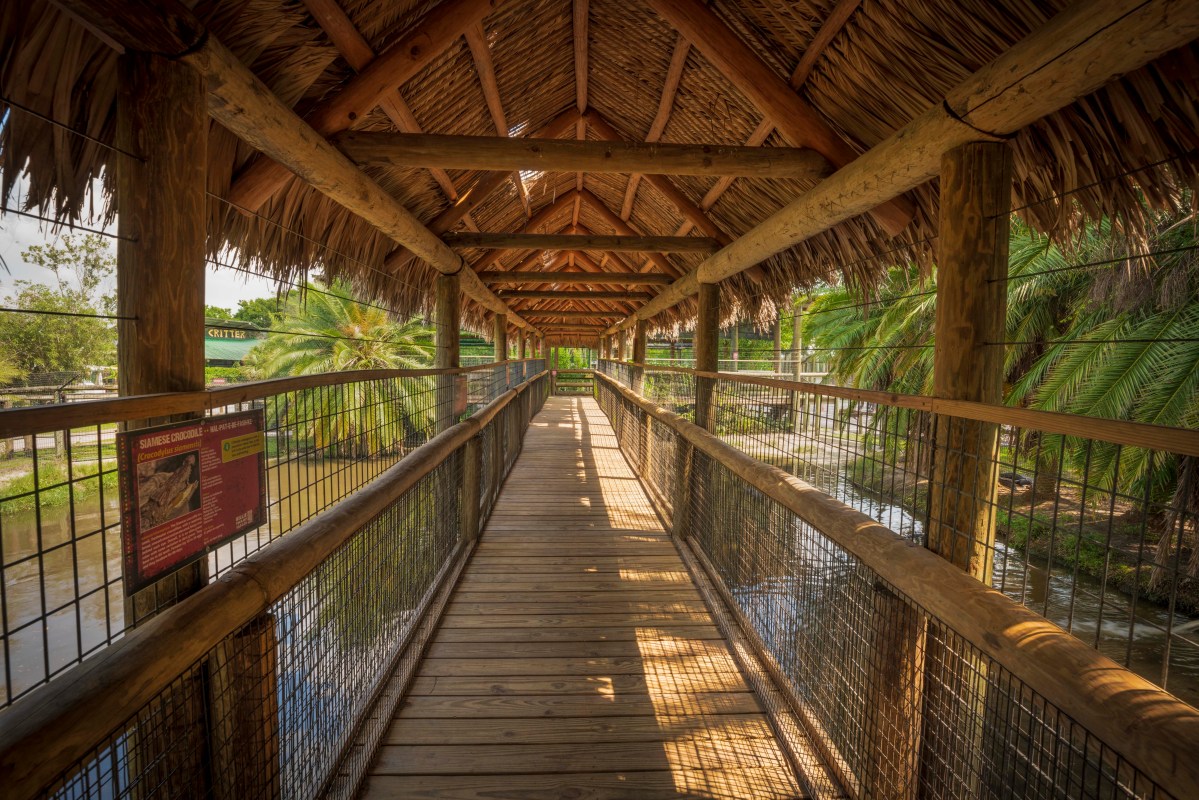
Head south, way south, to the Seminole Ah-Tah-Thi-Ki Museum, deep in the swampy heart of the Florida Everglades on the Big Cypress Seminole Indian Reservation. Home to historical newspapers, manuscripts, patchwork clothing, canoes, baskets, dolls, military items and taxidermy, there are rotating exhibits by contemporary Seminole artists and notable tribal members. A current show features all the Miss Seminole winners, and there is a film of the colorful tribe’s history. It also offers a mile-long boardwalk to see native plants and critters – but watch for snakes and alligators.
The ambitious tribe bought an international company, the Hard Rock brand of cafes, hotels and casinos, with headquarters based in Hollywood, Florida. They built the first billion-dollar Guitar Hotel that soars 40 stories high with laser guitar “strings” that shoot 200 feet into the air. The glitzy interior pays homage to the tribe with wall panel histories, memorabilia exhibits of clothing from successful Native musicians.

The tribe also hosts a blowout annual powwow, craft exhibits, concert and film festival every January attended by top Native actors like Wes Studi, Graham Greene, Gene Brave Rock, and Jessica Matten. More Guitar Hotels are planned; the second one will be 660 feet high in Las Vegas, and is set to open in 2027.
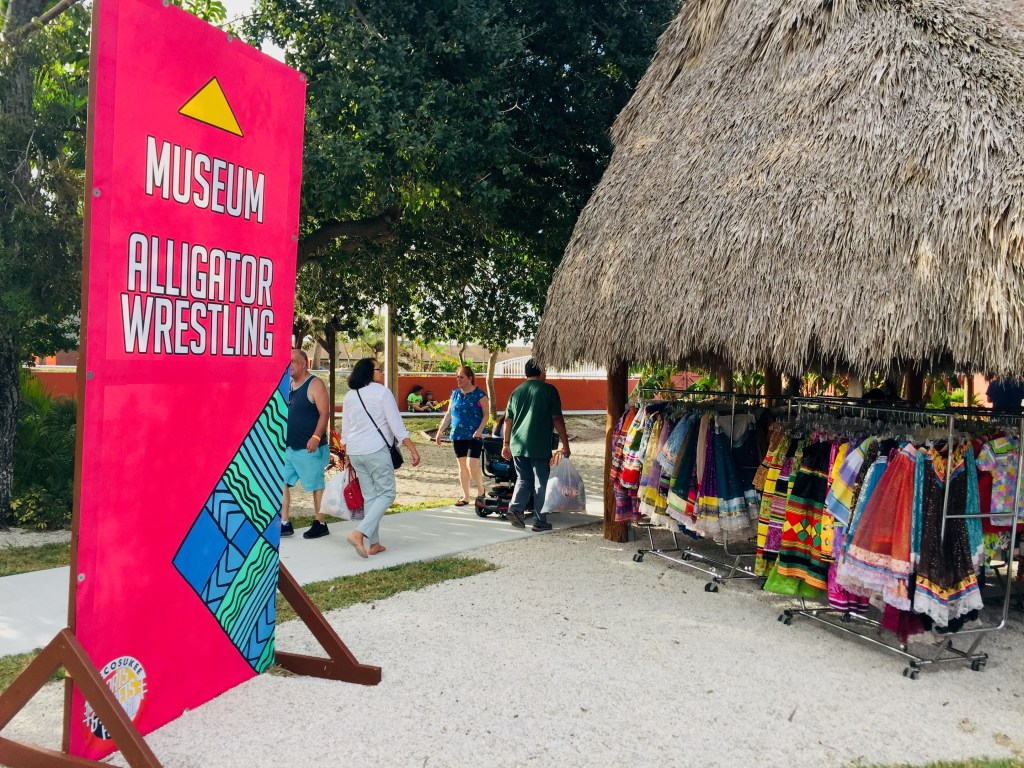
Head south again for the Miccosukee Reservation and Village. The tribe’s Indian Village features alligator wrestling demonstrations, a museum, gift shop, general store, hotel and casino. Wrestling ‘gators was a form of survival, a hunting technique used by the Miccosukee when they first inhabited the swampy Everglades. Today, they educate the public about the powerful reptiles unique to this ecosystem, as well as conservation efforts. Opened in 1983, the Indian Village Museum preserves culture through historical documents, archival photographs, and original artifacts.
CENTRAL AND SOUTHWEST
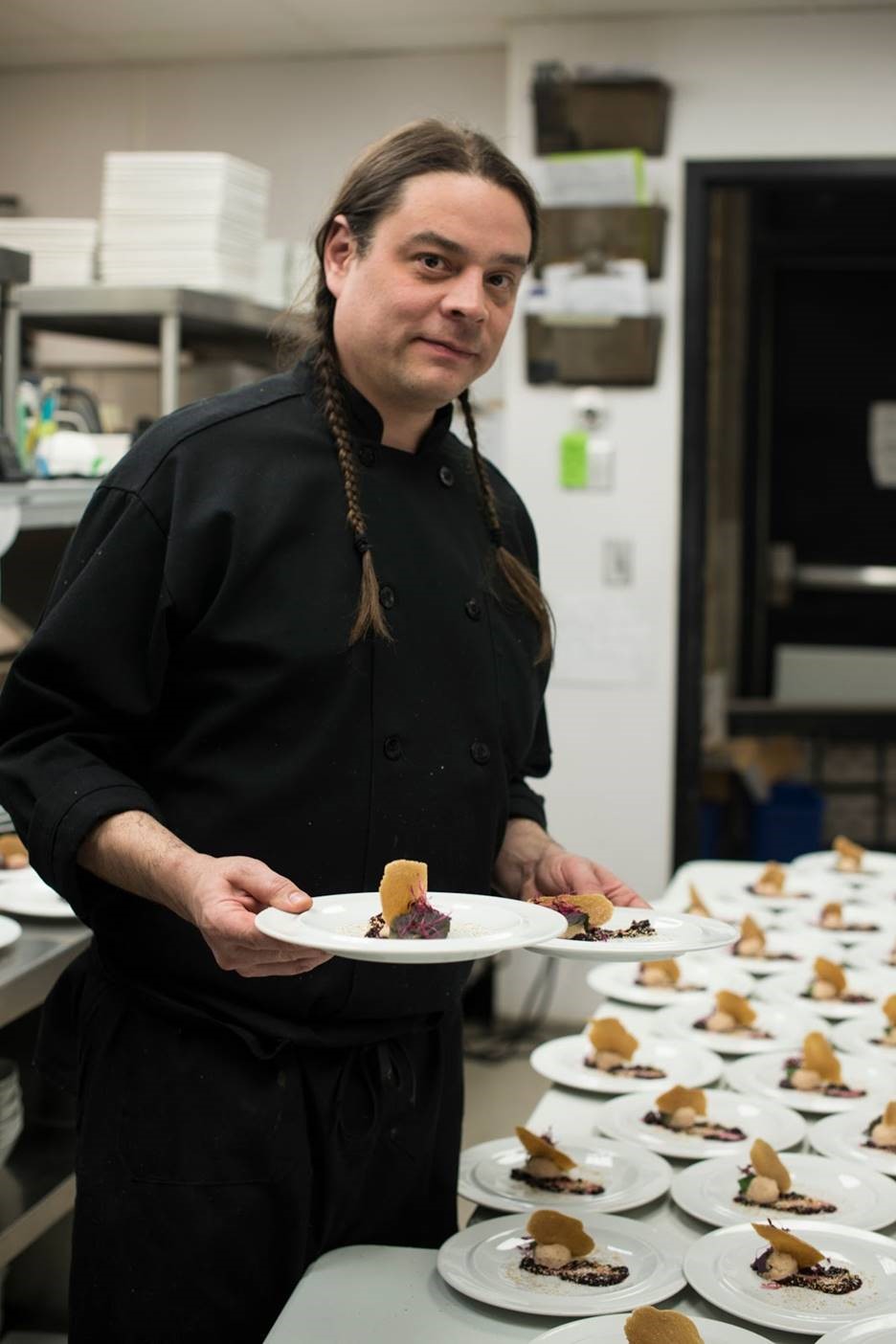
In Minneapolis, Owamni restaurant is a full-service Indigenous restaurant created by The Sioux Chef, Sean Sherman, an award-winning Oglala Lakota chef, educator, author, and activist. The restaurant opened in 2021 for the purpose of job creation (featuring a majority Native staff) and showcasing North American Indigenous foods and culture.
Sherman runs the Indigenous Food Lab Market, a kitchen and retail space that offers high-quality Indigenous foods to the community.
He also has a new book out this fall, “Turtle Island: Foods and Traditions of the Indigenous Peoples of North America,” that uncovers the stories behind the foods with 150 recipes that link the environment, traditions, and histories of Indigenous peoples.
Over on Franklin Street, the Minneapolis American Indian Center hosts The Gatherings Cafe, with healthy meals made using Indigenous ingredients and knowledge. Woodland Indian Craft Shop houses a selection of handmade crafts created by local artists. The shop has been a staple of the Minneapolis American Indian Center for more than four decades.
In Ohio, the Hopewell Culture National Historical Park commemorates the Hopewell earthworks and burial mounds.
Down in New Mexico, a must-see in Albuquerque is the Indian Pueblo Cultural Center, which features exhibits, murals, a café and regular events. A permanent exhibition, “We Are of This Place: The Pueblo Story,” shows the Pueblo people’s legacy of resilience through their own words and voices.
The center houses more than 20 murals by Pueblo artists with works that convey the role of the seasons, dance, harvest, agriculture, and animals in Pueblo life. Visitors can also dine at the Indian Pueblo Kitchen, an innovative teaching kitchen and restaurant. (Try the elk chili with jalapeño cornbread and a Zia ginger ale with red chile and lime.) After lunch, shop at the Indian Pueblo Store for traditional and contemporary jewelry, pottery, rugs, and skincare.
In Arizona, Phoenix is home to the Heard Museum, whose annual Indian Fair & Market is a must on the arts circuit, offers a stellar gift shop, book store and café.
A new restaurant/bar, The Frybread Lounge, opened in August 2024 as the first and only Indigenous-owned restaurant in upscale Old Town Scottsdale, Arizona. It’s designed like a casual diner with a counter, bar, and lots of tables. Headed up by Darryl Montana, O’odham, the tasty menu items include the Rez charcuterie board with Indigenous meats, and the Three Sisters salad.
If you’re flying through Denver, the airport’s Concourse A features Tocabe — the only Native American-owned restaurant in Denver specializing in Native cuisine. Get it to go, and try the Indian taco, bison ribs, stuffed frybread, Medicine Wheel nachos, or green chili stew at 30,000 feet. Or visit the North Denver location if you want to avoid the airport.
WEST COAST
In Coachella Valley in California, the Agua Caliente Tribe of Cahuilla Indians owns real estate, resorts, casinos, restaurants, golf courses and hiking trails. In 2023, they opened a major project in the heart of downtown Palm Springs, the Agua Caliente Cultural Plaza and Spa at Sec He.
The complex has a large spa located on the grounds of the original mineral water spring the tribe began using thousands of years ago, along with a world-class Agua Caliente Cultural Museum whose design is inspired by Cahuilla baskets, pottery and botanical elements.
The state-of-the-art spa has 40,000 square feet of luxurious hot mineral pools and treatments. The name is derived from the Cahuilla word for boiling water, Séc-he.
The spa joins other successful tribal businesses, including Agua Caliente Resort Rancho Mirage, which recently launched the indigenous film streaming app FNX at their concert theatre called The Show. Near the resorts are the canyon trails that lead hikers through native plant terrain past waterfalls and creeks.
Northern California hosts the Indian Museum & Cultural Center in Santa Rosa that educates the public about the history, culture, and contemporary life of California Indians to honor their contributions.
The Yocha Dehe Wintun Nation reservation is near the famed lush countryside wineries in the Napa Valley, but tribal leaders have cultivated a thriving enterprise, Séka Hills Olive Mill & Tasting Room, growing and making award-winning olive oil in a 14,000-square-foot mill facility.
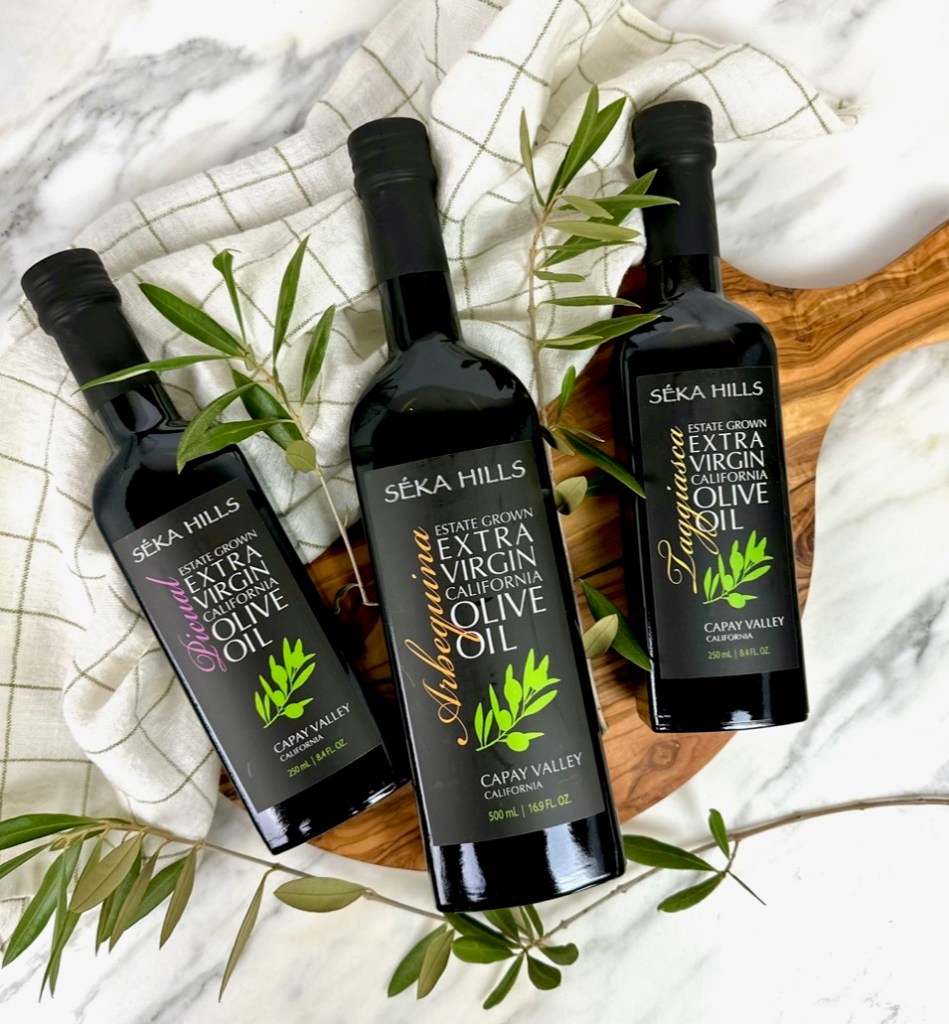
The mill offers tours for the public, and a tasting room for their wines, wildflower honey, seasoned nuts, and vinegars made with elderberries, all grown, harvested and packaged locally.
Over the bay from San Francisco, the Intertribal Friendship House & Kitchen in Oakland is the first established Indian community center for powwow dance, drumming, beading classes, social gatherings, cultural events, and ceremonies, fostering a sense of belonging and cultural continuity.Weekly meal gatherings are served up by Chef Crystal Wahpepah who runs the nearby Wahpepah’s Kitchen, a Native eatery featured on TV. Crystal is one of the first Native American women to own a catering business and she competed on the Food Network.
