
ICT is working to shape the future of journalism and stay connected with readers like you. A crucial part of that effort is understanding our audience. Share your perspective in a brief survey for a chance to win prizes
Pauly Denetclaw
ICT
GALLUP, N.M. — The fireworks have been lit, the Martinelli’s sparkling cider has been popped and a new year has begun.
While the most pressing issue is a divided House and Republican Party scrambling to get appropriation bills to the president’s desk, it still is a presidential election year. As we’re looking into 2024, it will definitely be shaped by this year’s election.
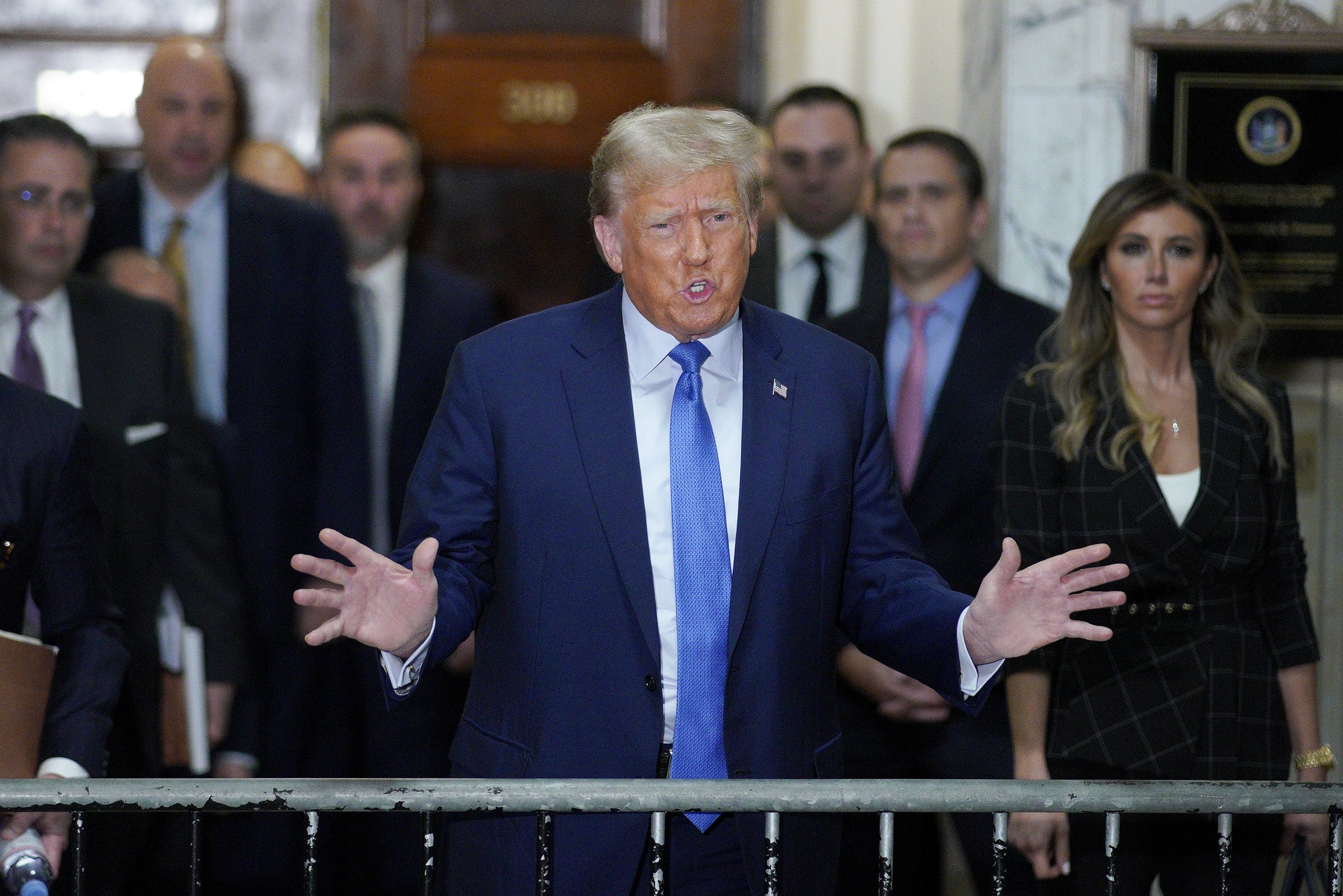
With Colorado and Maine taking Donald Trump off the primary ballot, will the former president make it to the general election? If not Trump, then who of the six Republican candidates left? Can President Joe Biden rally the Native vote? (Despite controversial decisions like approving the Willow Project and his stance on the Israel-Hamas war.)
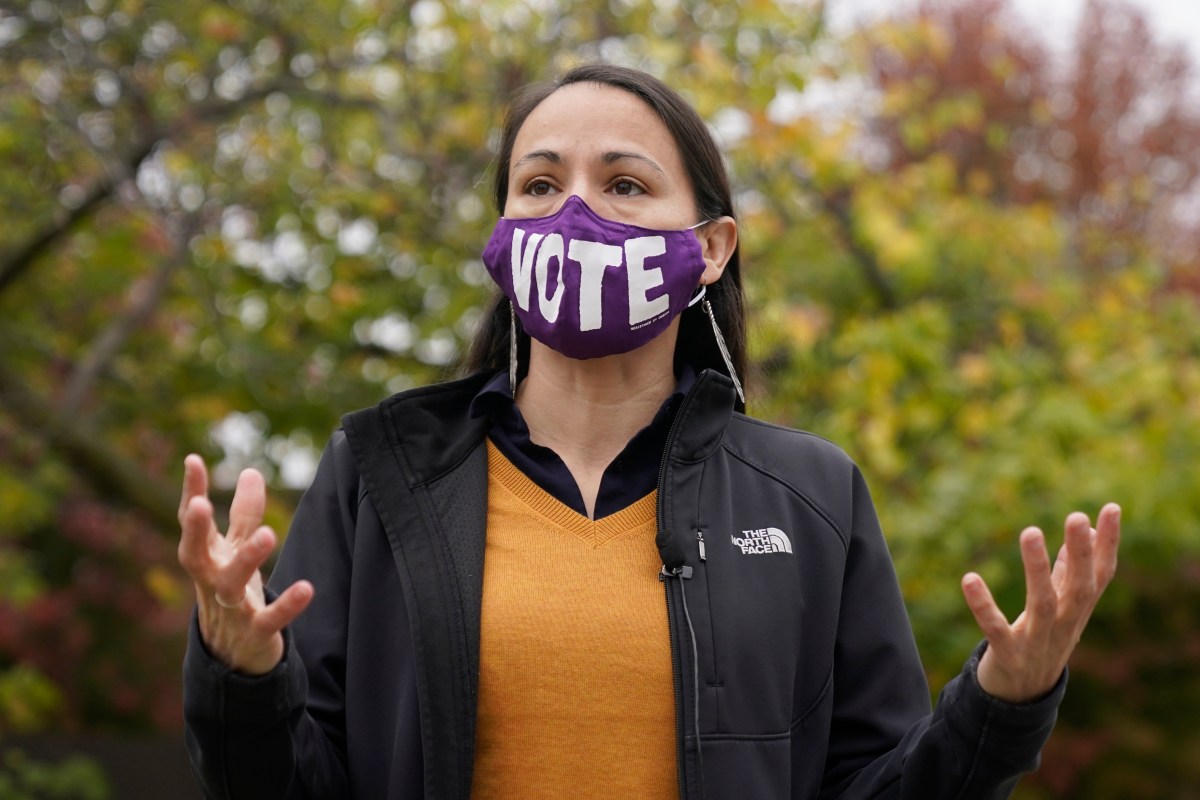
Will more Indigenous people run for office in 2024 and usher in a new record number of candidates? Of those in the primaries, how many will make it to the general elections? Will Arizona elect its first Indigenous U.S. representative to Congress? What other states could follow suit?
But the federal government isn’t the only one to watch.
How will the second terms for Cherokee Nation Principal Chief Chuck Hoskin Jr. and Muscogee Nation Principal Chief David Hill go? Will Navajo Nation President Buu Nygren’s administration be able to weather the allegations made against his office?
Will Maine Gov. Janet Mills support Wabanaki officials and their fight for tribal sovereignty? Will the Cherokee or Delaware nations seat a delegate in Congress? What will the National Congress of American Indians do under new leadership?
Related:
— IndigiPolitics: 2023 a year of twists and turns
— Where the 2024 presidential candidates stand on Indigenous issues
The year has just begun and there are so many answers yet to be revealed.
What we know for sure is the Farm Bill needs to be reauthorized. However, as Congress fights over appropriations the bill falls further and further to the back. A continuing resolution was passed and won’t expire until September 30, 2024 but agricultural organizations are urging Congress to pass one in the early part of the year.
Three of the Indigenous members of the U.S. House will be running for reelection this year. Rep. Sharice Davids, Ho-Chunk, is running for a third term in Kansas. Rep. Josh Brecheen, Choctaw, is running for reelection to his seat in Oklahoma. He assumed Markwayne Mullin’s House seat and is representing congressional district 2. (For the first time in many years, Mullin won’t have to campaign after being elected to the U.S. Senate in 2022.) The longest-serving Indigenous member of the House, Tom Cole, is running for his 11th term. The Chickasaw citizen remains one of the most influential voices in Congress.

The Indian Citizenship Act of 1924 will turn 100 years old this year. The act granted Indigenous people U.S. citizenship on their own lands and the right to vote. (Not so fun fact: Maine was the last state to comply with the act.) Another, not so fun fact, many states continued to bar Native Americans from voting or registering to vote as late as the 1950s. One of my own family members, Julia Denetclaw, wrote in an affidavit to the Bureau of Indian Affairs in 1946 that she was denied her right to register to vote in the county she had lived in for 48 years.
When it comes to voting rights Law360 predicts that more Indigenous nations will head to the courts to fight gerrymandering. One of those cases is in North Dakota, where Turtle Mountain Band of Chippewa Indians and Spirit Lake Tribe sued the state for gerrymandering voting districts held by the Native vote. The U.S. District Court of North Dakota ruled that two of the 2021 legislative district maps are not legal under the Voting Rights Act and forced the state to redraw them by Dec. 22, 2023. The state tried to appeal to the Eighth Circuit several times and each was denied. This case is still active.
The Indian Reorganization Act is 90 years old. The act is one of the most important legislations passed by Congress according to a 1972 article by the Michigan Law Review. The act had three goals: end land allotments, the creation of tribal governments and corporations, and finally, that tribal citizenship is comparable to national citizenship, according to testimony from Frederick E. Hoxie, a political historian and author, at a 2011 Senate Indian Affairs committee meeting.
Those are just a good handful of stories ICT will be reporting on in 2024. Please continue to follow our ongoing coverage all year. Like I said in my last newsletter, thank you for coming to ICT for your news. I’m able to follow my dreams and give back to my community with your support and readership. Ahéhee’ and Happy New Year!

Our stories are worth telling. Our stories are worth sharing. Our stories are worth your support. Contribute $5 or $10 today to help ICT carry out its critical mission. Sign up for ICT’s free newsletter.

