Mark Trahant
ICT
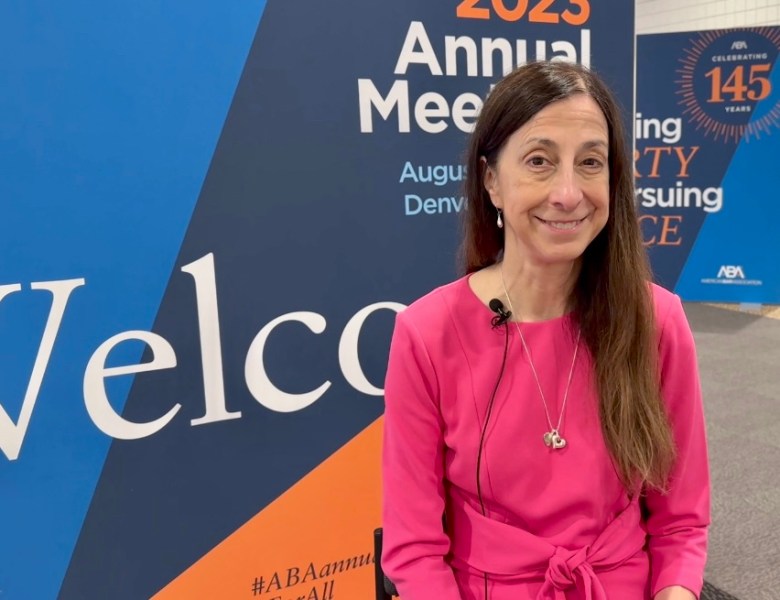
DENVER – The nation’s lawyers have a new leader, Mary L. Smith, a citizen of the Cherokee Nation. The gavel was handed to her Tuesday afternoon by the now former president, Deborah Enix-Ross, at the American Bar Association’s House of Delegates meeting.
“It means a lot to be representing the American Bar Association,” she told ICT. “We are the largest voluntary bar association in the world, and I’m particularly cognizant that I’m the first Native American woman to hold this role.”
Smith is a former president of the National Native American Bar Association.
“The National Native American Bar Association is immensely proud of Mary Smith’s achievements and her dedication to advancing the legal profession and empowering diverse communities,” Makalika Naholowaa, president of the NNABA, said in a news release. “Her historic presidency of the American Bar Association represents a significant milestone for Native Americans and the legal community. The NNABA extends its warmest congratulations to Mary on this momentous occasion and pledges its unwavering support in her efforts to shape a brighter future for the legal profession and the nation.”
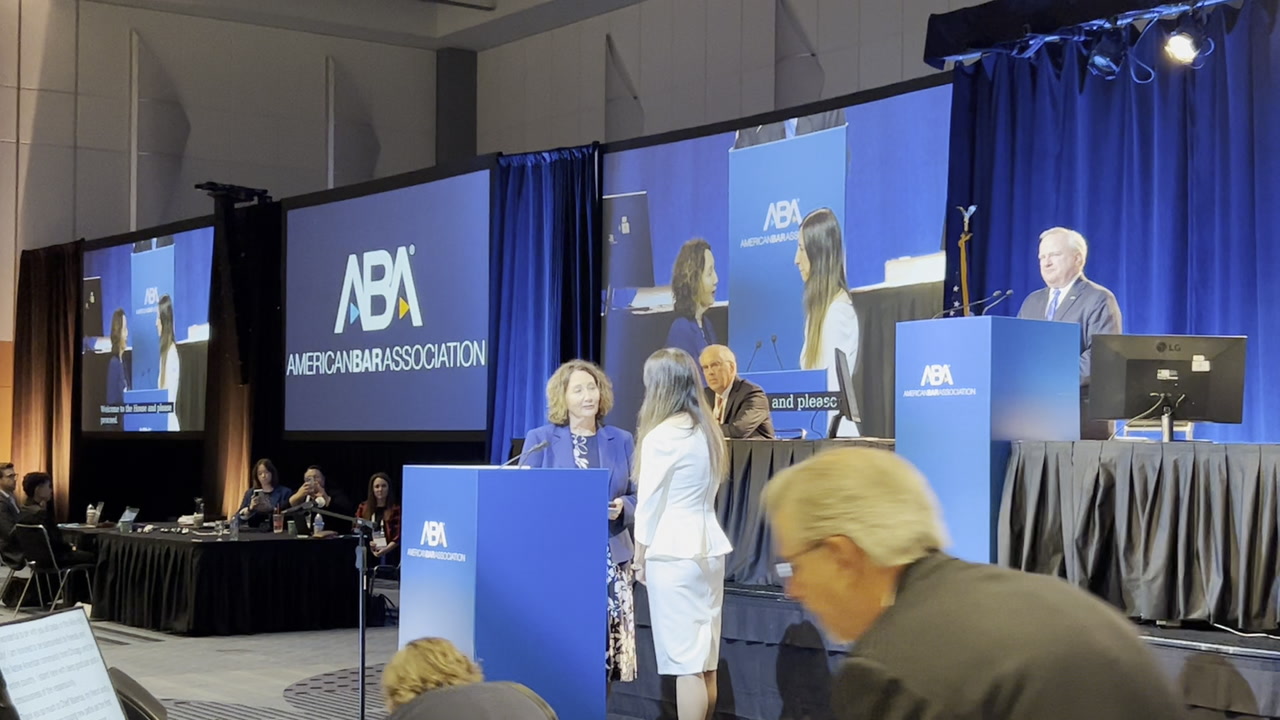
History was in full force Tuesday. Smith was sworn into office by Stacy Leeds, Cherokee Nation, dean of the Sandra Day O’Connor College of Law at Arizona State University. Leeds is the first Native American woman to hold that position.
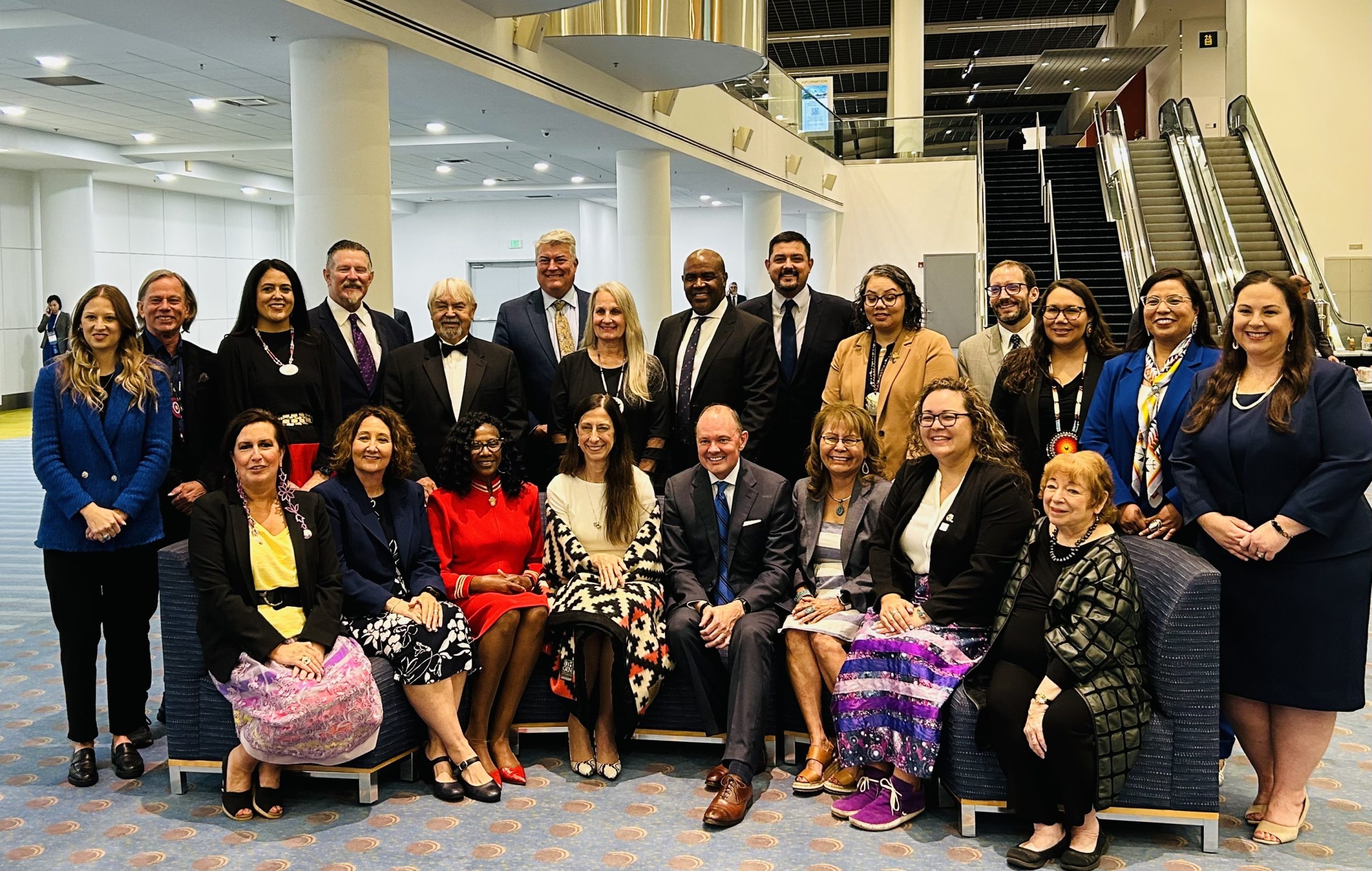
Dozens of Native people working in the legal profession attended the bar association’s ceremony.
“There’s a long history of using legal principles from the Indigenous community. And I find that it’s interesting now that it’s kind of merging with me being in this role at the American Bar Association,” Smith said. “I hope one of the things that I’m able to do just by merely being in this role is helping to educate people about the history of Native Americans in our country and also about their, all of their contributions, but also the legal contributions as well.”
And that includes adding more Native Amerians to the ranks of practicing attorneys.
“We have a lot of work to do because Native Americans still represent less than one percent of the legal profession and they represent a higher percentage of that in the population,” Smith said. “Native Americans are one of the fastest growing populations in the world. And I think we have to start young. We have to be in grade schools, high schools, certainly colleges to tell Native American students that yes, if you want to be a lawyer, that is a possibility for you.”
And that career track has to include the appointment of more Native Americans as judges.
“We have five federal Native American judges right now and I am heartened that President Biden has nominated several of those, but we do have more work to do. We still do not have a Native American on the appellate courts in this country. There’s never been one on the US Supreme Court,” she said. “So we need to keep pushing and recognize that we have some amazing Native American lawyers.”
Further reading:
Smith said there are a lot of ways that Native American young people can contribute.
“I think that a lot of Native Americans feel that if they’re gonna be a lawyer, they should practice Indian law. And if that’s what their passion is and that’s what their calling is, I am so heartened by that, but I would like all of them to think I can practice any area of law that they want.” she said. “I would love to see Native Americans in all aspects of the legal profession, including all kinds of judges as well.”
Smith takes office at a moment in history when the legal profession, and the nature of U.S. democracy, is at risk. Tuesday she announced a legal task force that will examine those challenges.
“This task force will consider and propose solutions for educating our citizens on the importance of an inclusive, strong, and enduring democracy, and help provide full works to bolster our democracy as conceived. As an organization dedicated to the profession of a rule of law and a promotion of justice, then we must run to the storm.”
Smith is the former chief executive of the Indian Health Service. She serves as vice chair of the VENG Group and serves on the board of directors for Greenway Health Inc. and PTC Therapeutics Inc. She is the founder of The Caroline & Ora Smith Foundation, an organization with a mission of promoting, sponsoring, supporting and training Native American girls and women in Science, Technology, Engineering and Math.
Our stories are worth telling. Our stories are worth sharing. Our stories are worth your support. Contribute $5 or $10 today to help ICT carry out its critical mission. Sign up for ICT’s free newsletter.