
Emma Davis
Maine Morning Star
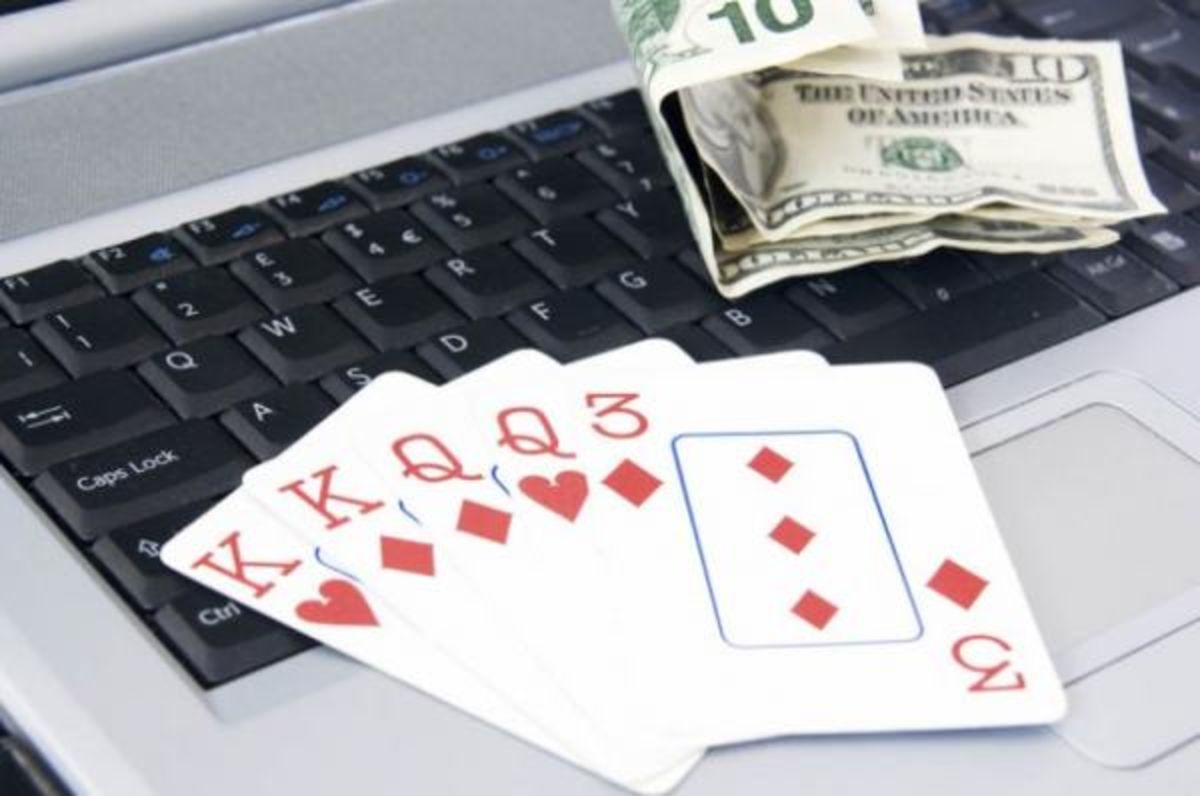
The Maine Legislature passed a bill to give the Wabanaki Nations exclusive rights to operate internet gaming in Maine.
If this bill, LD 1164, ultimately becomes law, it would require 16 percent of the revenue generated from internet gaming to go back to the state to fund services to address gambling addiction programs, substance use disorder, emergency housing relief and veteran housing.
However, there are still remaining hurdles until that is guaranteed.
Last Thursday, the House passed the bill 85-59 but the Senate split over the legislation before tabling it. When it took the bill back up Monday, the upper chamber first attempted to reject the bill but fell short of doing so with a 17-18 vote. The Senate ultimately passed it without a roll call. Later Monday night, the Senate attempted to reconsider its vote, but that motion failed 17-18.
Both chambers therefore followed the recommendation from the Veterans and Legal Affairs Committee to support the measure.
But Maine’s Department of Health and Human Services opposed the bill during its public hearing. While Press Secretary Ben Goodman declined to share an official stance from Gov. Janet Mills, instead saying the administration is “monitoring” the bill, Wabanaki leaders say there is not much appetite from the governor, presenting the possibility of a veto.
The federal Indian Gaming Regulatory Act of 1988 codified that tribes have the exclusive right to regulate gaming on their lands, unless the state in which it operates prohibits such gaming under its criminal laws.
However, the 1980 Maine Indian Claims Settlement Act has made it so the Wabanaki Nations are treated more akin to municipalities than independent nations, one way being that the Tribes are unable to benefit from any federal law passed after 1980, unless they are specifically mentioned in the law.
In 2022, the Maine Legislature amended the Settlement Act to permit Tribes to handle sports betting, so the legislation being considered this session would build off of that earlier expansion.
“The proposal to authorize igaming for Maine’s tribes is more than a revenue conversation,” Brian Reynolds, the new Tribal Representative for the Houlton Band of Maliseet Indians, said during debate on the House floor Thursday. “It’s about laying a foundation for self-reliance through modern tools. This is a chance for us to meet economic needs without waiting on federal grants or new appropriations. It allows us to stand on our own.”
The Department of Health and Human Services’ opposition largely centered around not wanting to incentivize more gambling.
“While the bill directs a portion of revenue collected, which will be used to further prevention and treatment efforts, the number of individuals who may need support and resources will continue to increase along with the public health concerns associated with gambling and internet use,” Puthiery Va, director of the Maine Center for Disease Control and Prevention under DHHS, testified during the public hearing.
Rep. Amy Roeder (D-Bangor) presented a rebuttal to this view during a speech on the floor Thursday.
Noting that it is tempting to try to legislate morality, “that’s not our job,” Roeder said. “It’s our job outside of this chamber to talk to our families, to talk to our children about why we don’t become addicted to gambling, why we shouldn’t drink to excess, but that’s not our job to legislate.”
Other proponents argued internet gambling is already happening and the bill presents an opportunity for greater oversight.
“Regulating igaming gives us the tools to enforce safeguards like age verification, betting limits and addiction resources that the offshore platforms ignore,” Reynold said on the floor. “By bringing this market under Maine’s laws, we’re not only protecting the Maine gaming market, we’re protecting people.”
The bill also presents an opportunity for the state to benefit on gambling that’s already happening, Passamaquoddy Tribal Rep. Aaron Dana said in an interview with Maine Morning Star.
“If we allow that type of gaming and regulate that gaming here in the state of Maine, then we have the ability to have geo fencing and firewalls so the illegal online gaming is not happening anymore and the state is actually gaining revenue from it.”
Dana sees this added revenue as particularly key in light of the tight budget year.
“I think it would be a win-win,” he said.
Maine’s privately owned casinos — Hollywood Casino, Hotel and Raceway in Bangor and Oxford Casino Hotel — are opposed because it would create an internet gaming monopoly for the Wabanaki Nations and, they argue, hurt their businesses by diverting revenue to the online options.
“Oxford Casino has delivered on its promise to Maine — creating jobs, paying taxes, and supporting local businesses,” Matt Gallagher, the casino’s general manager, testified during the public hearing. “LD 1164 undermines this success.”
Dana argues the demographics of people who use online gaming are different from those who go to brick-and mortar-casinos.
Roeder also argued “the brick-and-mortars will not suffer because they offer something that igaming does not,” which is a social experience.
The Legislature is also considering another gaming bill that pertains to the Wabanaki Nations this session, though it has yet to receive floor votes.
Rather than altering the structure of who controls gaming, LD 1851 seeks to provide equality among the Wabanaki Nations in how much revenue they are provided from slot machine income in the state.
It would increase the total net slot machine income to be collected and distributed by a casino from 39 percent to 46 percent, which would only impact Hollywood Casino, as Oxford Casino is currently at that percentage.
It would then provide 7 percent of that income to the tribal governments of the Houlton Band of Maliseet Indians and the Mi’kmaq Nation. This is roughly the same revenue, around $3.5 million, that Oxford already provides the Passamaquoddy Tribe and Penobscot Nation.
While both gaming bills could be passed, Chief of the Houlton Band of Maliseet Indians Clarissa Sabattis told Maine Morning Star she anticipates the slot revenue bill will not be as necessary should the Tribes gain control of internet gaming, though she sees that path as the less likely outcome.

This story was originally published in the Maine Morning Star

