
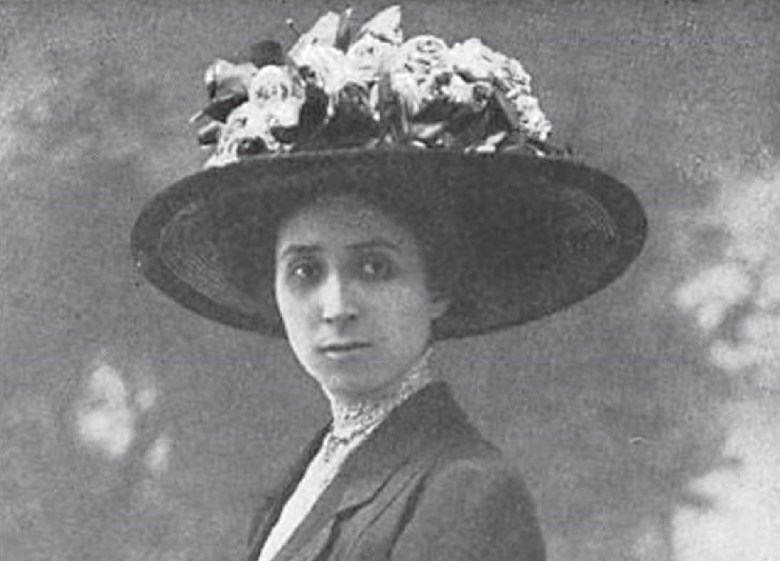
Editor’s note: This is one in an occasional series on “forgotten” ancestors who may not be fully recognized today for their achievements.
Raymond Wilson
Special to ICT
Laura Miriam Cornelius Kellogg, called “Minnie” by her friends and others, was born into a distinguished and influential family on the Oneida Reservation in Wisconsin on Sept. 10, 1880. Kellogg defended traditional Native rights and beliefs, proposed major economic and political reservation reforms, demanded a restructuring of the Bureau of Indian Affairs to provide better protection of Indian rights, and pursued Iroquois land claims. Although her involvement in these “controversial” actions caused major divisions between Kellogg and other Natives and non-Natives, she was among the leading Native women activists in the early 20th century.
The Oneidas were members of the powerful Haudenosaunee (Iroquois) League (Confederacy), originally five nations that dominated affairs in their New York homeland and elsewhere. Iroquois males, several of whom were known for their oratorical skills, were viewed as powerful leaders. However, as a matriarchal society, clan mothers provided valuable advice and played major roles regarding political, economic and political issues to their male counterparts.
Treaties signed after the American Revolution reduced the Iroquois land base, and many of the Oneidas moved to Wisconsin in the 1820s and 1830s. Kellogg’s relatives held important leadership positions and supported the move. For example, her mother Celicia Bread Cornelius was a respected clan mother, and other ancestors were leaders with oratorical skills. Her family heritage and reputation later helped Kellogg achieve recognition as a Native reform leader.
Kellogg attended Grafton Hall, a private Episcopal boarding school in Fond du Lac, Wisconsin, graduating with honors in 1898. Her senior thesis compared the Iroquois Confederacy to the Roman Empire. Additionally, she worked on compiling grammar of the Oneida language.
Kellogg taught at the Sherman Institute in Riverside, California, from 1902 to 1904. While there, she became involved in preventing an uprising involving the forced relocation of the Copah Natives.
She later attended but did not graduate from several prestigious colleges such as Stanford University, Barnard College, Cornell University and the University of Wisconsin, taking courses in law, political science, and social work. In 1908, Kellogg spent two years touring Europe. After her return to America, she confronted Buffalo Bill Cody in 1910 and criticized him for his stereotypical depiction of Natives in the Wild West shows. Newspapers in the United States and abroad published articles on Kellogg, praising her intelligence and oratory skills, often referring to her as an “Indian Princess.”
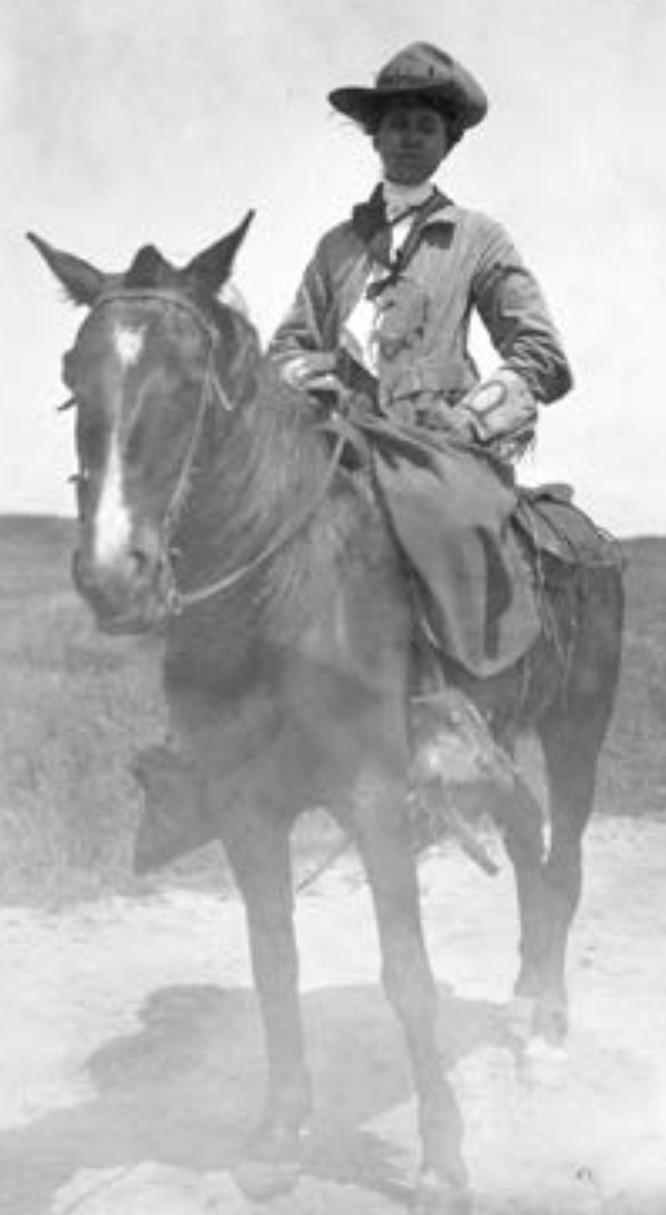
Kellogg also gained recognition as a writer. Included among her publications are two stories published in 1902 in The Episcopal Church’s Mission to the Oneidas: “The Legend of the Bean” and “The Sacrifice of the White Dog,” both reflecting her knowledge of Oneida oral traditions and storytelling. In 1903, she also wrote a poem, “A Tribute to the Future of My Race,” which appeared in the Carlisle Indian School newspaper the Red Man and Helper and criticized the concept of a “vanishing race.”
In “Some Facts and Figures on Indian Education,” published in the Quarterly Journal of the Society of America Indians in 1913, Kellogg condemned BIA education policies and demanded Native beliefs and sovereignty be included in the education process. Finally, in her book, “Our Democracy and the American Indian,” published in 1920, Kellogg proposed establishing cooperative, self-governing industrial villages on reservations to protect Native land holdings and develop tribal economies.
As a founding member of the Society of American Indians, a pan-Indian organization established in 1911, Kellogg became secretary of the executive committee and later vice president on education. Many society members did not agree with her views on retaining Native wisdom and initiating major economic and political self-determination reforms on reservations.
Additionally, in 1912, her marriage to Orrin Joseph Kellogg, a lawyer who claimed Seneca heritage, and their arrest the following year caused further resentment toward her. Kellogg and her husband were charged with fraud for claiming to be federal officials investigating Osage oil leases and the Pawhuska Indian school in Oklahoma. Although found not guilty, Kellogg resented the lack of support from the Society of American Indians and others on issues she supported and left the organization.
During the remainder of her life, Kellogg dedicated herself to economic and political reservation reforms and protection of Native land ownership. She testified on several occasions regarding these important issues and others before the U.S. Senate Committee on Indian Affairs between 1913 and 1929.
Her fundraising activities to establish industrial development on reservations and recognize Iroquois land claims resulted in Kellogg being accused of fraudulent methods and created major dissension against her from many Natives.
In her final years, Kellogg fell on hard times and died in obscurity. Sources on her passing are unclear – she died in either 1947 or 1949.
Nevertheless, Kellogg left a significant legacy. She was a visionary whose crusades addressed many important issues of today such as recognition and restoration of Native land claims, economic and political self-determination on reservations, and BIA reforms.
Sources: “Society of the American Indian Papers”; Kristina Ackley and Cristina Stanciu, eds., Laura Cornelius Kellogg: Our Democracy and the American Indian and Other Works, (2015); and several publications on the Iroquois by Laurence M. Hauptman.

Our stories are worth telling. Our stories are worth sharing. Our stories are worth your support. Contribute $5 or $10 today to help ICT carry out its critical mission. Sign up for ICT’s free newsletter.