
Editor’s note: This is one in an occasional series on “forgotten” ancestors who may not have been fully recognized for their achievements.
Raymond Wilson
Special to ICT
Dr. Charles A. Eastman, or Ohiyesa, (1859-1939) became one of the most well-known Native people in the late 19th and early 20th centuries.
His achievements at Dartmouth College (1883-1887), Boston University School of Medicine (1887-1890), and later as a famous author, dynamic lecturer, and active Indian reformer have been documented in many publications.
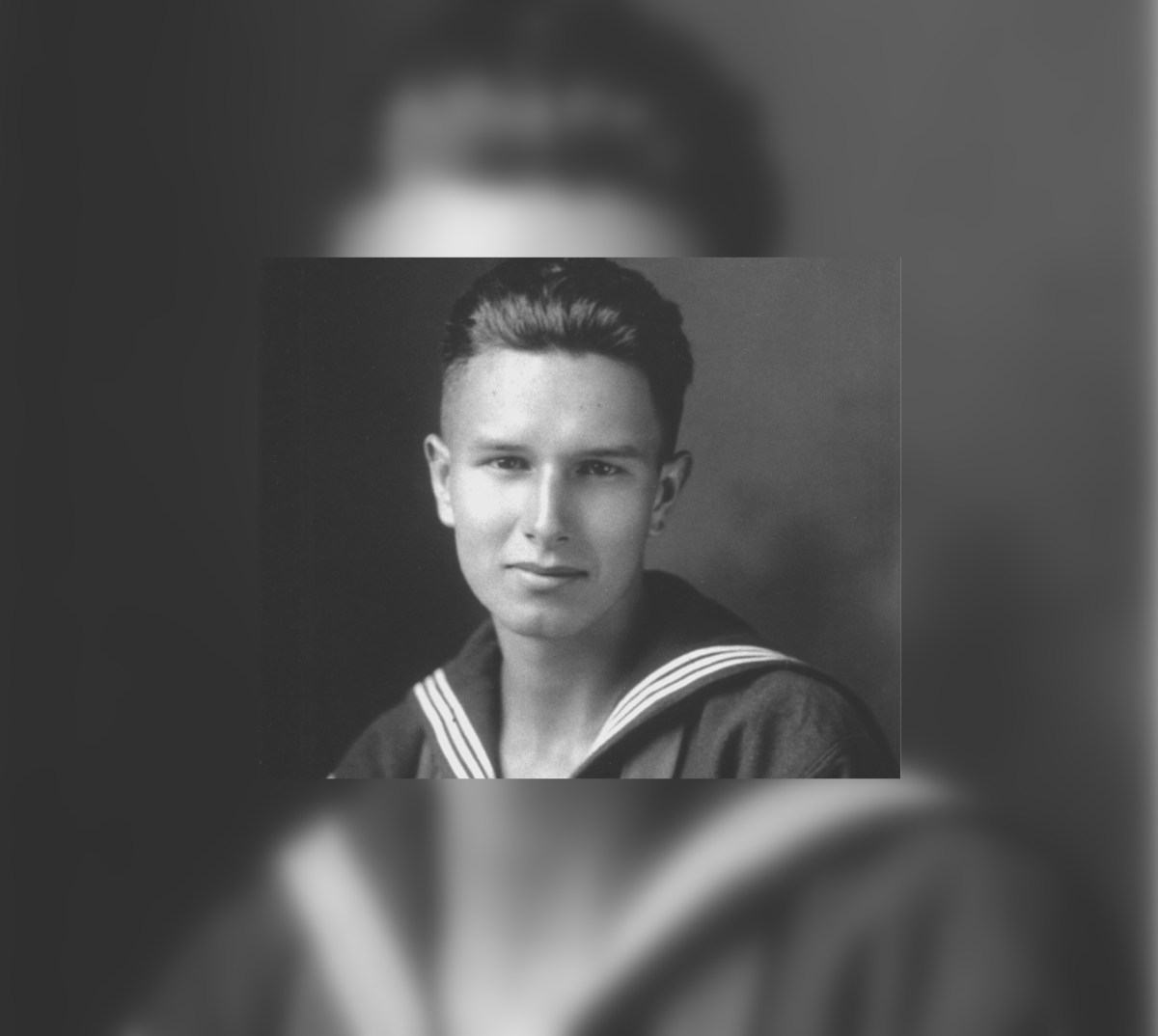
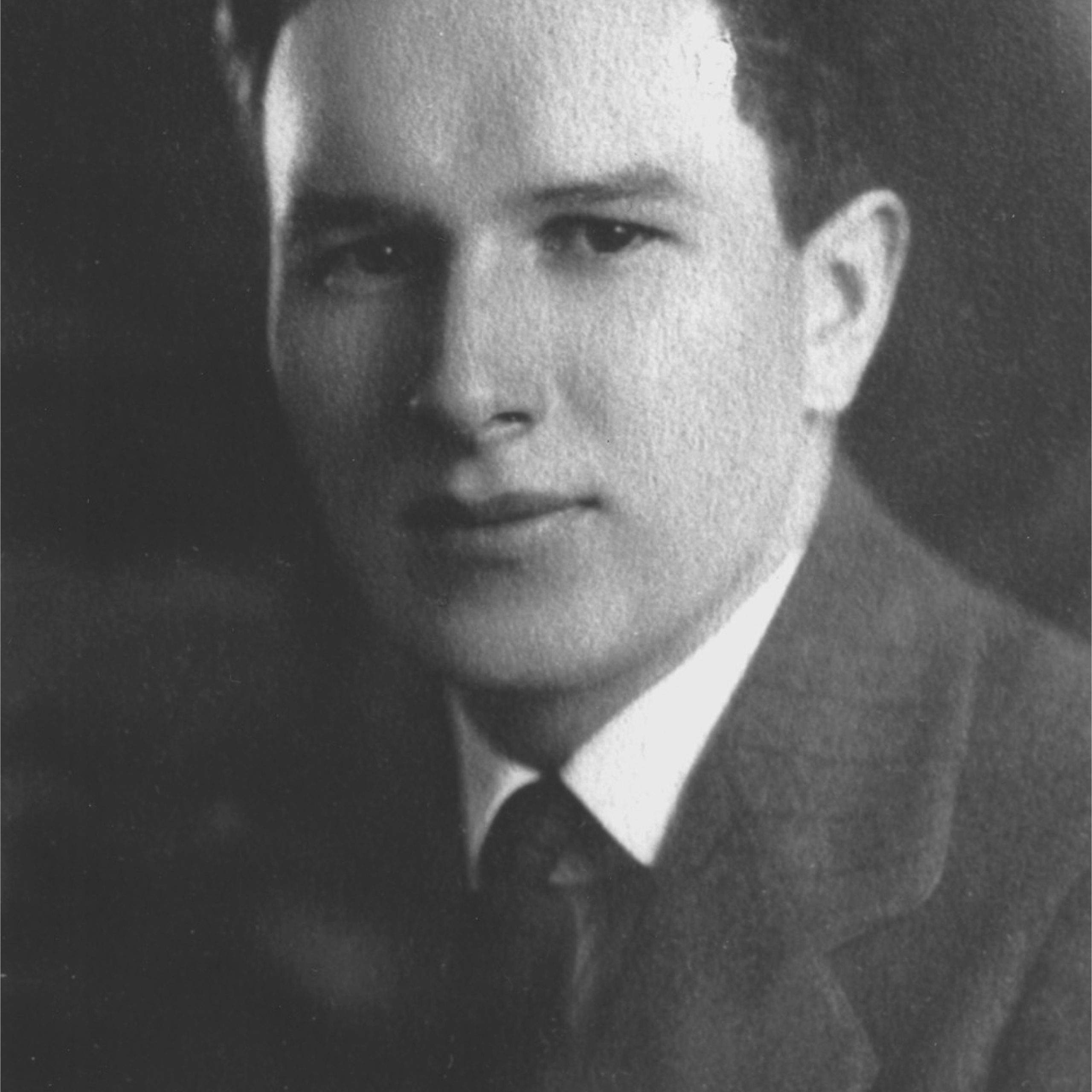
Unfortunately, unlike the numerous references and information on the illustrious Dakota doctor, information is scarce about his son, Charles Alexander Eastman Jr., or Ohiyesa II. Glimpses of details, however, reveal an athlete, military veteran and counselor who strongly supported his prominent family.
Read more:
—LEST WE FORGET: The Rev. John Eastman
—LEST WE FORGET: Dr. Susan La Flesche Picotte
Born on Sept. 18, 1898, in Redding, Connecticut, Ohi, as he was often called, was the only son of Charles and Elaine Goodale Eastman, who was also a noted author and devoted Indian reformer.
He had five sisters: Dora Winona (1892-1964), Irene Taluta (1894-1918), Virginia 1896-1991), Eleanor (1901-1999), Florence (1905-1930), and a half-sister, Bonno Hyessa (1919-1997).
Several early references to Ohi Eastman appear in the newspaper of the Carlisle Indian Industrial School, where his father worked as an Outing Agent and where his mother was the newspaper’s editor from November 1899 to September 1900. During his brief time there, “Master Charles,” as he was sometimes called, was described as happy, sweet, interesting, charming, and someone who enjoyed the company of his sisters and other females.
After the Eastman family moved to Amherst, Massachusetts, in 1903, Ohi Eastman lived there until 1918. During his upbringing in Amherst, he enjoyed playing ball, skating and shooting rifles.
Ohi and his father often slept in the attic of their home or outside in a tent. The elder Eastman told stories about his Indian heritage to his son, who listened intently. Ohi did not excel in his studies, however, and especially had problems with mathematics.
In sports, however, his baseball batting average was over .400 during his sophomore year at Amherst High School. Often called “East” by his team, he lettered in baseball and football.
Similar to his father’s athletic abilities at Dartmouth College, Ohi performed well with his freshman team mates in a scrimmage between the freshman and sophomore class.
Concerned about his academic performance, his mother home-schooled Ohi and later enrolled him at Kimball Union Academy in Meriden, New Hampshire, where his father had attended.
With his sisters, Ohi worked as a counselor during the summers at Camp Oahe, which his parents established in 1915 in Munsonville, New Hampshire. The Eastmans wanted, as a major objective of the experience, for non-Natives to appreciate Native achievements and to become aware of and address the deployable conditions Indians endured.
The camp offered campers an opportunity to engage in outdoor activities and learn about nature and Indian skills. After the United States entered World War I in 1917, Ohi joined the U.S. Navy in 1918 but was not deployed overseas.
After the war, Ohi lived in Seattle and later enrolled at the College of Idaho in Caldwell, graduating in 1924. Again, he was an outstanding athlete, lettering in football, baseball and tennis. He was captain of his baseball team, and his teammates, predictably, called him “Chief.”
SUPPORT INDIGENOUS JOURNALISM. CONTRIBUTE TODAY.
In football, he played defensive right end and received high praise for his tackling and interceptions. His prowess on the field was rewarded when he was selected as football captain during his senior year.
Ohi was described as quiet, unassuming, and popular with both his male and female classmates. On several occasions, he traveled back east to visit his mother, sisters, and others.
The elder Eastman visited his son at the college in 1923, and they spent an enjoyable time together over the Christmas holidays. After graduating, Ohi moved to Detroit, where he lived the rest of his life.
In Detroit, Ohi secured employment as a copy writer in the Advertising Department of Kelvinator. In August 1936, he married Marion Keifer Nutting, who had a daughter from a previous marriage.
His father, who had separated from Elaine in 1921 and later lived in a cabin in Desbarats, Canada, often stayed with Ohi in Detroit during the winter months. Ohi reportedly served as a go-between for his parents, who are believed to have never seen each other again after their separation.
His father died on Jan. 8, 1939. A few days later, Ohi wrote to a Dakota Sioux cousin in South Dakota informing her of his father’s death and asked her to relate his passing to other relatives and friends.
Ohi mentioned that his dad’s eyesight had been failing and said that the cause of his death was pneumonia and heart failure. A special program was held to honor the elder Eastman in Detroit a few months after his passing, and Ohi, who had helped his father with several Native research projects, was one of the main speakers.
One year and 8 days after his father died, Ohi died on Jan. 16, 1940, from pneumonia. Ohi was buried in an unmarked grave, next to his father’s unmarked grave, at Evergreen Cemetery in Detroit.
Ohi was apparently among the favorite children of Charles and Elaine Eastman. Both parents dedicated books to him: “Indian Boyhood” (1902) by Charles Eastman, and “Hundred Maples” (1936) by Elaine Eastman.
As the only boy among six children, he was well-liked and considered an outstanding brother by his five sisters. Finally, Ohi was proud of his Native heritage. His name, Ohiyesa, means “winner” in Dakota.
Sources: The Eastman-Goodale-Dayton Family Papers, Sophia Smith Collection, Smith College, Northampton, Massachusetts; Amherst High School records; College of Idaho records; Raymond Wilson’s Eastman Collection, Hays, Kansas.

Our stories are worth telling. Our stories are worth sharing. Our stories are worth your support. Contribute $5 or $10 today to help ICT carry out its critical mission. Sign up for ICT’s free newsletter.

