
Amelia Schafer
ICT + Rapid City Journal
RAPID CITY, S.D. — As part of a nationwide tour, National Endowment for the Arts (NEA) Chair Maria Rosario Jackson visited South Dakota over the first week of July to meet with local artists in Rapid City and artists in the Oglala Lakota Nation and the Cheyenne River Nation.
South Dakota is the 19th state Jackson has visited on her tour, and this was her first time visiting the Native nations that share a border with South Dakota.
Jackson said she feels promoting Indigenous artists and artforms is crucial to her position.
“Part of being here is understanding the work that we’ve supported so far, and it’s really wonderful to see that blossom,” Jackson said. “It’s also (about) understanding how we need to adapt moving forward. How can we be more helpful, more impactful?”
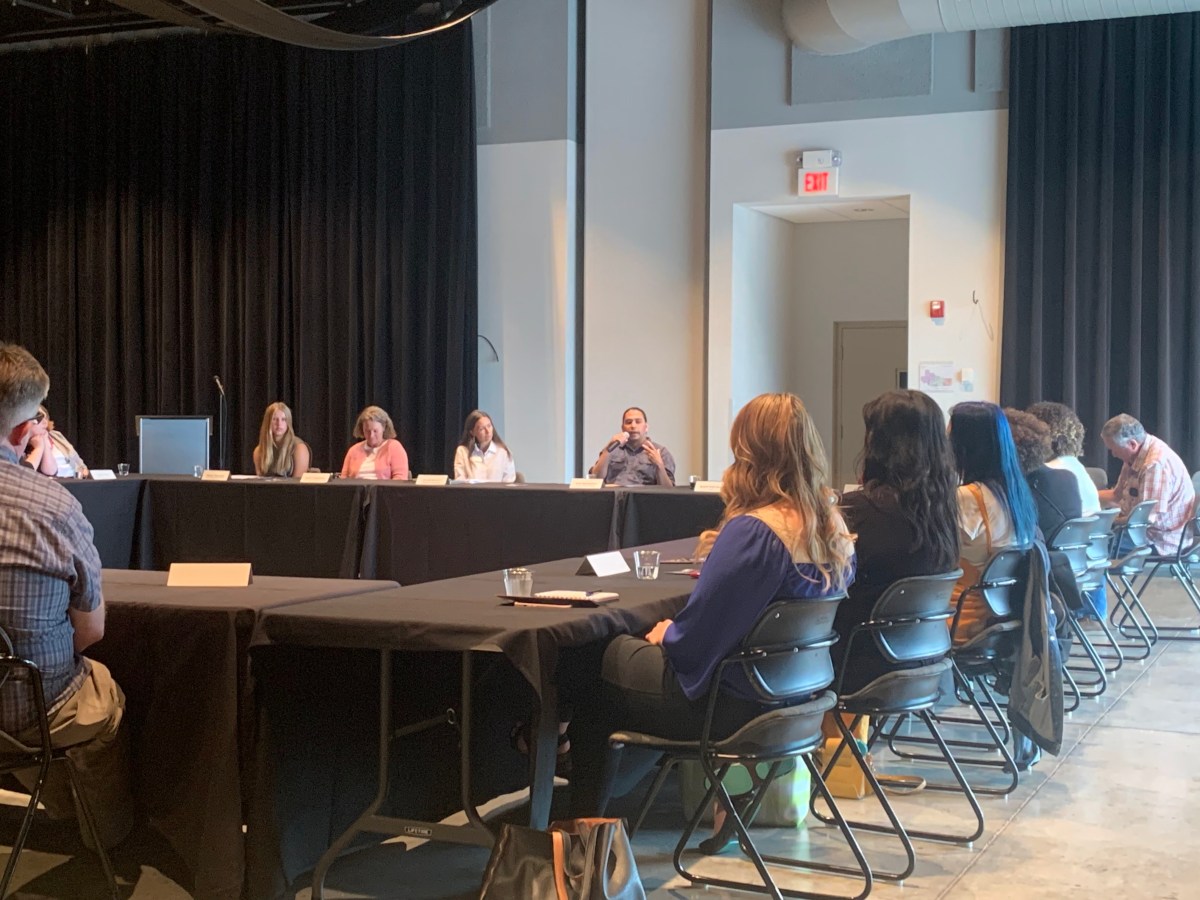
On July 5, Jackson met with local artists and art leaders, both Native and non-Native, in Rapid City, during a conversation at the Dahl Art Center. Topics of the discussion included how arts has changed throughout the COVID-19 pandemic, and the future of art.
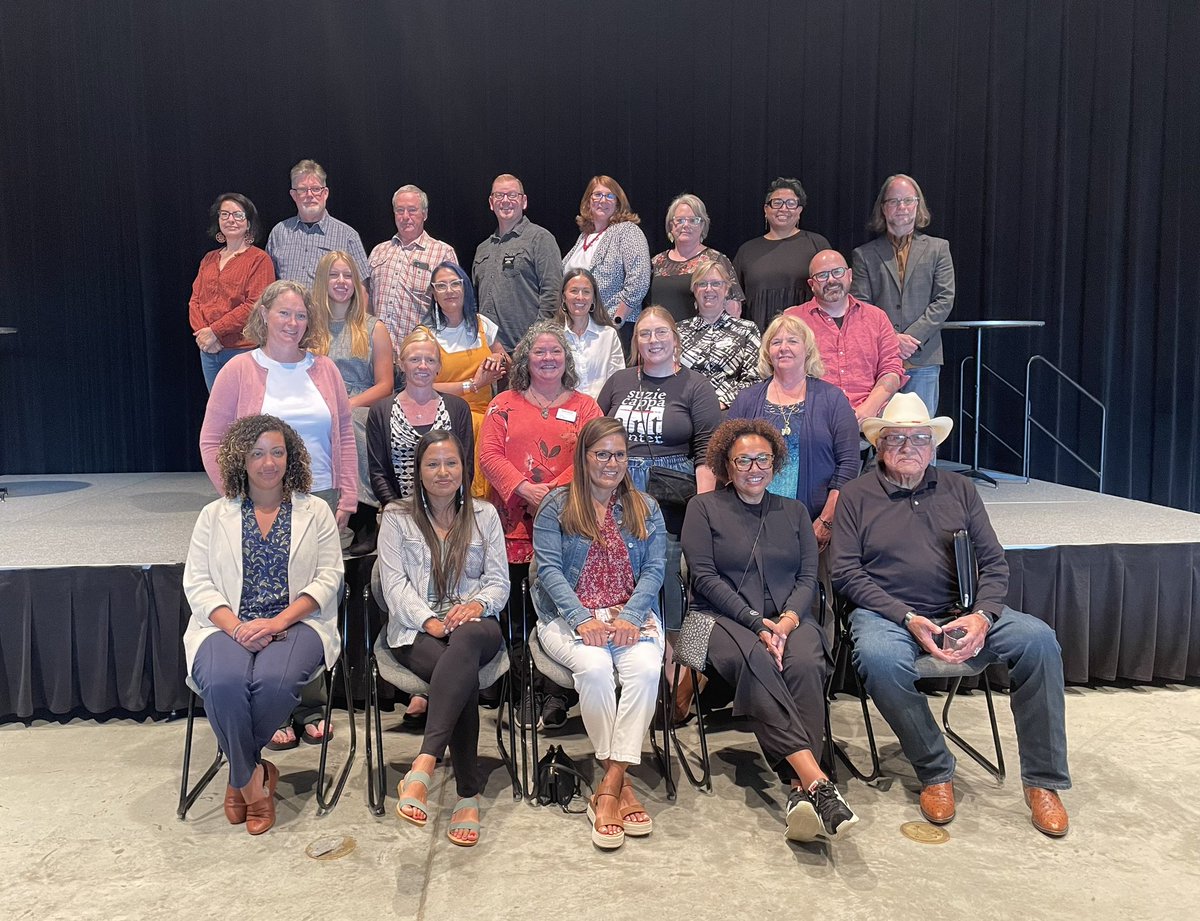
The meeting at the Dahl center was kicked off by Jacqui Dietrich, executive director of the Rapid City Council of the Arts, who emphasized the importance of art in the lives of South Dakotans.
Dietrich said half of the residents of South Dakota participate in art making, in some form.
For many Indigenous people, art is culture.
“Art and creativity is how I know myself as a Lakota person,” Mary Bordeaux, Sicangu/Oglala Lakota, co-director and co-founder of Racing Magpie said during the discussion. “It’s the core of myself and my spirit.”
During the meeting, Jackson emphasized her belief that art is inextricably linked to life and discussed “Artful Lives” a concept that the NEA is promoting which discusses how we consume art and use art in our daily lives.
The following day, Jackson traveled to Pine Ridge to visit the Oglala Lakota Artspace and then on July 7, Jackson went up to the Cheyenne River Sioux Tribe to visit the Čhokáta Wičhóni (Center of Life) teen center and Waniyetu Wowapi (Winter Count) Art Park and the ninth annual RedCan Invitational Graffiti Jam.
Related: RedCan graffiti festival allows self-expression through art
Jackson and her team were impressed by the role that art plays in Indigenous communities.
“These cultural institutions are hubs for the entire community and they are connected to food and health and wellness and education,” Jen Hughes, senior advisor to the chair said. “The genesis of what they do and the tentacles to all those dimensions of community has been incredibly inspiring, and perhaps even a model as we think about evolution (of the NEA’s role).”
Hughes said that the NEA wants to be more than just a grantmaker, but as a resource with the ability to convene, connect and create a platform for people that are doing extraordinary work, such as the leaders they met with.
The NEA has been a supporter of RedCan since its inception. Jackson said that RedCan is a genuine example of artful lives.
“What’s happening here at this organization is such a genuine example of access to experiences where young people can have our full lives,” Jackson said. “I think that the ability to engage in the art in so many ways whether it’s consuming it or making, doing, teaching, learning and practicing art forms that are in this case, especially you know, affirming of an identity that needs to be lifted up and validated and respected.”

This story is co-published by the Rapid City Journal and ICT, a news partnership that covers Indigenous communities in the South Dakota area.
ICT is a nonprofit news organization. Will you support our work? All of our content is free. There are no subscriptions or costs. And we have hired more Native journalists in the past year than any news organization ─ and with your help we will continue to grow and create career paths for our people. Support ICT for as little as $10. Sign up for ICT’s free newsletter.

