ICT is working to shape the future of journalism and stay connected with readers like you. A crucial part of that effort is understanding our audience. Share your perspective in a brief survey for a chance to win prizes.
Joaqlin Estus
ICT
ANCHORAGE, Alaska – In 2023, for the first time, three Alaska Natives took first, second and third place in the Iditarod Sled Dog Race. Two are returning this year to give their best in the grueling 1,049-mile race from south-central to northwestern Alaska.
Last year, Inupiaq Ryan Redington’s winning time was 8 days, 21 hours, 12 minutes and 58 seconds. He took home $51,800 in prize money.
Redington said he’s looking forward to getting on the trail. “I’m feeling good. Yeah. I got a good team. We’re the defending Iditarod champions from last year, so we’ve got a little bit of confidence and we got a good team for this year.”
He said his race strategy is to be patient, “and when we get on the Yukon River, we’ll start racing and hopefully we’re not too far behind to catch up.”
Redington said he’s pleased to bring his Inupiat heritage to the race. “I’m proud to be Native. I promote a healthy lifestyle and I think it’s really cool to be racing the Iditarod as an Alaska Native. Last year the top three mushers were Alaska Native mushers. So it’s really, really cool and special to be part of the race and I hope to make everyone proud.”
The Anchorage Daily News reports Redington’s mother, Barb, grew up in Unalakleet, an Iñupiaq community where her grandfather was a musher who delivered mail by dog sled. His grandfather, Joe Redington Sr., co-founded the race in 1973 and is known as the “Father of the Iditarod.”
Peter Kaiser, Yup’ik, came in second in 2023 with a race time of 8 days, 22 hours, 36 minutes and 40 seconds on the trail. His prize money was $43,700. He won first place in 2016. He’s optimistic about his prospects for winning this year.
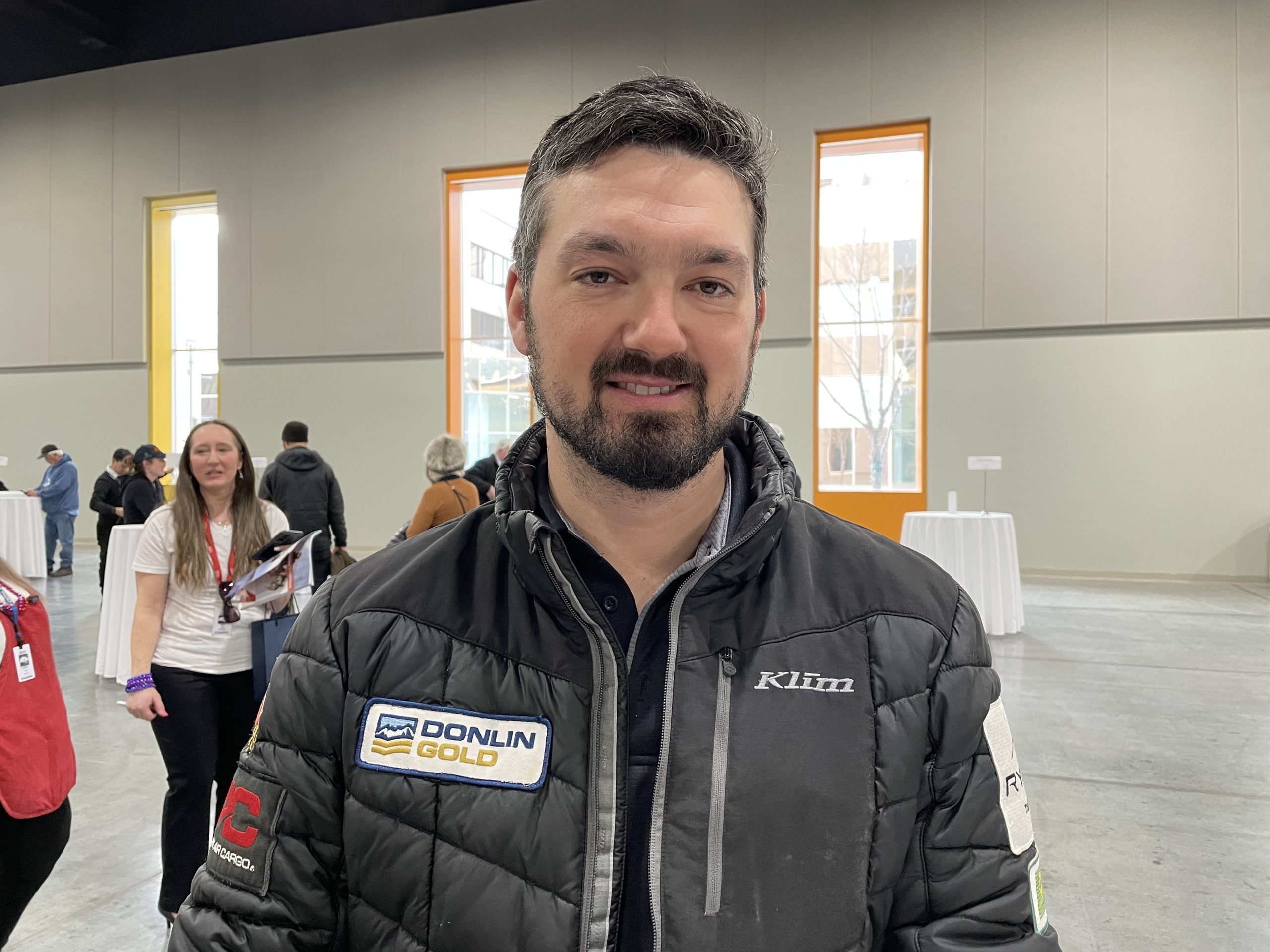
“Oh, we’ll see a lot of variables and things that can happen out there, but I’ve got a good team and had pretty good training and so our hope is to do well and try to win again. So we’ll see how it goes.”
His strategy is to go as fast as he can safely while keeping his team healthy. “And that usually means that helps you go faster in the end. I guess the strategy is just to be consistent all the way to Nome.”
He sends his appreciation to Indian Country. “Thanks to everybody for following along and especially all the Indigenous people out there. Appreciate the support. Yeah, thanks for following along.”
Kaiser’s webpage said Pete was “born, raised and graduated high school in Bethel, Alaska. His Bethel roots extend back three generations to include a great grandfather who came into the country as a goldminer and hired out with his dog team for extended trips from the Interior to Bristol Bay and a Yup’ik great grandmother orphaned by an epidemic and raised in a mission orphanage.”
Ryan Redington is the sixth Alaska Native to win the Iditarod, and Pete Kaiser the fifth Native winner.
Native winners of the Iditarod are Carl Huntington, Athabascan, in 1974, Emmitt Peters, Athabascan, in 1975, Jerry Riley, Athabascan, in 1976, John Baker, Iñupiaq, in 2011, Pete Kaiser, Yup’ik, in 2016, and Ryan Redington, Iñupiaq, 2023.
The roster of mushers in the early years of the race was filled with Native mushers. But those numbers have dropped off.
Ryan Redington believes cost is the main factor. He estimates it costs about $60,000 to maintain and train a top-notch team of dogs for the endurance race, and costs are even higher in rural Alaska where everything has to get shipped in and out. “It’s hard to come in from the villages with a dog team and it’s a really big event to come and I think that’s part of it,” Redington said.
Mark Nordman, director of the Iditarod race, said the economics are a factor but rural Alaskans participate in other ways. He said the Iditarod race relies heavily on rural, roadless, predominantly Indigenous communities along the trail.
“Without them, we don’t have an Iditarod,” Nordman said. “It’s not just their community hall, it’s their sense of ownership of the race. It’s very traditional. … It’s the beginning of spring. But really, they help cut wood for our checkpoints. They haul water. They’re involved with everything. So it really is, yeah, truthfully couldn’t happen. I mean, forget the economics of it, but just the fact that we have so much support and so much love for it.” He said he loves to see villagers cheering the teams on and appreciates their knowledgeable observations about the dogs.
On the other hand, People for the Ethical Treatment of Animals, or PETA, has called for the end of the Iditarod for alleged cruelty to the dogs, citing dog injuries and deaths before, during and after the race.
The ceremonial start of the Iditarod takes place Saturday, March 2, in downtown Anchorage. The official restart is on Sunday in Willow, a community 70 miles north of Anchorage.

Our stories are worth telling. Our stories are worth sharing. Our stories are worth your support. Contribute $5 or $10 contribution today to help ICT carry out its critical mission.