
Paul Hammel
Nebraska Examiner
The City of Lincoln will train staff on improving relations with Native Americans and will assist in preserving a green space between a housing development and a sweat lodge site as part of a legal settlement announced Thursday.
The settlement with groups protesting the Wilderness Crossing development on Lincoln’s western edge in Nebraska resolves a lawsuit filed by protesters, who objected to the construction project located across the road from a long-used site for sweat lodge ceremonies.
More than 26,000 people, according to protesters, signed a petition supporting the position that the development would ruin the sweat lodge ceremonies and that the city had ignored the rights of Native Americans.
A spokesman for the protesters, Kevin Abourezk, expressed gratitude for the settlement.
“We will continue to work to remind our neighbors here in Lincoln that their Indigenous relatives are here, will remain here and will never surrender their rights and their culture,” Abourezk said.
Rose Godinez, legal director of the ACLU of Nebraska, which helped litigate the case for the protesters, said the agreement will “mitigate some of the harm of the Wilderness Crossing development.”
“Moving forward, we hope this experience will help ensure that officials actively seek and listen to feedback from underrepresented groups, including the Indigenous community, during future city planning decisions,” Godinez said in a press release.
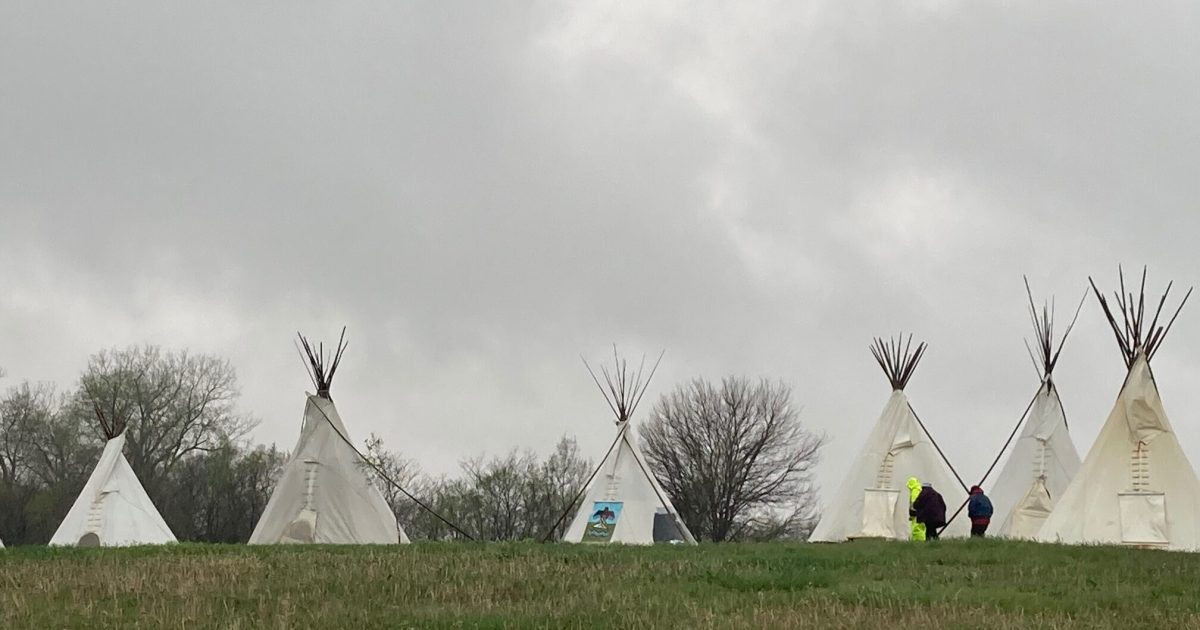
The protesters erected a protest camp of tipis and later went to court to object to the city’s approval of the development.
The city had maintained that Wilderness Crossing’s approval was done by the rules. Eventually, four protesters were arrested and charged with trespassing as construction crews began grading the land and removing trees.
Both sides will pay their own legal costs in reaching the settlement, which calls for two training programs for city staff conducted by the Lincoln Indian Center and efforts to preserve green space within the planned development. One organizer of the protests, Erin Poor, also will be appointed to a committee looking at the environmental impact of development in the upper Salt Creek.
In addition, Lincoln Mayor Leirion Gaylor Baird signed a proclamation reaffirming the city’s “dedication and commitment to the rights of Indigenous Peoples achieving equitable participation in all aspects of civic life …”

Note: Kevin Abourezk is ICT’s deputy managing editor.
This article was first published in the Nebraska Examiner.

