Felix Clary
ICT + Tulsa World
“He came on horseback, just like a wrangler going to work on a ranch. He spent over three years investigating.”
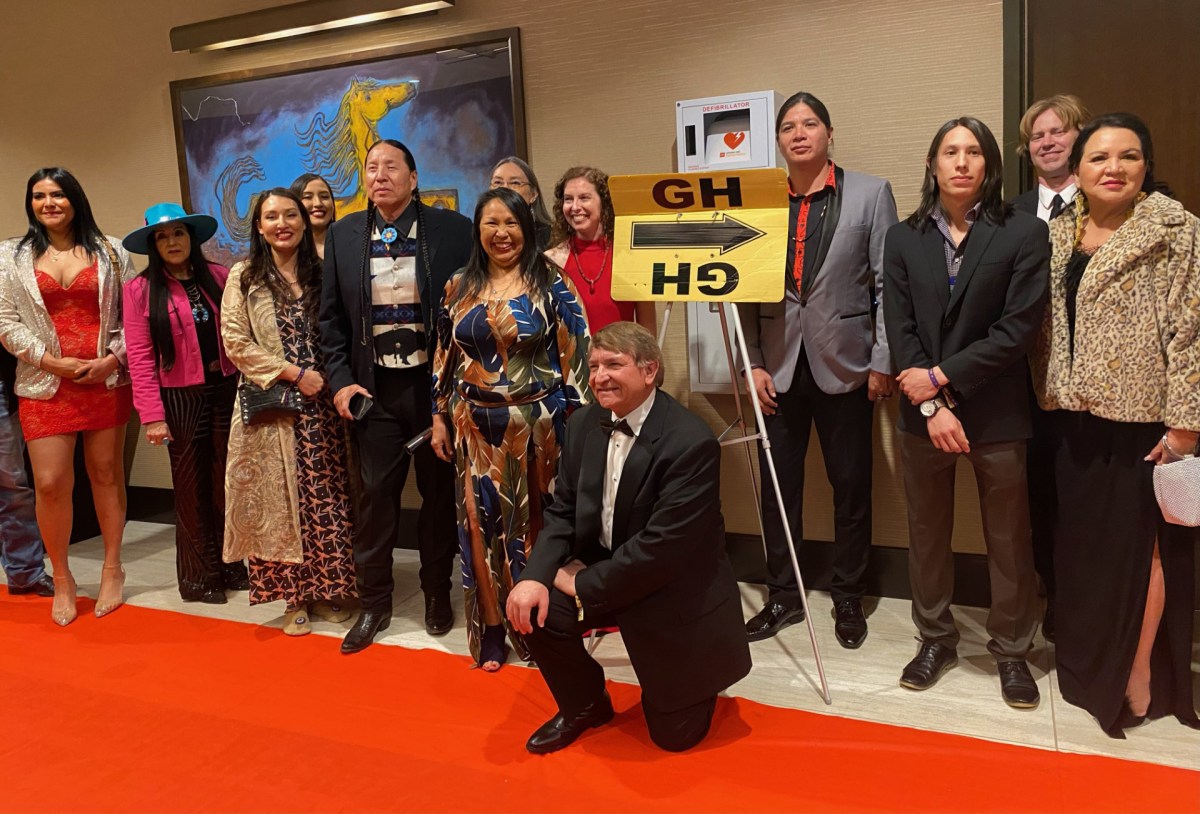
Wayne Ray Mitchell, sponsor for the Osage Nation’s Oscars party on Sunday, March 10, was sharing a story about the real-life FBI agent who worked to solve the murders of Mollie Burkhart’s family, as depicted in “Killers of the Flower Moon.”
Three decades after the reign of terror in the 1920s Osage reservation, Mitchell was a small child.
“My grandfather told me a story … that most prevailed in my mind (about) the FBI agent coming into Fairfax.”
When the agent was set to leave after three years investigating, a crowd gathered around to wish him off with a bittersweet goodbye.
The agent said he was done with his work for the moment, Mitchell recalled from his grandfather’s story, but that he would be back soon, adding “people are going down.”
Along with sorrow for the unsolved murders, there was hope for future justice.
A hundred years later, another crowd of Osage citizens prepared to head home after a bittersweet experience: a watch party Sunday night at the Osage Casino in Pawhuska.
Tickets were sold out. About a hundred people gathered, champagne in hand, waiting for “Flower Moon” to win at least one of the 10 awards it was nominated for.
The film took home no Oscars, but many in the Osage Nation recognize the biggest win is having their story heard by a wider audience.
Spotlight on the reign of terror
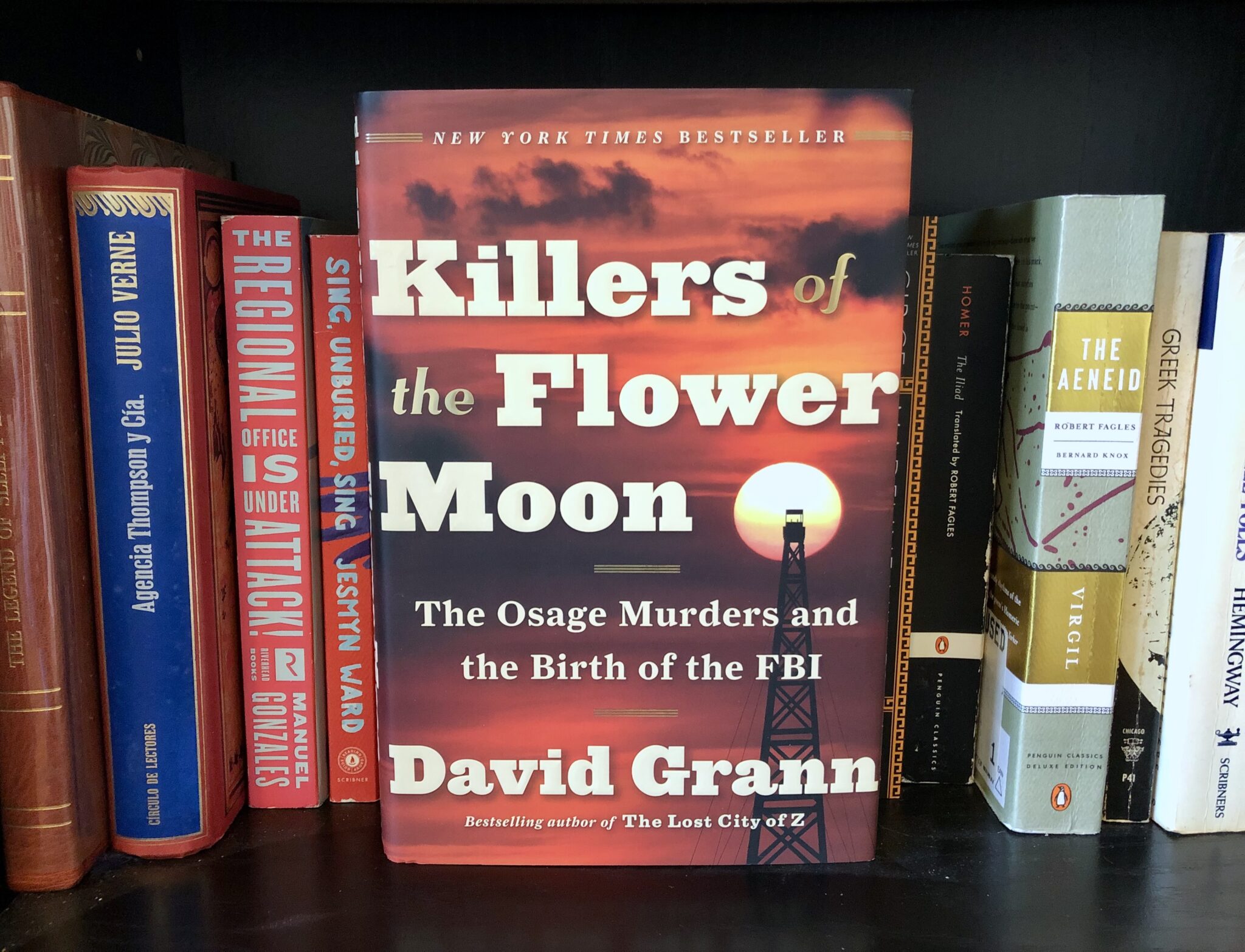
Before David Grann published his historical fiction novel “Killers of the Flower Moon” in 2017, Osage Nation citizen and poet Elise Paschen said he reached out to her.
He had found Paschen’s poem that included the phrase “killers of the flower moon,” printed out for display on his desk and told her in 2010 that it was helping him write his book.
The story of the poem, the book, the film, it all begins once Osage Nation citizens found wealth after oil was discovered on land reserved for them. Non-Native families married into Osage families in the 1920s, attempting to gain inheritance of the mineral money the family made off the land. This often ended in vicious murder schemes, as depicted in “Killers of the Flower Moon.”
While these historical truths weren’t a secret prior to 2023, the story of the Osage Reign of Terror never saw the national spotlight until Martin Scorsese’s film adaptation.
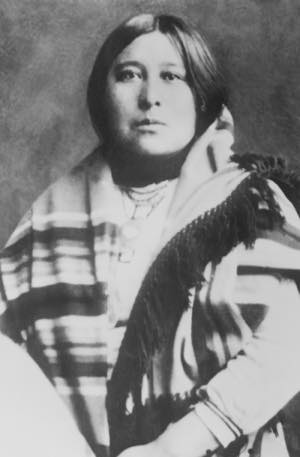
Mollie Burkhart (played by Lily Gladstone) married Ernest Burkhart (Leonardo DiCaprio) for love, but his family targeted Mollie’s family members in a series of murders, hoping to take their oil profits. This left not only Mollie’s family with grief and trauma, but also the small town they were in.
Mitchell said his grandmother’s house was behind the home where Mollie’s sister Reta lived.
“They were awakened at midnight,” Mitchell said of the explosion his grandmother felt from next door, which was depicted in the movie. “Windows were blown out, and they had to go through all of that.”
‘We know we made progress’
An official endorsement letter from the Osage Nation states that the filmmakers and actors did justice to their people. It emphasizes Gladstone’s depiction of the grace and stoicism of Osage women.
Pamela Shaw, an Osage citizen, spoke Sunday about the quickly assuaged concerns Osage women shared about how they would be portrayed in such a major film.
“The love and care Lily Gladstone put into this role goes far beyond acting and has given us the opportunity to cry, smile and perhaps even heal just a little from the unspeakable terror our people experienced,” Shaw said.
Osage Nation Congresswoman Jodie Revard also commended Gladstone for her “enthusiasm, dedication and contributions” to the film, and for the respect she showed the Osage people.
Among the emotional high points for many during the Oscars was a performance by the Osage Tribal Singers.
Singer and composer Scott George was the first Native American to land an Oscar nomination for best original song, “Wahzhazhe (A Song For My People).”
The broadcast showed some of the biggest names in Hollywood applauding the Osage drum circle with tribal singers and dancers, which Scott’s family agreed was a point of pride.
Renita Logan said she was disappointed her cousin couldn’t take home the trophy.
“Scott is a very humble person, and he deserved to win. It was really hard, but I know he’s happy to be honored by the nomination he had,” she said.
Robin Logan, a second-cousin of Scott’s, said even without an Oscar win for the film, “it’s a step in the right direction. We know that we made progress, and that’s all that we ask for.”