
Shirley Sneve
ICT
Indian Health Service doctors are reporting a sharp rise this winter in infectious diseases, including pneumonia, RSV and other respiratory viruses, flu and COVID cases, epidemiologist Dean Seneca told ICT.
Cases of so-called “walking pneumonia” have been particularly high among young children in recent months, health officials reported, although records were not available for specific numbers of cases in Native communities.
“Pneumonia is really, really high, all of the influenza viruses and all of the respiratory illnesses are very high right now,” said Seneca, who is chief executive of Seneca Scientific Solutions in New York and a citizen of the Seneca Nation.
SUPPORT INDIGENOUS JOURNALISM. CONTRIBUTE TODAY.
“They’re all past epidemic proportions,” he said. “The big three — flu, COVID-19 and RSV — are extremely high right now … It’s getting ugly out there, folks.”
The Centers for Disease Control and Prevention reports that respiratory illnesses are easily spread in indoor winter activities and that people should take extra precaution to prevent the spread of the illness.
The Johns Hopkins Bloomberg School of Public Health in Baltimore warns that cases of walking pneumonia have been rising since last spring among children.
Seneca said walking pneumonia can be particularly dangerous.
“Walking pneumonia has the symptoms of having pneumonia, but very mild and you don’t have a fever,” he said. “With pneumonia, you usually do have a fever and the systems are pretty severe. So as people are walking around with pneumonia, they’re easily able to transmit the virus from person to person.”
According to Johns Hopkins, individuals may be contagious for a week or longer if immune systems are weak.
Related stories:
—COVID-19 cases rise across Indian Country
—Indigenous communities face health-related triple threat
Seneca said people should be careful not to spread the illnesses to others.
“Not a lot of people have sick time and can’t take off because they’re ill,” he said. “In those cases, people that are ill should take extra caution, consider wearing a mask, safe social distancing, and wash your hands and wash surfaces, because that’s how a lot of these viruses are spreading.”
Seneca said he is also concerned about the rise of H5N1, or bird flu, which can also affect cattle and humans.
“It’s pretty alarming and pretty much every health department and every epidemiologist throughout the country is really watching for this,” Seneca said. “When a bird has this virus, the birds end up dying … But we’re seeing a really high transmission among cows, and from cow to cow. And it’s really hard to tell if the cow is sick or has the virus. And we’re seeing that transmission because of transferring equipment from one cow to the next.”
Cases are now increasing among humans as well, Seneca said.
“We have nearly 100 cases in the country of H5N1 in people,” he said. “There is an alarm that’s kind of set off among all epidemiologists throughout the whole country because this could easily be the next pandemic.”
Key methods of prevention are to avoid handling livestock and to keep the work environment clean, since the virus resides on surfaces for quite a while, he said.
More infoThe Centers for Disease Control and Prevention offers these suggestions for the prevention and control of seasonal illnesses such as flu, pneumonia and COVID:
More info
The Centers for Disease Control and Prevention offers these suggestions for the prevention and control of seasonal illnesses such as flu, pneumonia and COVID:
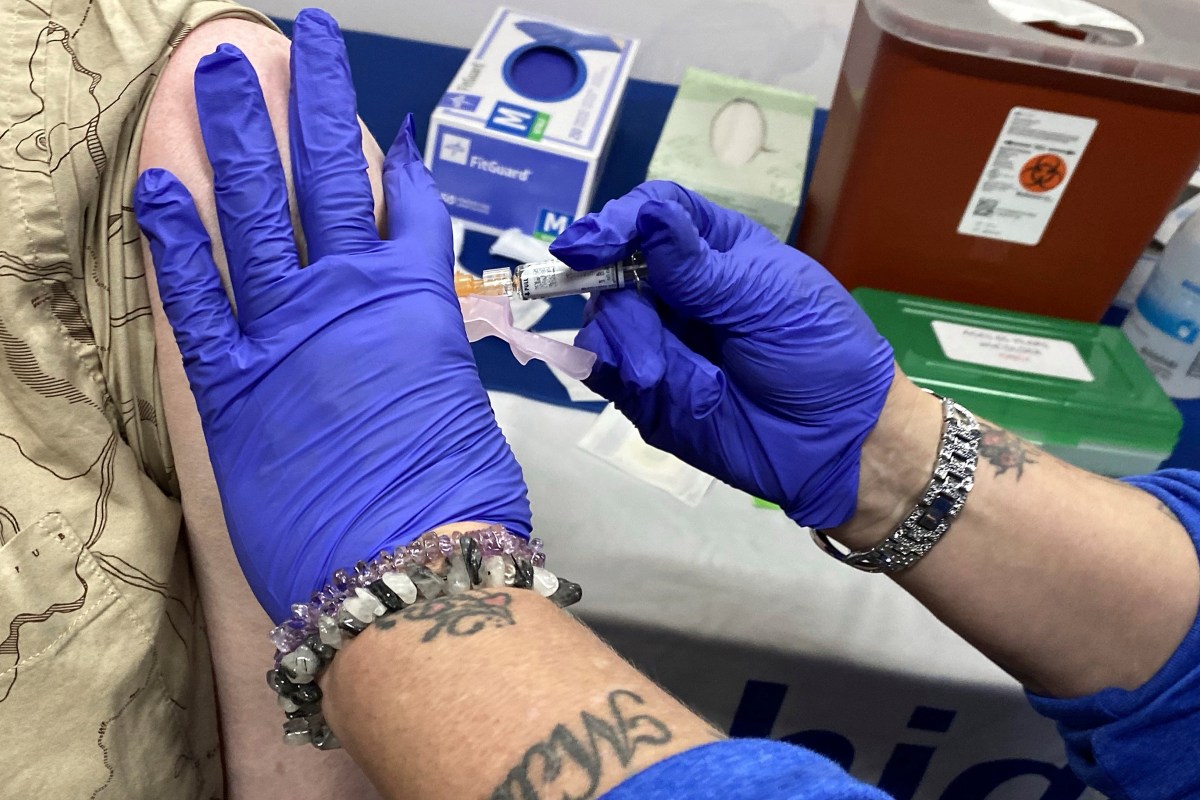
*Get a vaccine for flu, COVID and pneumonia. The CDC recommends regular vaccines for those who are at high risk, particularly the elderly or those with other health problems.
*Take precaution to avoid the spread of germs. Avoid people who are sick. If you’re sick, limit contact with others as much as possible until you have stopped running fever for at least 24 hours and your symptoms are improving.
*Wash your hands regularly with soap and water. Wipe down surfaces.
*Cover your nose and mouth when you cough or sneeze, and dispose of tissues. Avoid touching your eyes, nose or mouth to prevent the spread of germs.
*Wear a mask when around others.
*Try to meet outdoors when possible rather than in crowded, indoor settings.

This story was produced with help from funding from the W.K. Kellogg Foundation.
Our stories are worth telling. Our stories are worth sharing. Our stories are worth your support. Contribute today to help ICT carry out its critical mission. Sign up for ICT’s free newsletter.

