
Miles Morrisseau
ICT
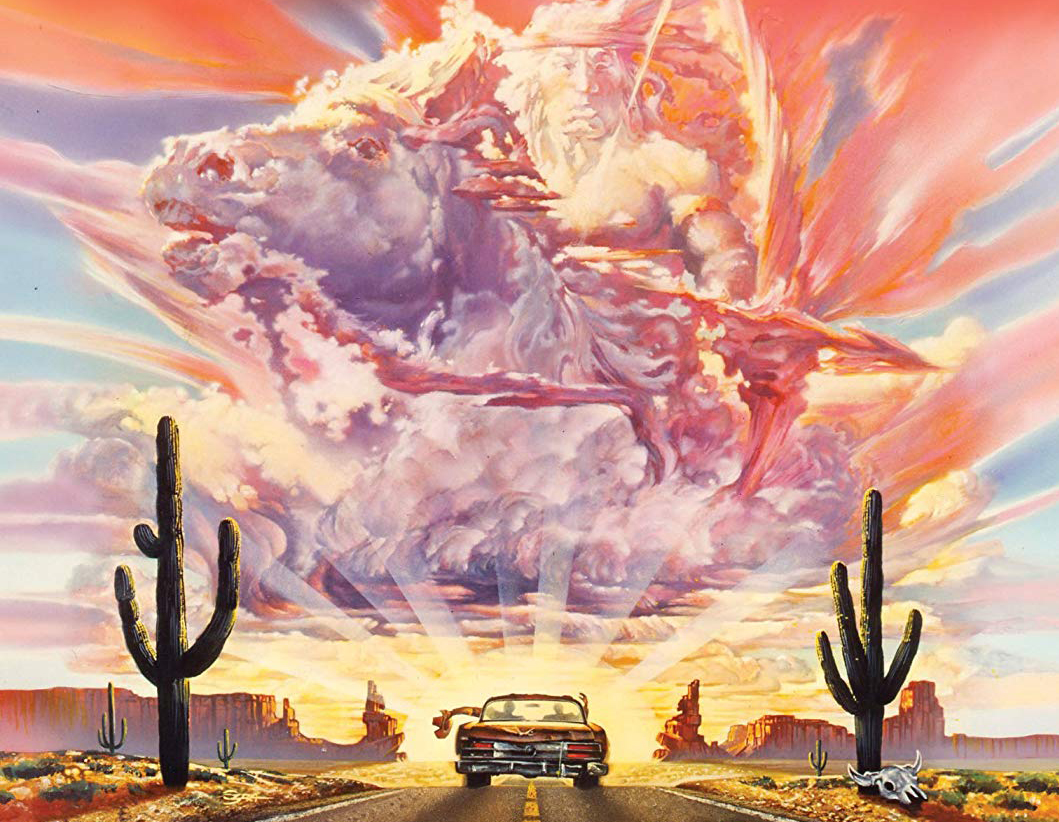
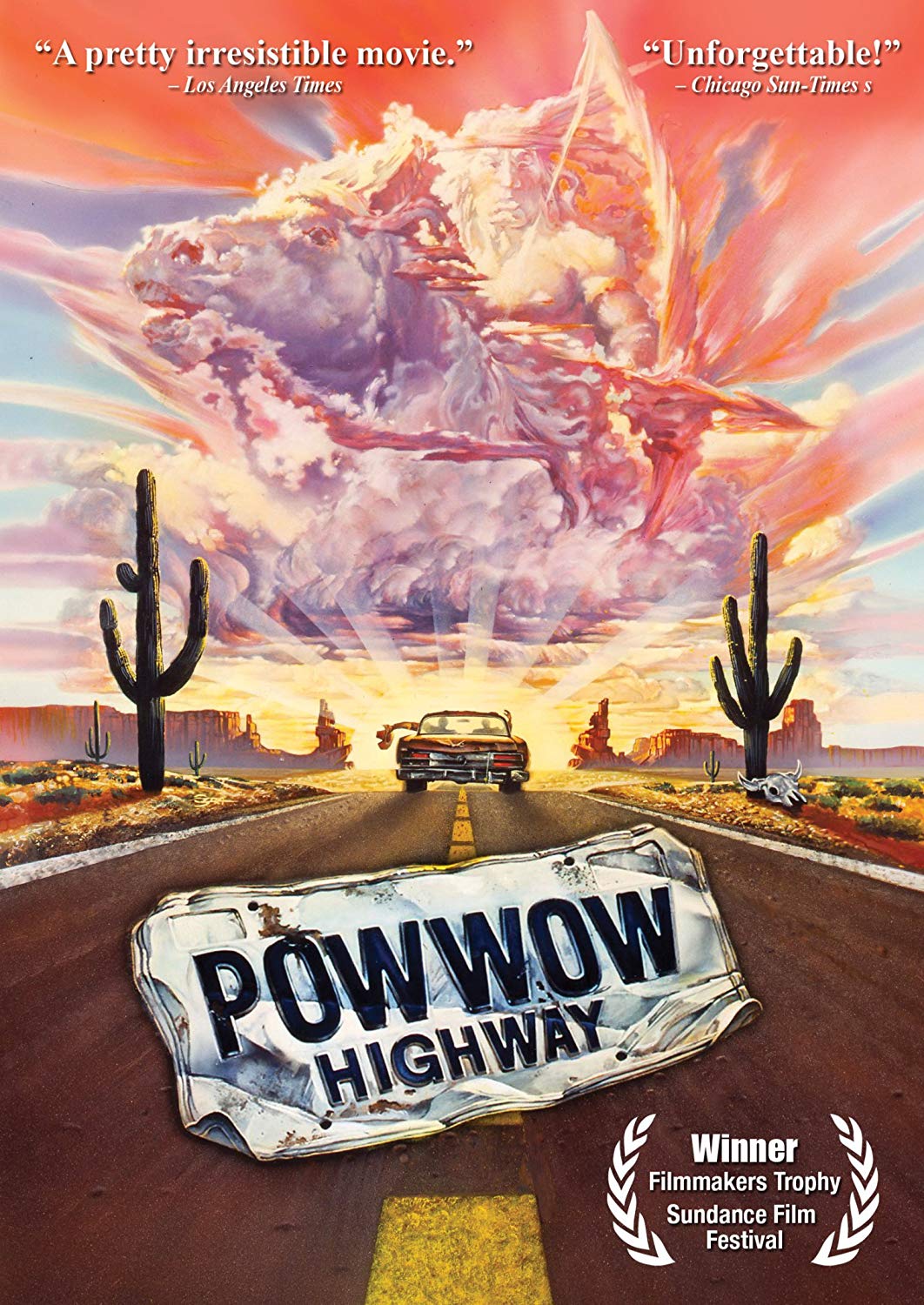
The irrefutable Indigenous film classic “Powwow Highway” is joining the greatest American film collection of all time – the Library of Congress National Film Registry.
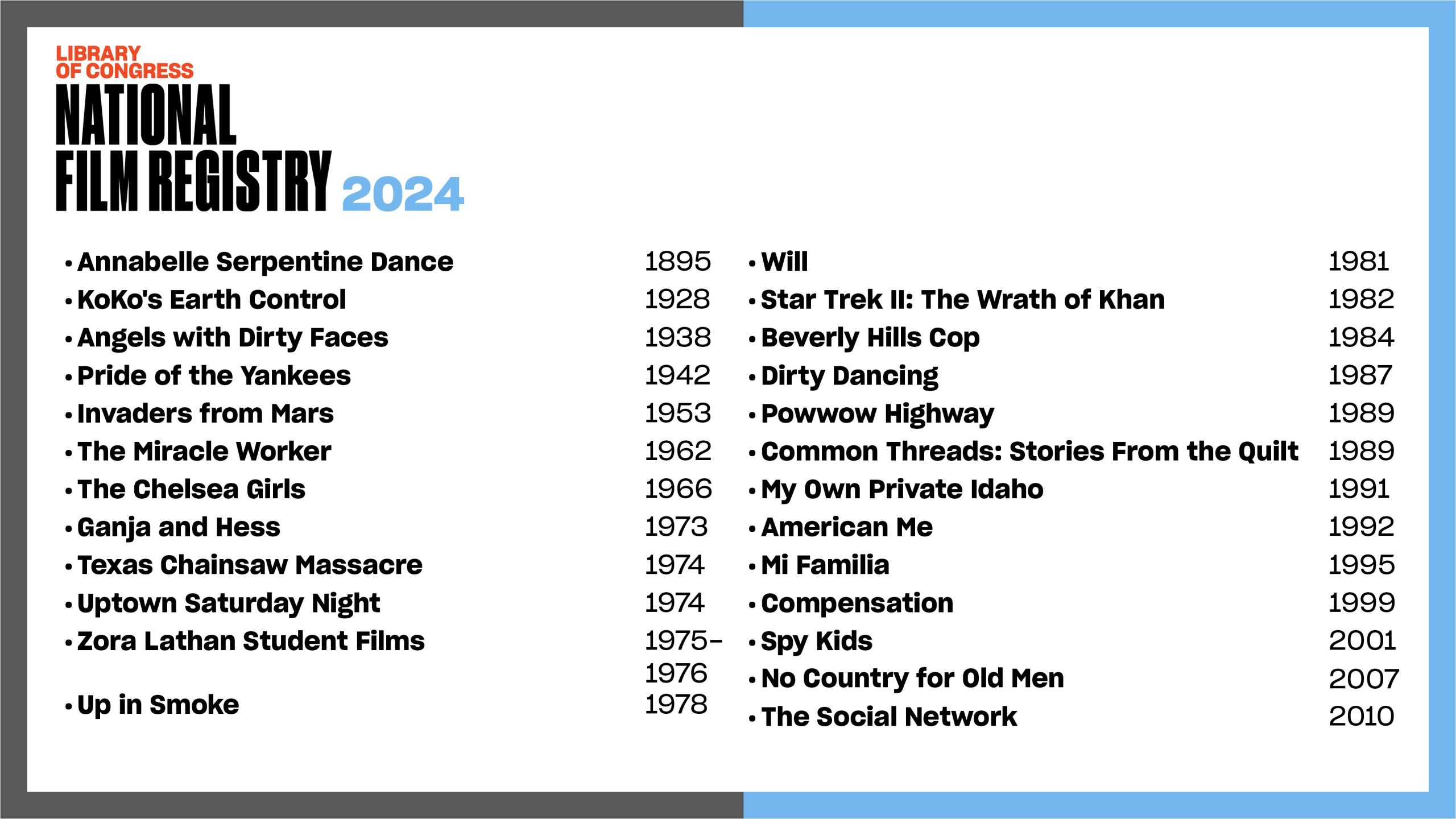
The film — starring Indigenous actors A Martinez and Gary Farmer — is among 25 films selected for the registry for 2024 because of their “cultural, historic or aesthetic importance to preserve the nation’s film heritage,” the Library of Congress announced Tuesday, Dec. 17.
SUPPORT INDIGENOUS JOURNALISM. CONTRIBUTE TODAY.
Inclusion on the registry is one of the highest honors in film and ensures that the work is preserved for future generations.
“Films reflect our nation’s history and culture and must be preserved in our national library for generations to come,” Librarian of Congress Carla Hayden said in a statement. “We’re honored by the responsibility to add 25 diverse new films to the National Film Registry each year as we work to preserve our cultural heritage. This is a collective effort in the film community to preserve our cinematic heritage, and we are grateful to our partners, including the National Film Preservation Board.”
The 2024 selections bring the number of titles in the registry to 900, an exclusive list that includes a diverse group of films, filmmakers and Hollywood releases. The selections span from a silent film created to entice audiences at the dawn of cinema in 1895 to the newest selected film, “The Social Network,” a 2010 drama about social media.
This year’s group also includes popular Hollywood releases, including “Star Trek II: The Wrath of Khan,” from 1982, which is the first “Star Trek” film to make the list, and actor Eddie Murphy’s first feature film on the registry, “Beverly Hills Cop.”
A number of films from diverse and independent voices are also among this year’s class, including “Uptown Saturday Night,” “My Own Private Idaho,” “Texas Chainsaw Massacre” and the stoner classic, “Cheech and Chong’s Up in Smoke.”
“Powwow Highway,” considered a comedy-drama, came from George Harrison’s HandMade Films and was directed by Jonathan Wacks. Jean Stawarz wrote the script with Janet Heaney, based on the novel, “Powwow Highway,” by David Seals.
“It is an immensely proud honor for the filmmakers of ‘Powwow Highway’ and the Indigenous peoples represented in the story to have the film inducted into the Library of Congress National Film Registry,” Starwarz told ICT in an email.
‘It is a timely honor that this film takes its rightful place as part of the American tapestry of Indigenous films and be recognized in the larger cultural field of the iconic films whose stories and histories have reflected and shaped the Native American experience.”
Native renaissance
“Powwow Highway” was released in 1989 and captured a moment in history when Indigenous spirituality, activism, music and art began another renaissance.
In some ways the film ignited that renaissance; it was unlike any film that had ever been made. On the surface, it is filled with Hollywood tropes — a road movie, a fish out of water, a buddy comedy, an underdog against the system and a John Steinbeck “Of Mice and Men” partnership between the brutal realist paired with a simple man.
The difference was that it was an Indigenous story with an Indigenous friendship, and the messages within the plot resonated with Indigenous people across North America.
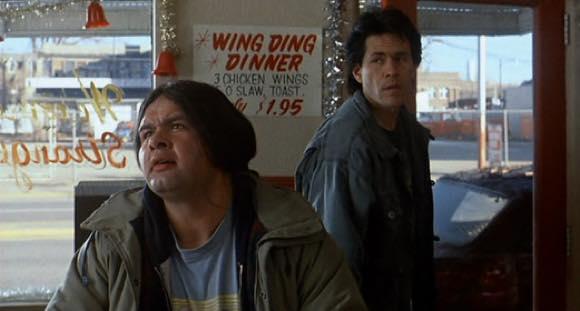
Martinez, who is Mexican, Apache and Piegan Blackfeet, played the lead character, Buddy Red Bow, and his relationship and political activism drive the story. His unlikely partner, Philbert, is played by Gary Farmer, Cayuga from Six Nations of the Grand River. It is Philbert who gives the film the grounding in Indigenous spirituality that elevates it beyond another buddy comedy.
The film also featured actors Joanelle Romero and Amanda Wyss, as well as a who’s who of Indigenous actors in minor and memorable roles, including Margo Kane as a mom tired of violence, Graham Greene as a scarred Vietnam veteran, Wes Studi as a good-timing Indian cowboy and John Trudell as a disgruntled band member.
The film kicked off Farmer’s storied career. When the movie was released, legendary Chicago Sun-Times film critic Roger Ebert raved about the film, especially the performance by Farmer.
“One of the reasons we go to movies is to meet people we have not met before. It will be a long time before I forget Farmer, who disappears into the Philbert role so completely,” Ebert wrote. “We almost think he is this simple, openhearted man – until we learn he’s an actor and teacher from near Toronto. It’s one of the most wholly convincing performances I’ve seen.”
Ebert gave the film his legendary thumbs up and three out of four stars.
Farmer told ICT recently that he was working in theater when he got the opportunity to play Philbert.
“I was in a live musical where I was dancing and singing, and fell in love with one of the chorus girls,” he told ICT over Zoom. “I was in Montreal, having the time of my life, when all of a sudden they say, ‘We’re giving you this job.’ And, you know, I’m an Eastern Great Lakes Indian. I’m not from Lame Deer, Montana.”
He understood, however, that the character’s spiritual journey was his own. He went to Lame Deer and found a teacher in Jimmy Red Cloud, who connected him to the powwow and the sweat lodge and the people that are the heart of this story and his character.
“Jimmy taught me everything. He handed me that role,” Farmer said. “And then my ability as a clown, as an actor, as a performer.”
Stawarz said Farmer was a perfect match for the character of Philbert.
“When I first met Gary Farmer, I knew we had not just found an actor who could play Philbert, but an actor who could, and would, be Philbert, with all his quirks and nuances,” Stawarz told ICT via email. “Gary ‘got’ Philbert as we had written him and took the character farther and deeper by embracing the culture of the Northern Cheyenne.”
The spiritual journey Farmer started with “Powwow Highway” continued into his career, and he would fast and sweat again when he was cast in the 1995 film, “Dead Man,” with Johnny Depp. The film’s writer/director Jim Jarmusch wrote the character of “Nobody” for Farmer.
“The relationship with Jimmy Red Cloud and how it started with ‘Powwow Highway,’ and then Jim hired me, mainly because of my character I played in ‘Powwow Highway,’” Farmer said. “So that film … not only launched my career, but it launched my spiritual life. I grew up as a Christian, you know? I mean, I was forced to be a Christian. I knew there was something different. I mean, I knew my long house, but we didn’t grow up long-house people.”
Indigenous realities
The film is loaded with tropes that are true, but the reality of Indigenous life – both historical and contemporary – had never been shown in such an authentic way.
The poverty in the communities was stunning to anyone who had never seen Indigenous poverty. It also addressed the issues of environmental degradation and the demands of resource extraction on traditional and treaty lands, as well as corruption at the local and federal level. There is a lot going on in this movie.
The movie also came at a time when the late Robbie Robertson, Mohawk from Six Nations of the Grand River, began to reconnect with his Indigenous roots. The legendary founder of The Band, and songwriter of classics like “The Weight” and “The Night they Drove Old Dixie Down,” provided the unforgettable soundtrack for the movie.
Not known for his singing voice, Robertson’s plaintive wail echoes the longing for spiritual reconnection that Philbert and many Indigenous people desperately seek.
The timing of the honor from the Library of Congress coincides with yet another trope that hits a little differently this time of year. Because, yep, “Powwow Highway” is also a Christmas movie.

Our stories are worth telling. Our stories are worth sharing. Our stories are worth your support. Contribute today to help ICT carry out its critical mission. Sign up for ICT’s free newsletter.

