

Renata Birkenbuel
ICT
Red Lake Nation College in Minnesota will open an innovative tribal education offshoot institution: a tony, $16 million urban site for students in the heart of downtown Minneapolis at 900 S. 3rd Street.
Educators, students and media toured the new space in an old building during the recent American Indian Higher Education Consortium in Minneapolis. Still under renovation, the brick, former small-manufacturing business building on a mini-block is set to open in May for Red Lake Nation students.
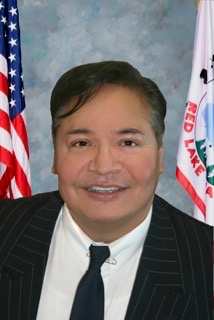
Dan King, 14-year Red Lake Nation College president and Red Lake Tribal Council hereditary chief, said student demand called for a second site.
Minnesota state funds and federal grants helped pay for the new site.
“As the first Tribal College located in a major urban population center, we are proud that we are serving the urban population of Natives for higher education,” said King.
“We serve this unique market niche that no one else is serving, where we provide higher education, combined with Native language, culture, pride and historical perspective from a Native viewpoint,” he added. “This does not exist elsewhere other than at Tribal Colleges like RLNC. This is why it is so important to offer this to our people.”
The Higher Learning Commission recognizes Red Lake Nation College as an accredited institution.
“We can’t call it a campus yet ’cause we’re not quite at that level,” King said, “but basically we serve all the Red Lake tribal members – and the natives who live in the Twin Cities area, which is one of the largest urban population centers of natives in the country. It’s about 50,000 natives in the entire city.”
About half of the 18,000 Red Lake Nation tribal members live in Northern Minnesota and the other half live in the Twin Cities, he said, adding that Red Lake Nation College has recorded between 25-to-42 percent enrollment increases the past few years.
“We’re anticipating at least that next year, so probably closer to 50 percent with the opening of our new site,” he said.
In turn, class attendance – virtual, in-person or hybrid – retention and graduation rates have increased, too, at the college.
That’s good news for a tribal college, as the uptick in enrollment is opposite of general enrollment drop-offs across the nation at colleges of all kinds.
“We’re going straight up in growth, whereas most schools are going down or leveling off, and it’s across the nation in education,” he added. “Everything’s kind of flattening out.”
The key to continued success? Remain student-centered and listen.
“We just started serving our members who were saying, ‘Hey, that’s great. We have a tribal college up on the reservation, but what about us? You know, we want a tribal college down here we could go to,’” King said.
Before administrators knew it, they had 50 students who voiced a desire to bump up from taking courses part-time.
After urban tribal members prompted the college to invest in solid software and offer online classes before and during the COVID pandemic, full-time students stepped up, too. Many Red Lake Nation College students raise families, work jobs and must work around hectic lives.
“So then we said, ‘Hey, we got something here. And then we were getting our college ready for adapting to the modern times of people wanting to attend classes online,” said King.
Rachele Donnell, registered nurse and a Board of Regents governing member of the college, was one of a handful of faculty giving tours of the new multi-level space during the recent American Indian Higher Education Consortium a few blocks away in downtown Minneapolis.
While construction continues on the remodel, local students temporarily take in-person classes across a parking lot within sight of the new space. Bolstering the virtual course offerings will make a big difference, said Donnell.
“So that way students take the class wherever they are. So you’re accommodating the class, the students, their lifestyles, their work schedules, their family,” she said.
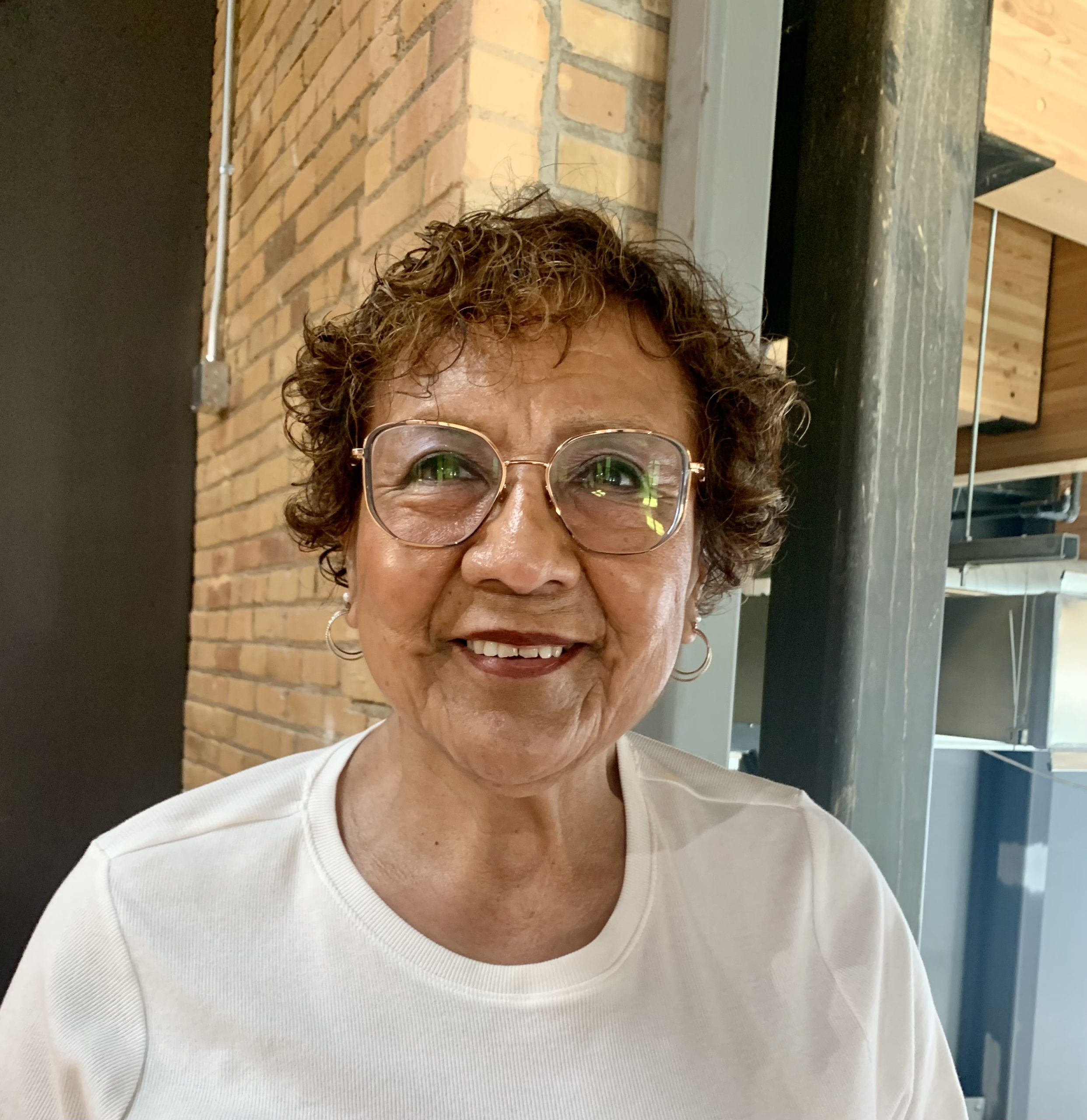
“At first we had decided to keep in all the brick, old brick and stuff,” said Donnell. “And same way with the hardwood floors. And this actually was a business manufacturing business. When we bought the building, we just decided to keep all of the stuff intact.”
The new site will offer a full-service counseling center and nursing courses, making it easier for urban students to drop in at their convenience.
“We here serve Minneapolis students, but I’m also available virtually, so I help out with anybody who wants to contact virtually, because the Red Lake reservation is four hours away,” said Life Vision Coach Cheryl-Leigh Goodman, one of two wellness therapists, Menominee Indian Tribe of Wisconsin and Red Lake, White Earth and Forest County Potawatomi Nations descendant. “I’m able to meet with them through texting, Facetime, whatever works for that person. We’re considered one campus because they do have a therapist up there, as well.”
About 80 percent of Red Lake Nation College students aim to become first-generation college graduates, so some students may need extra support while navigating higher education.
“We connect with our students through their culture and their language,” said King. “And, and I like to say we’re in the people business, so we build people up, we build up their confidence, we build up their academic skills, we build up their pride in themselves.”
Students Matt Patrick and Ian Ekstrom, who attend the main campus in Red Lake, are excited about the Minneapolis site. In the city recently for the AIHEC conference, they attended the student awards banquet.
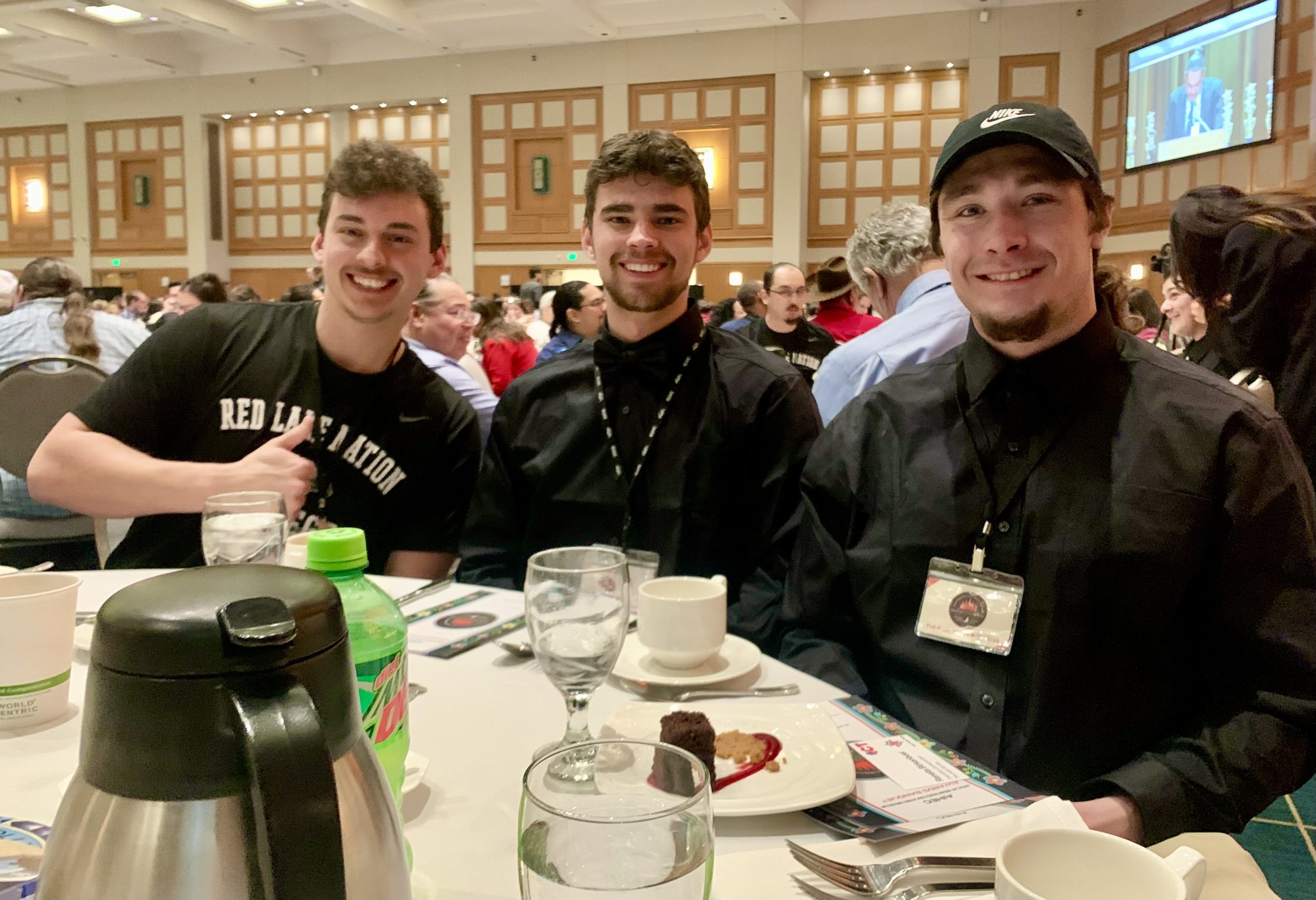
“I definitely would visit if I’m ever in Minneapolis,” said Ekstrom, Red Lake Nation. “It’s really nice – a nicer campus than we have.”
It’s important, too, that students learn in the classroom from mentors who look like them, said King.
“Our instructors and staff and faculty are 70 percent Native American, which is very impressive for college,” King added.
It’s obvious that much pride, work and planning went into the new urban college site.
“It’s going to be beautiful,” said Donnell, speaking from the open second floor as construction workers pounded away and tour guides led visitors through the building.

Our stories are worth telling. Our stories are worth sharing. Our stories are worth your support. Contribute $5 or $10 today to help ICT carry out its critical mission. Sign up for ICT’s free newsletter.
This story was corrected to show accreditation for Red Lake Nation College is not in progress and that the Higher Learning Commission recognizes Red Lake Nation College as an accredited institution.

