
This story was originally published by WyoFile
Katie Klingsporn
WyoFile
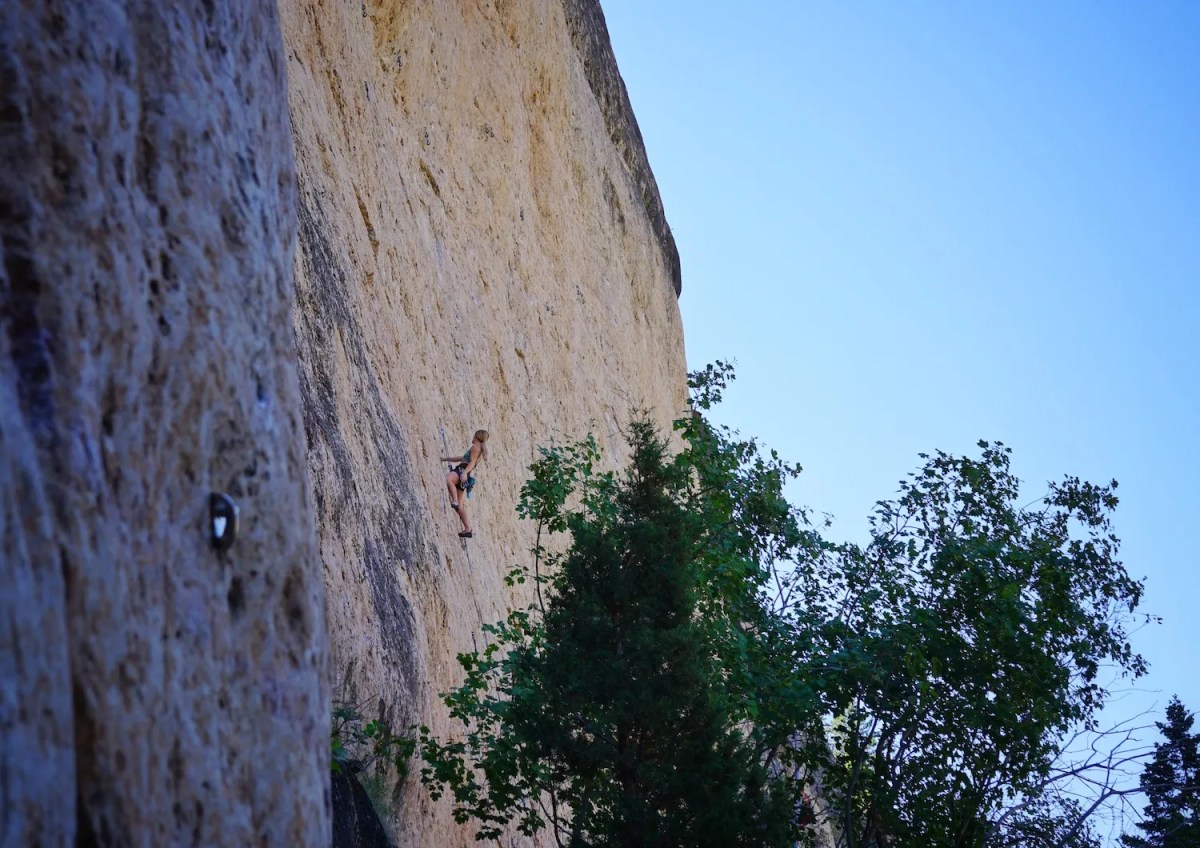
Climbing advocates are urging the public to oppose the proposed rollback of the Roadless Rule, which could open up prized Wyoming climbing zones such as the Wind River Range and Tensleep Canyon to activities like roadbuilding and timber harvesting.
The rescission of the federal rule, said Access Fund Policy Analyst Katie Goodwin, would leave tens of millions of national forest acres across the U.S. susceptible to the kind of activity “that could impact the very qualities that draw people to these places.”
Qualities like wildness, serenity and solitude, she said.
In Wyoming, the proposed repeal would impact the management of 3.26 million acres. Those areas range from swaths of the Bridger-Teton National Forest and Bighorn National Forest to smaller tracts near the Flaming Gorge Reservoir and Medicine-Bow National Forest. It would encompass areas popular for outdoor recreation like climbing.
For climbers, according to the Access Fund, the proposed rescission is “another attack on the lands we love.”
A comment period on the USDA Forest Service proposal to develop an environmental impact statement for the change closes Friday night. As of Tuesday, more than 1 million comments had poured in.
The rule has been challenged before, and the latest push is driven largely by President Donald Trump’s executive order aimed at eliminating excessive regulations.
While conservation and outdoor groups criticize the move, proponents say the rescission is necessary for the common-sense management of forests in a new reality of wildfire risk.
“For nearly 25 years, the Roadless Rule has frustrated land managers and served as a barrier to action — prohibiting road construction, which has limited wildfire suppression and active forest management,” Forest Service Chief Tom Schultz said in a release.
Today’s forests, he added, are dangerously overstocked and threatened by drought, insect-borne disease and other factors.
“It’s time to return land management decisions where they belong — with local Forest Service experts who best understand their forests and communities,” he said.
‘Burdensome, outdated’
The 2001 Roadless Rule established prohibitions on road construction, road reconstruction and timber harvesting in nearly 60 million acres of inventoried roadless areas. Today, the Roadless Rule applies to nearly 45 million acres of national forest lands.
In its 25-year history, the rule has been subject to numerous lawsuits aimed both at dismantling and preserving it.
In June, U.S. Department of Agriculture Secretary Brooke Rollins announced the intent to rescind the rule, which she called “disastrous.” The move would aid Trump’s goal of opening America up to more logging, she said, and would place more control in the hands of local governments.
In late August, the USDA Forest Service published notice that it intends to develop an environmental impact statement for the proposal, opening the comment period that runs through Friday.
When the comment period opened, Rollins, in a statement, touted the rescission as “a critical step forward” in Trump’s commitment to restoring local decision-making.
“This administration is dedicated to removing burdensome, outdated, one-size-fits-all regulations that not only put people and livelihoods at risk but also stifle economic growth in rural America,” she said.
What they are saying
Outdoor Alliance, the same organization that created a digital map for U.S. Sen. Mike Lee’s proposal to sell off public lands earlier this year, also created an interactive map showing where roadless designations are currently.
The designation impacts more than 25,000 trail miles, nearly 800 miles of whitewater paddling runs and close to 8,700 climbing routes and bouldering problems, Outdoor Alliance estimates.
The proposed repeal “would devastate America’s backcountry public lands and the millions of people who rely on them for outdoor recreation, clean air and water, and climate resilience,” Outdoor Alliance said in a call to action.
The rule already offers flexible protections for recreation access and allows for necessary active management to address wildfire or other public safety concerns, OA asserts, making it a common-sense measure.
Rescission advocates, however, say the fire danger in some roadless areas has become a critical hazard.
The week before Rollins’ June announcement, Lincoln County Commissioner Kent Connelly told state lawmakers the lack of logging in the roadless-designated Salt River and Wyoming ranges puts Star Valley communities at grave risk from wildfire.
“Alpine is totally in trouble if we catch the Greys River on fire,” Connelly said. “There’s no way to defend it. Or Star Valley Ranch. That’s all there is to it. You’re going to have to watch it burn.”
Tribal representatives, meanwhile, have come out in opposition, saying the administration acted without legally required consultation on a rollback that could negatively impact access to cultural foods, animals and other resources.
“Removing the Roadless Rule will lead to the destruction of Indigenous sacred places, areas where we continue to practice our traditions and cultures and are supposed to be legally protected by law,” Judith LeBlanc, executive director of Native Organizers Alliance, said in a statement.

