

Indian Country Today
Republicans in North Dakota are denouncing a plan by the Biden administration to reduce methane emissions while some tribal citizens are applauding the proposal.
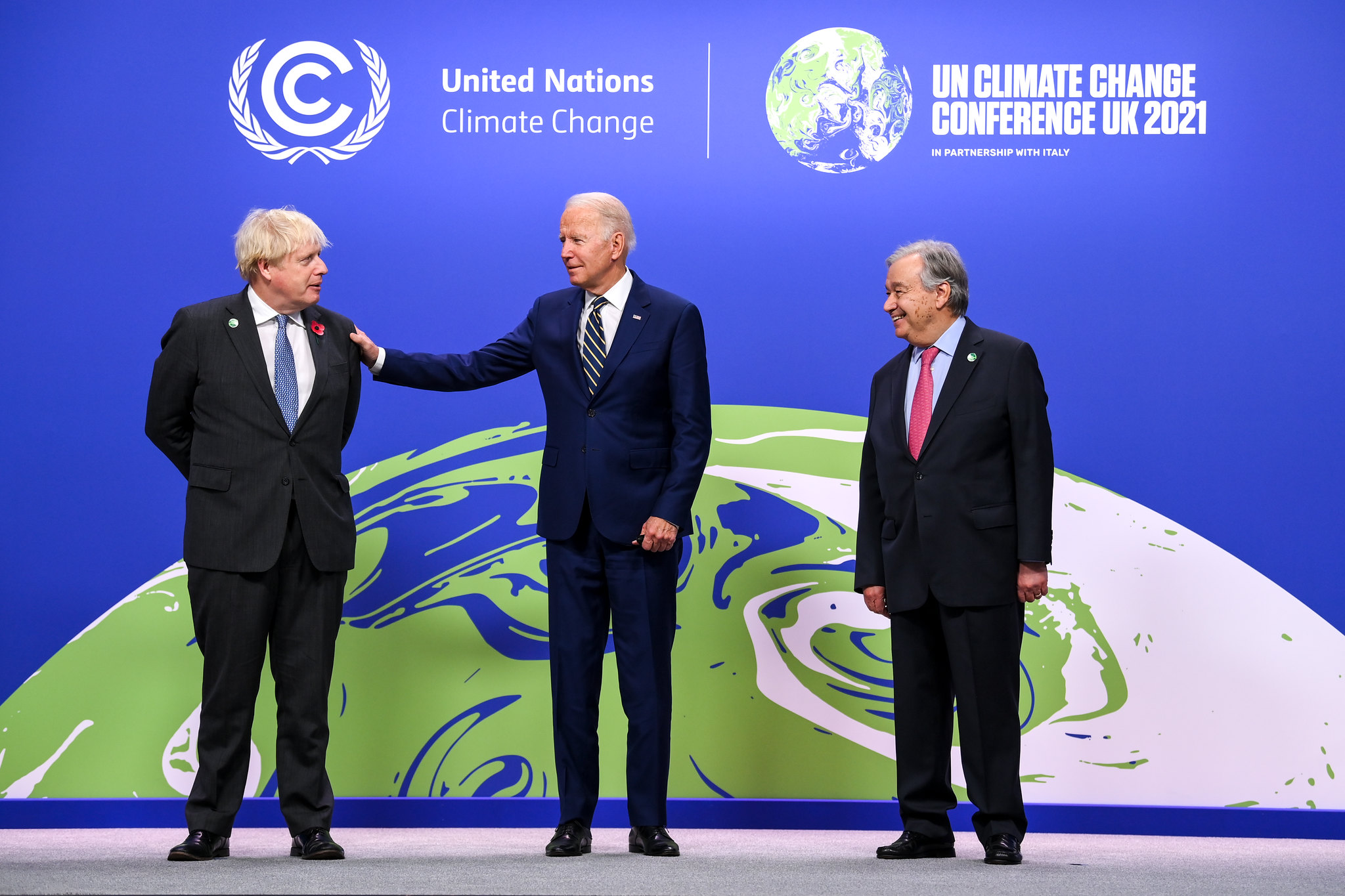
President Joe Biden announced the plan on Tuesday at a United Nations climate summit in Glasgow, Scotland.
North Dakota Gov. Doug Burgum said there is no need for more regulations because it would drive energy production overseas.
The plan calls for working with other nations to reduce overall methane emissions by 30 percent by 2030.
The centerpiece of U.S. actions is a long-awaited rule by the Environmental Protection Agency to tighten methane regulations for the oil and gas sector, as laid out in one of Biden’s first executive orders.
EPA Administrator Michael Regan said the new rule, established under the Clean Air Act, would lead to significant reductions in methane emissions and other pollutants and would be more strict than a 2016 standard set under President Barack Obama. Congress reinstated the Obama-era standard last summer.
The Interior Department, meanwhile, is preparing to crack down on methane waste burned at drilling sites on public lands. And the Agriculture Department is working with farmers to establish so-called climate-smart standards to monitor and reduce greenhouse gas emissions and increase carbon storage.
According to the Bismarck Tribune, environmental groups say methane reduction is the fastest and most cost-effective way to slow global warming. Members of the Dakota Resource Council pointed to severe drought and rampant wildfires as examples of the effects of climate change.
“The people of my tribe, the Three Affiliated Tribes, have lived on and cared for our land for millennia. We hold all of Mother Earth Sacred, including the air,” Lisa DeVille told the Bismarck Tribune.
She’s the founder of Fort Berthold Protectors of Water and Earth Rights, a Dakota Resource Council affiliate.
She continued, “Since the start of the Bakken oil boom, the oil and gas industry has polluted our air and harmed our health by flaring and venting methane from wells and pipelines. It is time for the U.S. government and the EPA to look out for the health and well-being of the Indigenous communities like mine, and the health of Mother Earth, by finalizing a strong rule curbing harmful methane emissions.”
The wide-ranging plan to reduce methane emissions includes a long-awaited rule that targets reductions from existing oil and gas wells nationwide. Previous reductions only targeted new wells.
“Is it going to happen? Are they really going to do it? I do think a lot about that because I, you know, we’ve been lied to so many times,” DeVille said. “I want to make sure that my grandchildren and our future generations’ air, you know, air is clean and they have clean, clean land and they have clean water.”
DeVille says there’s a need for a comprehensive baseline study and leadership that won’t cave to oil and gas industry wants.
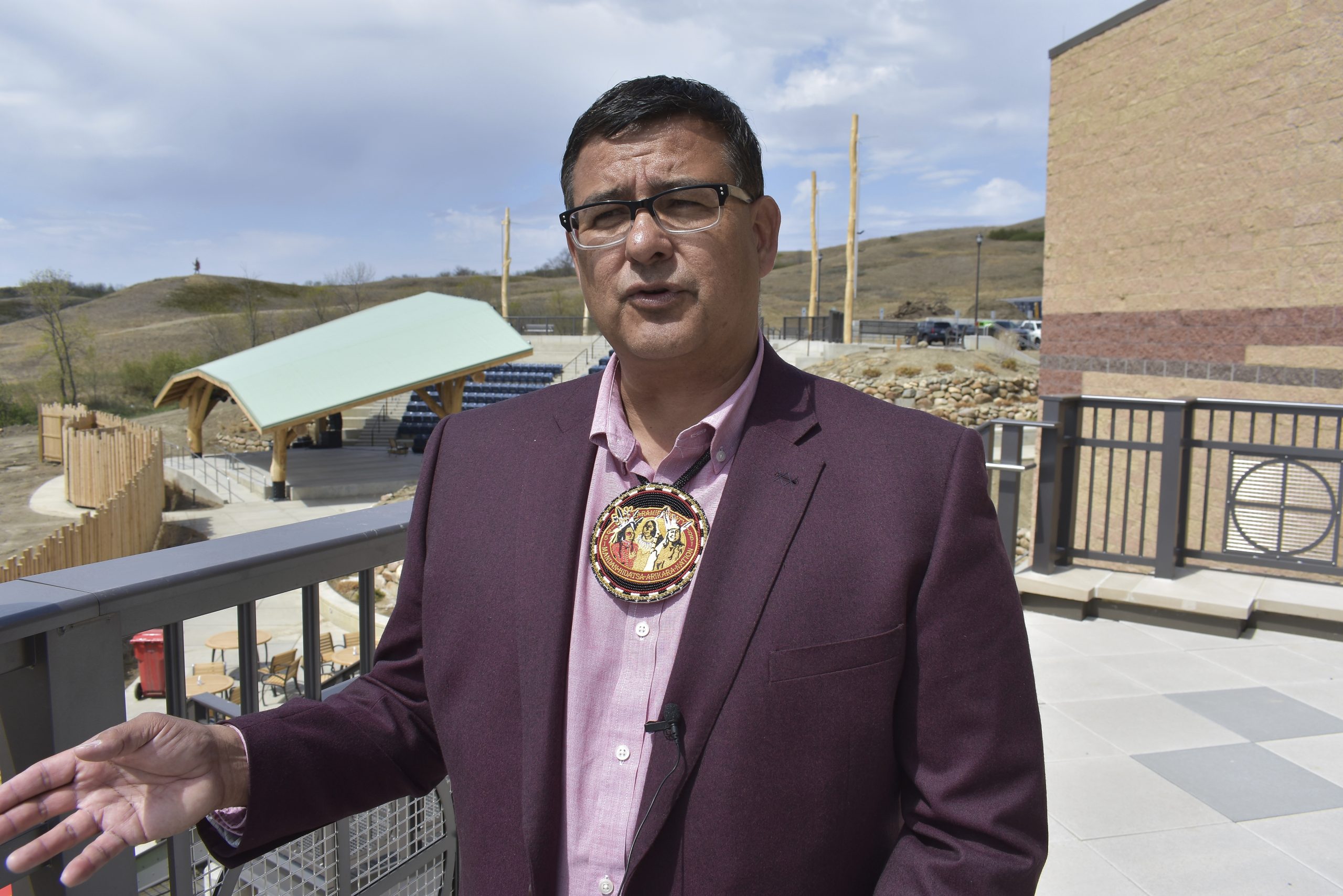
The Mandan Hidatsa Arikara Nation in North Dakota is neutral on Biden’s reduction proposal.
“We have not taken a formal position to denounce or oppose Biden’s plan to reduce methane gas emissions. We believe our energy development can collaborate effectively with federal regulations and policy,” Chairman Mark Fox said in a statement to Indian Country Today.
North Dakota has a history of suing over federal rules that target its coal and oil industries.
Burgum wants to maintain robust oil and coal industries in North Dakota and thinks innovation is the key to carbon neutrality in the state.
The Republican congressional delegation agrees. Sen. John Hoeven said providing regulatory relief would empower the industry to invest in the facilities needed to capture and make good use of methane.

ICT reporter Carina Dominguez and The Associated Press contributed to this report.

