
Greetings, relatives.
A lot of news out there. Thanks for stopping by ICT’s digital platform. Each day we do our best to gather the latest news for you.
Okay, here’s what you need to know today:
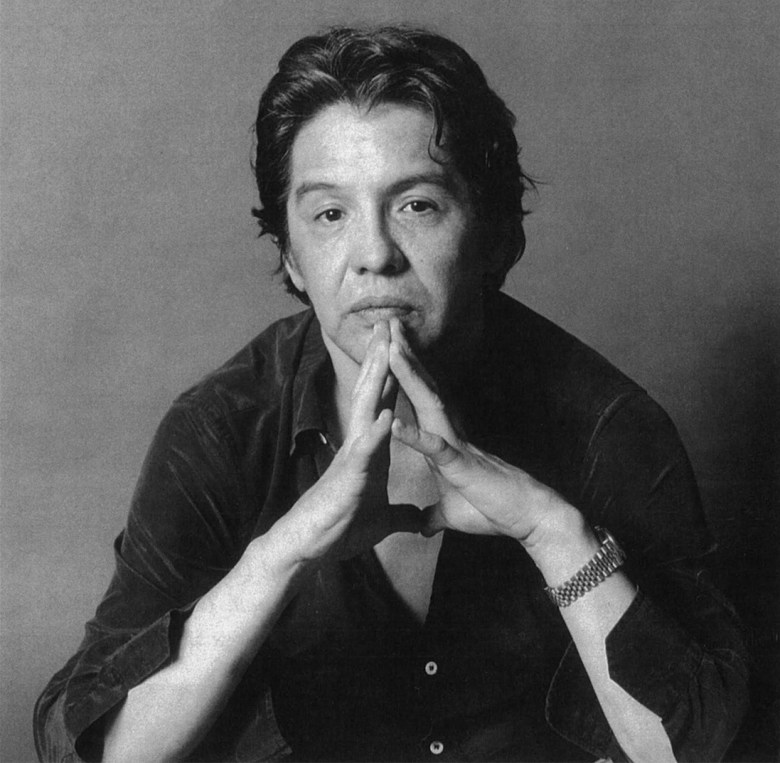
Emerging from the Institute of American Indian Arts in Santa Fe in the 1960s, Crow artist Earl Biss was a groundbreaking, dynamic, mystical, and controversial artist.
He was also wildly prolific, a student of Fritz Scholder and part of a group that included Indigenous artists Kevin Red Star and T.C. Cannon.
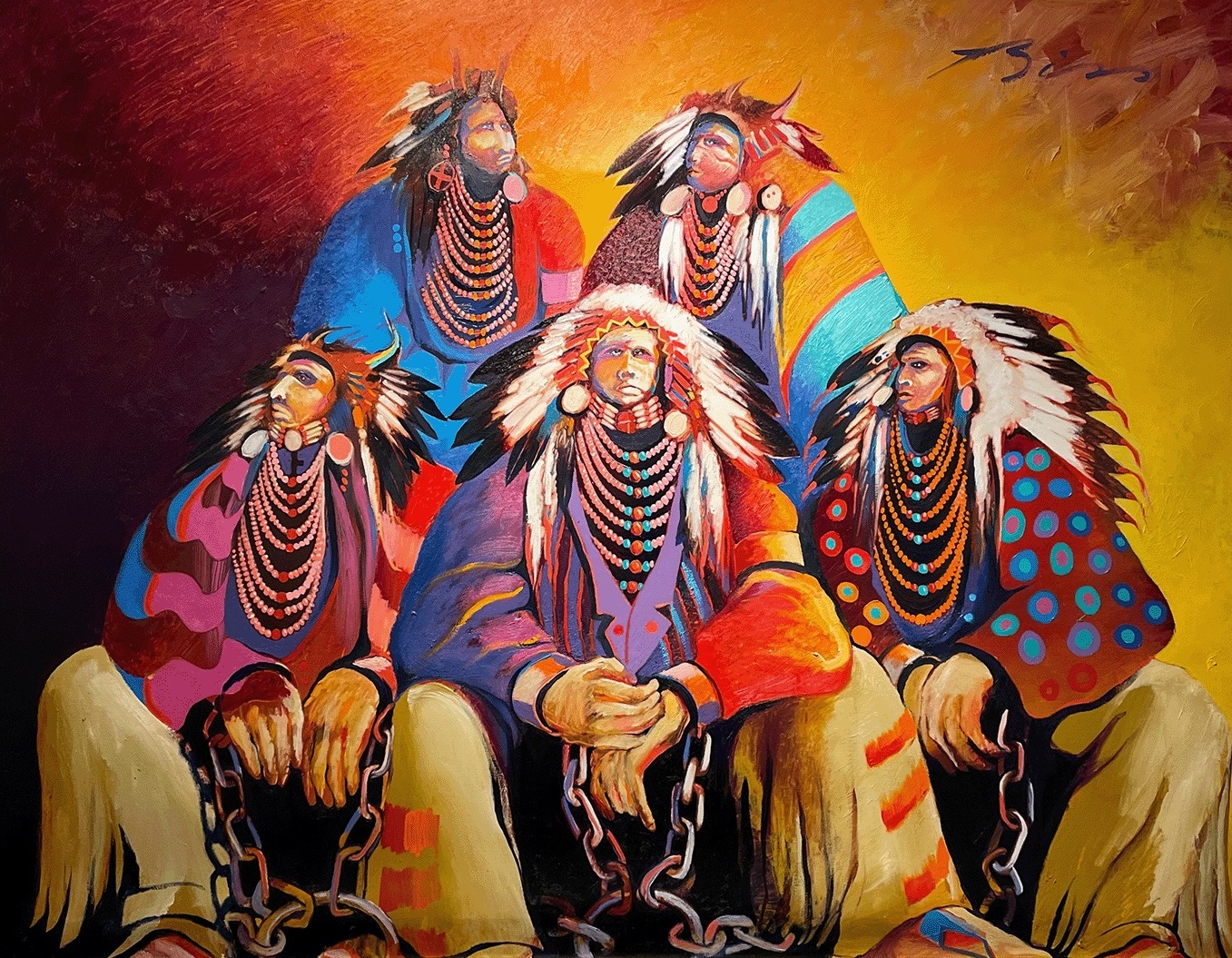
His sometimes-messy life is now being chronicled in a new documentary and book by filmmaker Lisa Gerstner, who had unrestricted, close access to Biss and worked with him on the project for years.
The film, “Art of Native America: Earl Biss,” which won a number of awards, is now available streaming on Amazon, Vudu, and many other platforms. The full color book is available through Amazon. The project is co-produced by Biss’s stepson, designer/artist Dante Biss-Grayson. READ MORE. — Sandra Hale Schulman, Special to ICT
SUPPORT INDIGENOUS JOURNALISM. CONTRIBUTE TODAY.
Congress is working to make the National American Indian Veterans a congressional charter.
A congressional charter recognizes patriotic and national organizations that focus on charity work. There has never been a charter for Native Americans veterans. This despite Native Americans serving at a higher per-capita rate in the U.S. military than any other group.
The National American Indian Veterans was created in 2004 at the request of then Senator Ben Nighthorse Campbell, Northern Cheyenne, and three other senators.
The organization represents the needs of over 140,000 Native American veterans and regularly provides input to Congress.
The charter bill is supported by 26 tribes and now heads to the U.S. House of Representatives for consideration. If it passes the U.S. House it will then head to President Joe Biden to be signed into law. — ‘ICT Newscast with Aliyah Chavez’
Native artists say they continue to struggle with the theft of their work, and tribal leaders are urging Congress to strengthen the Indian Arts and Crafts Act.
IACA was passed in 1990 to prohibit any advertisement and all sales of counterfeit Indian arts and crafts. Choctaw Nation artist D.G. Smalling says the IACA must adapt to the new ways of buying and selling art through online sales.
“We have just a very different kind of engagement with intellectual property now,” Smalling said. “This is why my principal attorney is an expert in intellectual property. It is to defend what I create and to defend what is mine.” READ MORE. — Gaylord News
Arizona, California and Nevada on Monday proposed a plan to significantly reduce their water use from the drought-stricken Colorado River over the next three years, a potential breakthrough in a year-long stalemate that pitted Western states against one another.
The plan would conserve an additional 3 million acre-feet of water through 2026, when current guidelines for how the river is shared expire. About half the cuts would come by the end of 2024. That’s less than what federal officials said last year would be needed to stave off crisis in the river but still marks a notable step in long and difficult negotiations between the three states.
The 1,450-mile river provides water to 40 million people in seven U.S. states, parts of Mexico and more than two dozen tribes. It produces hydropower and supplies water to farms that grow most of the nation’s winter vegetables.
In exchange for temporarily using less water, cities, irrigation districts and tribes in the three states will receive federal funding, though officials did not say how much they expected to receive. READ MORE. — Associated Press
Sign up here to get ICT’s newsletter
On the Tuesday edition of the ICT Newscast, a hallmark summer program advancing education returns in-person. Foraging and learning about edible plants. A Pulitzer Prize finalist explores how his Anishinaabeg ancestors persevered in the face of American expansion.
Watch:
It was well into the process of making “Killers of the Flower Moon” that Martin Scorsese realized it wasn’t a detective story.
Scorsese, actor Leonardo DiCaprio and screenwriter Eric Roth had many potential avenues in adapting David Grann’s expansive nonfiction history, “Killers of the Flower Moon: The Osage Murders and the Birth of the FBI.” The film that Scorsese and company premiered Saturday at the Cannes Film Festival, however, wasn’t like the one they initially set out to make.
The film, which will open in theaters in October, chronicles the series of killings that took place throughout the Osage Nation in 1920s Oklahoma. The Osage were then enormously rich from oil on their land, and many White barons and gangsters alike sought to control and steal their money. Dozens of Osage were killed before the FBI, in its infancy, began to investigate. READ MORE.— Associated Press
- Deficit fight risks clean energy jobs: Indigenous clean energy job count: 37,987 and counting.
- Rain, even smoke help fight Canada wildfires: Alberta wildfires wreaking havoc on Métis and First Nations communities.
- Missing documents in 1978 murder case: Douglas Stankewitz is hoping to win his release after 45 years in San Quentin for a murder he says he didn’t commit.
- Dorm fire that killed Indigenous students was deliberately set: The Guyana school serves mostly Indigenous children age 12 through 18.
- Tohono O’odham Nation citizen shot and killed by Border Patrol: Border Patrol: Agents who killed man were answering report of gunfire.
- ‘Yellowstone’ Star Mo Brings Plenty Visits Senate Committee on Indian Affairs.
- Google Doodle Honors Lesbian Native American Activist Barbara May Cameron.
- Social media and youth mental health report.
We want your tips, but we also want your feedback. What should we be covering that we’re not? What are we getting wrong? Please let us know. dalton@ictnews.org.


