
Greetings, relatives.
A lot of news out there. Thanks for stopping by ICT’s digital platform.
Each day we do our best to gather the latest news for you. Remember to scroll to the bottom to see what’s popping out to us on social media and what we’re reading.
Also, if you like our daily digest, sign up for The Weekly, our newsletter emailed to you on Thursdays. If you like what we do and want us to keep going, support and donate here.
Okay, here’s what you need to know today:
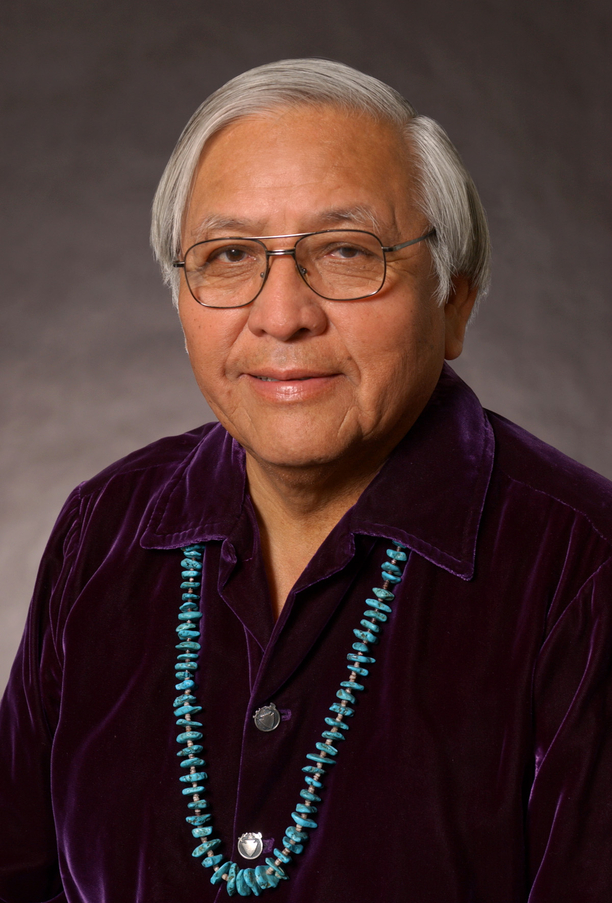
I am flooded today with memories of Peterson Zah.
The first time I met him was when I was covering the 1982 Navajo Nation election between Zah and Peter MacDonald Sr. One of the stories he told – and I used high up in the story – is now legend. If elected, he promised to quit using the chairman’s motorcade. “My pickup truck is fine for me,” he said. That white International Harvester became a symbol for the new style of leadership that he was bringing into the Navajo government after 12 years of MacDonald.
Zah’s leadership style was collaborative. He was patient. And best of all, he told stories.
One of his most important stories was about coal. Under existing leases set by the federal government, when he took office the Navajo Nation was receiving pennies for its precious resource. He used the phrase that the nation was giving away tons of coal for the price of “one soda pop.” A powerful image. It stuck. And the companies renegotiated leases that increased Navajo Nation revenue from about $7 million a year to $48 million a year. He later added a chapter to that story, making sure that much of that money could go into a permanent fund that would last a lot longer than his term in office. READ MORE — Mark Trahant, ICT
SUPPORT INDIGENOUS JOURNALISM. CONTRIBUTE TODAY
Indigenous college students competed against one another at this year’s Knowledge Bowl, a quiz competition that promotes Native history. That was all on display over the weekend at the annual conference of the American Indian Higher Education Consortium also known as AIHEC. Jeremy Felipe has this report.
Watch:
Around the world: A Yanomami crisis sparks action against illegal gold mining in the Amazon, Mexico’s Comcaac people are using an ancient grain to preserve seagrass meadows, drought is forcing herders to turn to fishing, an important Australian shelter for women and children gets new grants, and a Māori astronomy expert is in the running to be New Zealander of the Year.
BRAZIL: Yanomami crisis brings action against illegal mining
Brazilian President Luiz Inácio Lula da Silva’s efforts to remove illegal gold mining from the Yanomami reservation is beginning to show positive results, Mongabay.com reported on Feb. 28.
Miners are leaving the area, police are monitoring human movement and confiscating mining equipment, and thousands of Indigenous people are receiving medical care and food donations, Mongabay.com reported. READ MORE — Deusdedit Ruhangariyo, Special to ICT
A social media campaign urging President Joe Biden to reject an oil development project on Alaska’s remote North Slope has rapidly gained steam on TikTok and other platforms, reflecting the unease many young Americans feel about climate change.
The #StopWillow campaign has garnered more than 50 million views and counting, and it was trending in the top 10 topics on TikTok, as users voiced their concerns that Biden wouldn’t stick to his campaign promises to curtail oil drilling.
“It’s just so blatantly bad for the planet,” said Hazel Thayer, a climate activist who posted TikTok videos using the #StopWillow hashtag.
“With all of the progress that the U.S. government has made on climate change, it now feels like they’re turning their backs by allowing Willow to go through,” Thayer said. “I think a lot of young people are feeling a little bit betrayed by that.” READ MORE — Associated Press
Sign up here to get ICT’s newsletter
After 25 years with the Indian Health Service as a public health nutritionist, Charlene Johnson saw the connection between poverty and physical health. She now leads Plenty Doors, a Community Development Financial Institution for the Crow Nation in Montana.
A 2001 state law in Maine requires schools to teach Wabanaki history and culture. More than 20 years later, some say the law has still not been fully implemented. The College of Education at the University of Maine has stepped in with two new initiatives aimed at better preparing teachers to teach Wabanaki studies. John Bear Mitchell from the University’s Wabanaki Center leads the effort.
Tribal leaders are on hand at the U.S. Capitol this week. That’s for a number of hearings on various committees in the U.S. House and Senate. ICT regular contributor Holly Cook Macarro is following all of these events.
Jerod Tate and John Herrington have a connection to New York City’s Carnegie Hall. Both are Chickasaw.
On Thursday, Herrington will narrate Emmy Award-winning composer Jerod Tate’s “MoonStrike.”
Harrington was the first Native American to reach space.
For details about the New York City performance, visit ADA News.
FOLLOW ICT ON SOCIAL MEDIA: FACEBOOK, TWITTER, INSTAGRAM, TIKTOK
- Baseball’s back!: Cactus League expects full crowds, significant economic impact with 2023 spring training
- The way we eat could add nearly 1 degree by 2100: The modeling study found that the majority of greenhouse gas emissions come from meat from animals like cows, sheep and goats; dairy; and rice
- Pandemic spurs tribes to diversify: Some tribes, with and without casinos, have gotten involved in a wide range of non-gambling businesses
- Talk of Alaska: Lawsuits challenging tribal sovereignty
- Some Democratic-led states seek to bolster voter protections
- Mountain lion P-22 laid to rest in private ceremony
We want your tips, but we also want your feedback. What should we be covering that we’re not? What are we getting wrong? Please let us know. dalton@ictnews.org.

Like this story? Support our work with a $5 or $10 contribution today. Contribute to the nonprofit ICT. Sign up for ICT’s free newsletter.

