
ICT is working to shape the future of journalism and stay connected with readers like you. A crucial part of that effort is understanding our audience. Share your perspective in a brief survey for a chance to win prizes
Greetings, relatives.
A lot of news out there. Thanks for stopping by ICT’s digital platform.
Each day we do our best to gather the latest news for you. Remember to scroll to the bottom to see what’s popping out to us on social media and what we’re reading.
Also, if you like our daily digest, sign up for The Weekly, our newsletter emailed to you on Thursdays. If you like what we do and want us to keep going, support and donate here.
Okay, here’s what you need to know today:
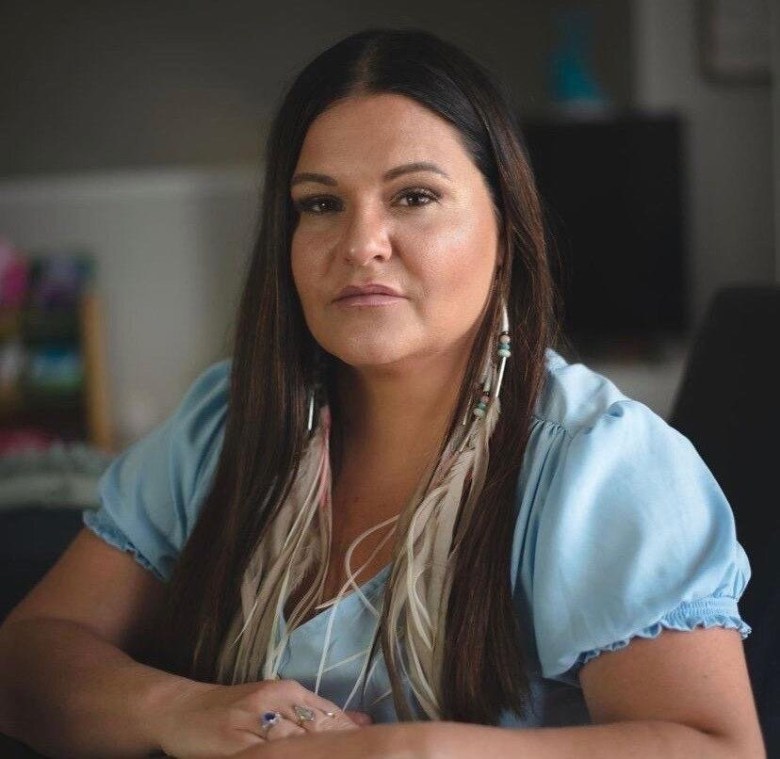
Award-winning journalist Brandi Morin has been on the front lines for years documenting and reporting on Indigenous peoples as they face the power of Canadian authority.
On Jan. 10, while covering a police raid on a homeless encampment in Edmonton, Alberta, it was her turn. Morin was arrested and charged with obstruction, which carries a maximum sentence of two years in prison.
Now, despite calls for the charges to be dropped from major civil rights organizations and associations for journalists and writers, Morin has been moving through a criminal justice system that does not favor Indigenous women.
“I’m familiar with the violence that our people face by the police,” Morin, who is Cree/Iroquois/French, told ICT. “I was there to do my job – to witness, to document. I was not impeding their work. … The next thing you know, I’m handcuffed and put into a paddy wagon and taken to police headquarters downtown and held in a cell for five hours.” READ MORE — Miles Morrisseau, ICT
SUPPORT INDIGENOUS JOURNALISM. CONTRIBUTE TODAY
LISTEN to ICT’s newscast on the go
SISSETON, S.D. – In the early days of 2020, sinkpe tawote (bitter root) plants began popping up all over the reservation — a small unassuming plant with thick green leaves, but one with strong cultural significance. Its roots contained a medicine that had been used for generations as a cure to fevers, aches and pains for people across the plains.
Throughout 2020, Charlotte “Charle” Alamanza, a citizen of the Sisseton Wahpeton Oyate and organizer for the Unkožupi (We Plant) Project, delivered traditional medicines like sinkpe tawote to community members across the reservation. She collected names and delivered remedies to people who hadn’t been exposed to these plants in years.
When the Dakota were moved from their homelands in Minnesota, they were also removed from plants they’d relied upon for generations. Post-relocation, the shift to a commodity food diet based on processed foods and carbohydrates undermined physical and spiritual health. Now, groups like the Unkožupi Project work to bring back traditional plant foods and medicines.
“My grandma, my Kunsi, always said that the enemy of our people is the can opener,” said Dustina Gill, a citizen of the Sisseton Wahpeton Oyate and a part of the seed collective. “These traditions weren’t lost, they were just waiting for us to discover them again.” READ MORE — Amelia Schafer, ICT + Rapid City Journal
This award season has been a groundbreaking time for Indigenous representation in film and television.
What about the music industry? There are zero Native nominees for the 66th Grammys Awards.
ICT’s Paris Wise spoke with experts in the music industry on why that is and what needs to change.
A South Dakota tribe has banned Republican Gov. Kristi Noem from the Pine Ridge Reservation after she spoke this week about wanting to send razor wire and security personnel to Texas to help deter immigration at the U.S.-Mexico border and also said cartels are infiltrating the state’s reservations.
“Due to the safety of the Oyate, effective immediately, you are hereby Banished from the homelands of the Oglala Sioux Tribe!” Tribe President Frank Star Comes Out said in a Friday statement addressed to Noem. “Oyate” is a word for people or nation.
Star Comes Out accused Noem of trying to use the border issue to help get former U.S. President Donald Trump re-elected and boost her chances of becoming his running mate.
Many of those arriving at the U.S.-Mexico border are Indigenous people from places like El Salvador, Guatemala and Mexico who come “in search of jobs and a better life,” the tribal leader added. READ MORE — Associated Press/Report for America
Sign up here to get ICT’s newsletter
States across the country are holding primaries and caucuses ahead of the presidential election. What’s the difference between the two, and how do they affect our presidential elections? ICT Political Correspondent Pauly Denetclaw brings us Politics 101.
Indigenous arts across the world start with resources. The Hawaiian art of making kapa, cloth made from tree bark, is no different. Maile Andrade works with kapa–from the ground up. ICT‘s Shirley Sneve has the story.
Yakama Nation elder and leader Ted Strong has died, at age 76. Considered a warrior for the tribes of his region, Strong was a passionate advocate for the melding of Western science and traditional ecological knowledge to benefit salmon. Mark Trahant has this interview from 2022 at the Reservation Economic Development Summit in Las Vegas.
WATCH
For years, the Washington Fish and Wildlife Commission has been struggling to formulate a draft policy that would update the state’s approach to fish and wildlife management.
Now that effort is on hold indefinitely after a request from several tribes in the state for formal consultation with the agency.
The request came just days before the Washington Fish and Wildlife Commission was prepared to vote on its conservation policy outlining the emerging challenges caused by climate change, human population growth and development.
The draft policy had gone through more than a dozen revisions over a three-year period, which has seen hunters pitted against environmental advocates at lengthy and contentious commission meetings. READ MORE — Columbia Insight
- Indigenous group welcomes the New Year with New Fire ceremony: The ceremony is part of an effort to preserve ancestral customs among the Purépecha, many of whom have to migrate to the United States to earn a living
- Trial set for man accused of killing Alaska Native women: A woman stole a memory card from a truck. The gruesome footage is now key to an Alaska murder trial
- The road to ‘The Avengers’ in Lakota: A Native sound production company on Standing Rock Sioux Nation land dubs Lakota language for Disney+ Marvel Studios film
- Secwépemc-led documentary ‘Sugarcane’ wins directing award at Sundance
- Graphic novel from Homalco First Nation aims to spark youth interest in traditional teachings
- Judge wants answers after report that key witness in Trump fraud trial may plead guilty to perjury
We want your tips, but we also want your feedback. What should we be covering that we’re not? What are we getting wrong? Please let us know. dalton@ictnews.org.

Our stories are worth telling. Our stories are worth sharing. Our stories are worth your support. Contribute $5 or $10 today to help ICT carry out its critical mission. Sign up for ICT’s free newsletter

