Greetings relatives.
A lot of news out there. Thanks for stopping by ICT’s digital platform.
Each day we do our best to gather the latest news for you. Remember to scroll to the bottom to see what’s popping out to us on social media and what we’re reading.
Also, if you like our daily digest, sign up for The Weekly, our newsletter emailed to you on Thursdays. If you like what we do and want us to keep going, support and donate here.
Okay, here’s what you need to know today:
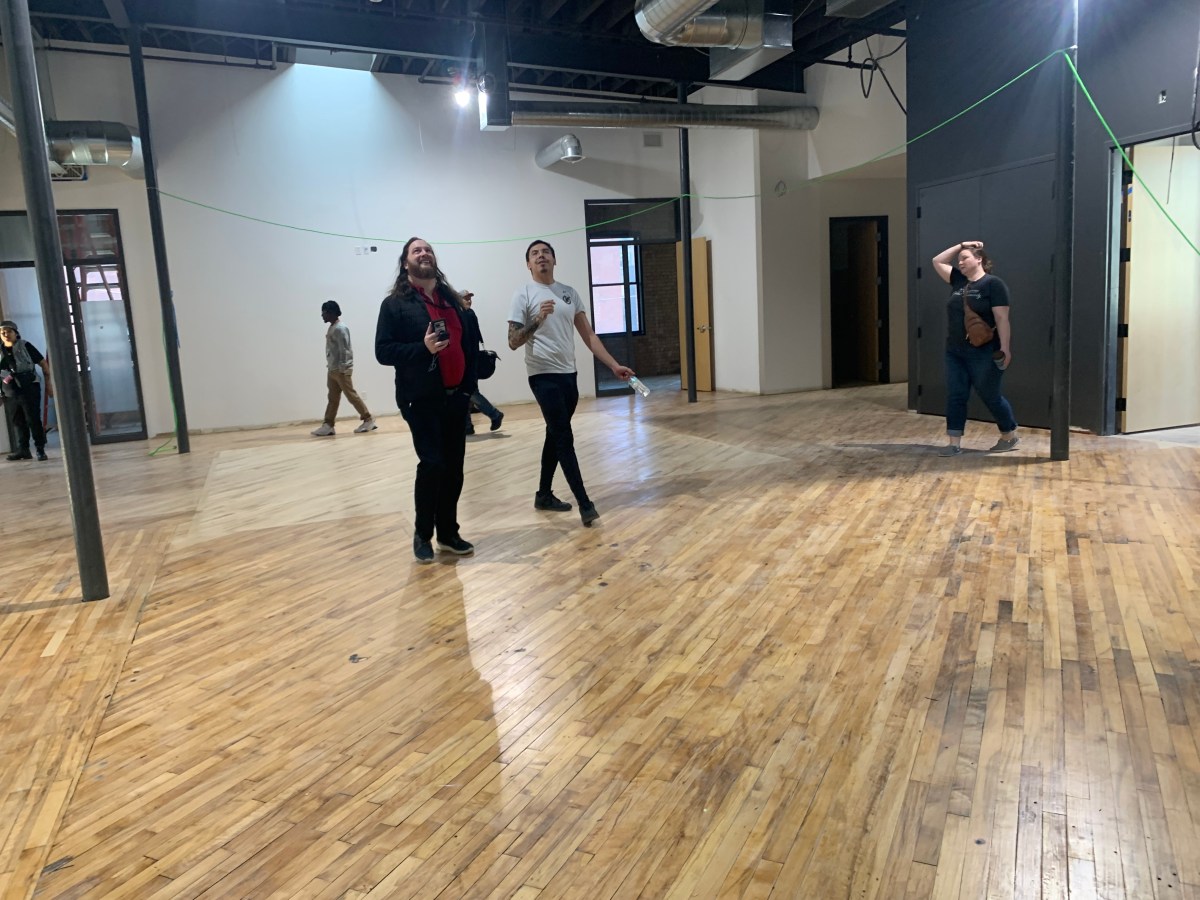
Red Lake Nation College in Minnesota will open an innovative tribal education offshoot institution: a tony, $16 million urban site for students in the heart of downtown Minneapolis at 900 S. 3rd Street.
Educators, students and media toured the new space in an old building during the recent American Indian Higher Education Consortium in Minneapolis. Still under renovation, the brick, former small-manufacturing business building on a mini-block is set to open in May for Red Lake Nation students.
Dan King, 14-year Red Lake Nation College president and Red Lake Tribal Council hereditary chief, said student demand called for a second site.
Minnesota state funds and federal grants helped pay for the new site.
“As the first Tribal College located in a major urban population center, we are proud that we are serving the urban population of Natives for higher education,” said King. READ MORE — Renata Birkenbuel, ICT
SUPPORT INDIGENOUS JOURNALISM. CONTRIBUTE TODAY.
RAPID CITY, S.D. – South Dakota Gov. Kristi Noem and Attorney General Marty Jackley announced a new opportunity for tribal law enforcement training and have reached out to the Regional Bureau of Indian Affairs to collaborate.
The training would take place from June through August this year in Pierre, South Dakota. The training is open to law enforcement from all nine tribes within South Dakota.
The initiative is aimed at providing training to potential officers in the wake of a statewide tribal police shortage but is also open to current tribal law enforcement personnel looking to participate in more training.
“People in tribal communities continue to suffer because of the well-documented shortage of tribal law enforcement officers. This hurts all of South Dakota’s nine reservations, so we are taking the lead on training more officers as quickly as possible,” Noem said in an April 11 press release. “South Dakota is proud to announce a tribal law enforcement-specific basic certification course this summer – right here in our state.”
Potential tribal law enforcement officers are required to attend a 13-week training at the United States Indian Police Academy in Artesia, New Mexico. The academy delivers specific training on different needs for police officers, criminal investigators, correctional officers, dispatchers and command staff working in Indian Country. READ MORE — Amelia Schafer, ICT and Rapid City Journal
Despite over 10,000 Native Americans living in Sioux Falls, South Dakota no Native person has ever served on the Sioux Falls City Council, according to the Sioux Falls City Council and Minnehaha County Historical Society.
Allison Renville, Hunkpapa Lakota, had hoped to change that streak but only gathered about 15 percent of votes for the At Large City Council Member Position.
Other smaller South Dakota cities such as Rapid City have had various Indigenous city council representatives, but the largest city in the state continues to lack Indigenous representation.
“Yesterday was a victory from my perspective, it shows there’s 1700 people willing to show up for me here in Sioux Falls. We now have an idea of how many people are ready to hold this city accountable,” Renville said in a statement on her campaign’s Facebook page.
Renville said she will continue to further Indigenous involvement with the city and the Sioux Falls Police Department. READ MORE — Amelia Schafer, ICT and Rapid City Journal
Sign up here to get ICT’s newsletter
A big pink truck cruised the streets of the Southwest this spring with stops in New Mexico, distributing over 10,000 books to the Navajo Nation to help improve literacy and support Indigenous writers.
The truck is from the founders of the NDN Book Club, Kinsale Drake, Navajo, and Pte San Win Little Whiteman, Oglala Lakota. The club truck hit the road April 1-5. In addition to distributing books, the team handed out product donations curated by sponsor Amy Denet Deal from 4KINSHIP, a Navajo brand that uses runway fashion to fund social good projects on Navajo Nation like the Yilta Book Drop.
NDN Book Club is a nonprofit, literary organization run by and for Indigenous peoples that hosts free youth workshops, author talks, uplifts Indigenous literature, supports Indigenous booksellers, and sends out free Native books. They are supported by Native actress Amber Midthunder (“Prey”) and model activist Quannah Chasinghorse.
In 2023, they distributed more than 2,000 free books by Indigenous authors to Native youth across Turtle Island, supplied by diverse Indigenous booksellers, publishers and authors. From Muckleshoot in Washington to Piscataway lands in the Northeast, they lead workshops in classrooms, tribal libraries, tribal colleges, book festivals and museums. READ MORE — Sandra Hale Schulman, Special to ICT
- Justice Department steps into Enbridge Line 5 dispute: Government attorneys raise questions about pipeline shutdown order
- No foul play suspected in Cole Brings Plenty’s death: Lakota actor was found dead in Johnson County, Kansas, on April 5 after disappearing after alleged assault
- Black Hills State University prepares for annual powwow: The 39th annual Lakota Omniciye Wacipi will center contemporary art and traditional roots
- Why Indigenous artifacts should be returned to Indigenous communities
- Designing for understanding & healing, while promoting Indigenous business

We want your tips, but we also want your feedback. What should we be covering that we’re not? What are we getting wrong? Please let us know. dalton@ictnews.org.