
Editor’s note: This article was originally published by ICT in 2023 and again, with additions, in 2024.
Miles Morrisseau
ICT
No list of Indigenous horror films can ever be created without first acknowledging the master, the late Jeff Barnaby, Mi’kmaq, whose entire catalogue deserves to be seen but whose masterpiece of Canadian cinema “Rhymes for Young Ghouls” is essential.
“Ghouls” is a film that I never want to see again but I probably will and I have to recommend it. I find it among the most horrific movies I have ever seen and I don’t think I will ever shake it. Jeff knew that. He knew he was making horror for Indigenous people. He knew he was making horror for Canadians.
The film is centered around the dark reality of Canada’s Indian Residential School System and the intergenerational legacy. Glenn Gould, Mi’kmaq, turns in a heart wrenching performance as a man trapped in a cycle of violence, shame and unforgivable regret. It also stars Kawennáhere Devery Jacobs, Mohawk, in her first lead role in a feature film. She is Gould’s daughter and like her friends and younger siblings are the ones who are living with the legacy of horror that no one dares speak.
Barnaby turns his lens on the youth led by Jacobs to break the cycle of violence and achieve retribution. The climax is stunning.
If you want to begin a discussion on reconciliation on another level. Start with this film.
Two films emerged in 2024 that are also worth your attention.
“Seeds” marks the feature-film debut by writer/director/actor Kaniehtiio Horn, who is known on camera for roles as Deer Lady in “Reservation Dogs” and Tanis in “Letterkenny,” and who was producer of the series, “Shoresy.” Horn is Kanienhehaka (Mohawk) from the Kahnawake Mohawk Territory, which is adjacent to Montreal, Quebec.
The film is being marketed as a horror comedy, with big laughs and scenes of ritual torture and cannibalism. It may be funny, but it’s not for the faint of heart. The film is built around the home-invasion horror trope, but also includes a plot centering on the defense of the seeds that have historically fed the people – corn, beans and squash. Horn not only directs but stars in the lead role, along with iconic Indigenous actor Graham Greene, who died Sept. 1, 2025. The film debuted at the 2024 Toronto International Film Festival.
Also debuting at the Toronto film festival was “The Beguiling,” by filmmaker Ishkwaazhe Shane McSauby. The film, a 16-minute short film, blends dark comedy and horror to address a tough issue in Indigenous communities – who gets to be an American Indian?
Here are more horror films to add to your watch list:
“Slash/Back” – Speaking of genre and intergenerational trauma, how about Inuit environmental horror? This movie is too smart. Director Nyla Innuksak, Inuk, takes on all the issues. Once again, like Barnaby, the movie works for anyone as a genre pic, but this movie really hits home for Indigenous people.
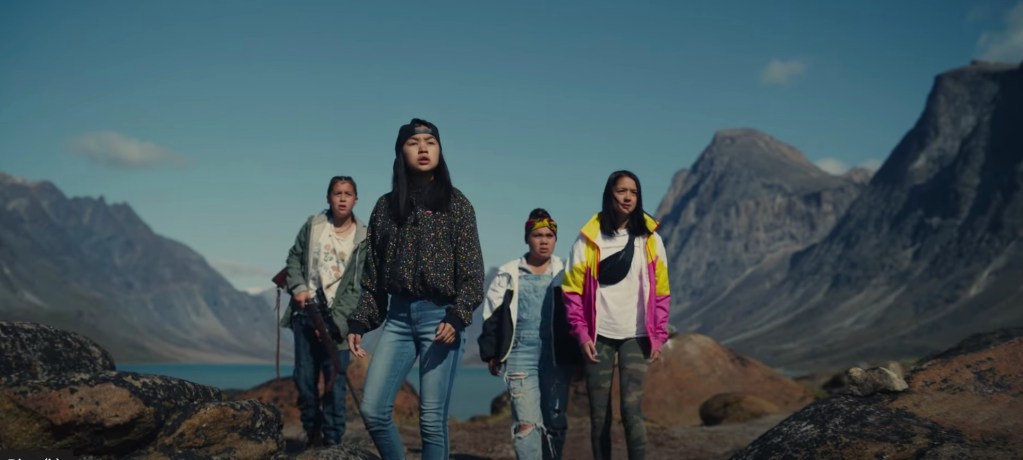
The horror isn’t just about the alien presence that is infecting the natural world, it is about the addictions that overwhelm the real world and the neglect that forces the youth to face horror on their own. The effects are so good. Any true genre fans appreciate when the filmmakers make something out of nothing. The zombie polar bear is equal to anything in the “Night of the Living Dead” and you experience the images of the twisted natural world as a visceral ache you feel in your spirit.
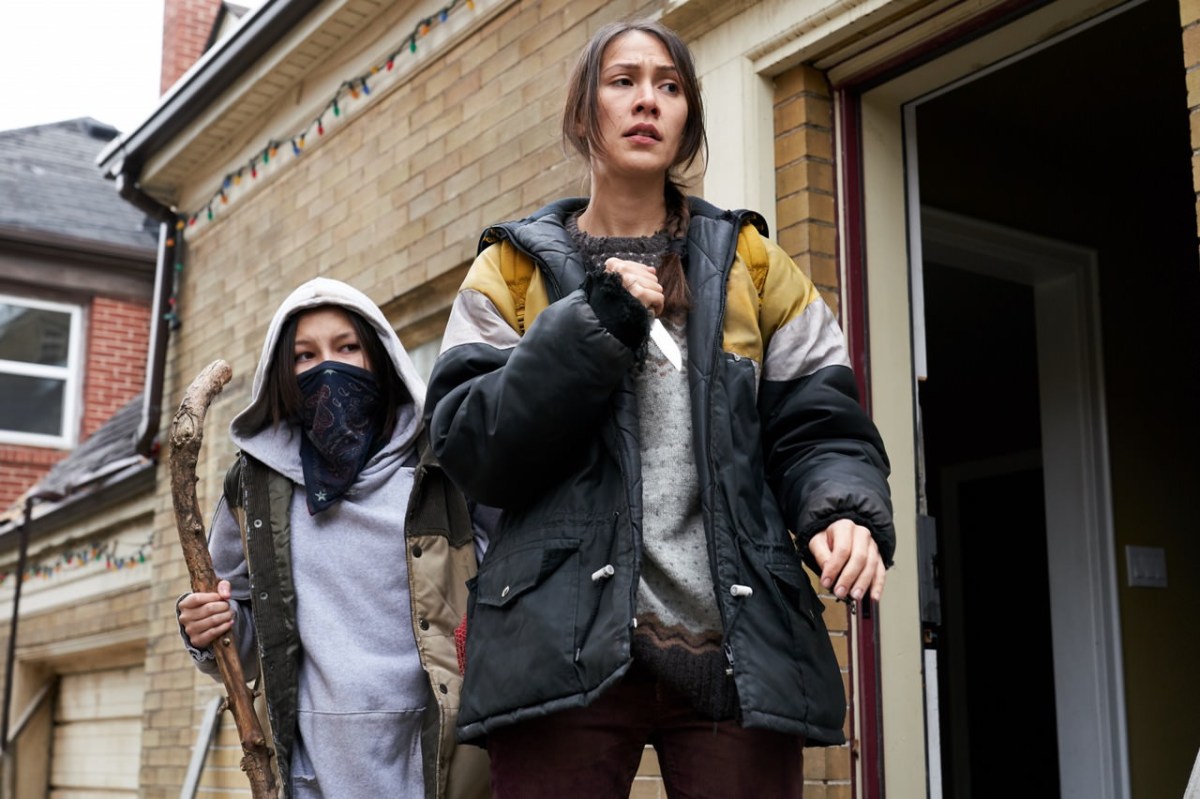
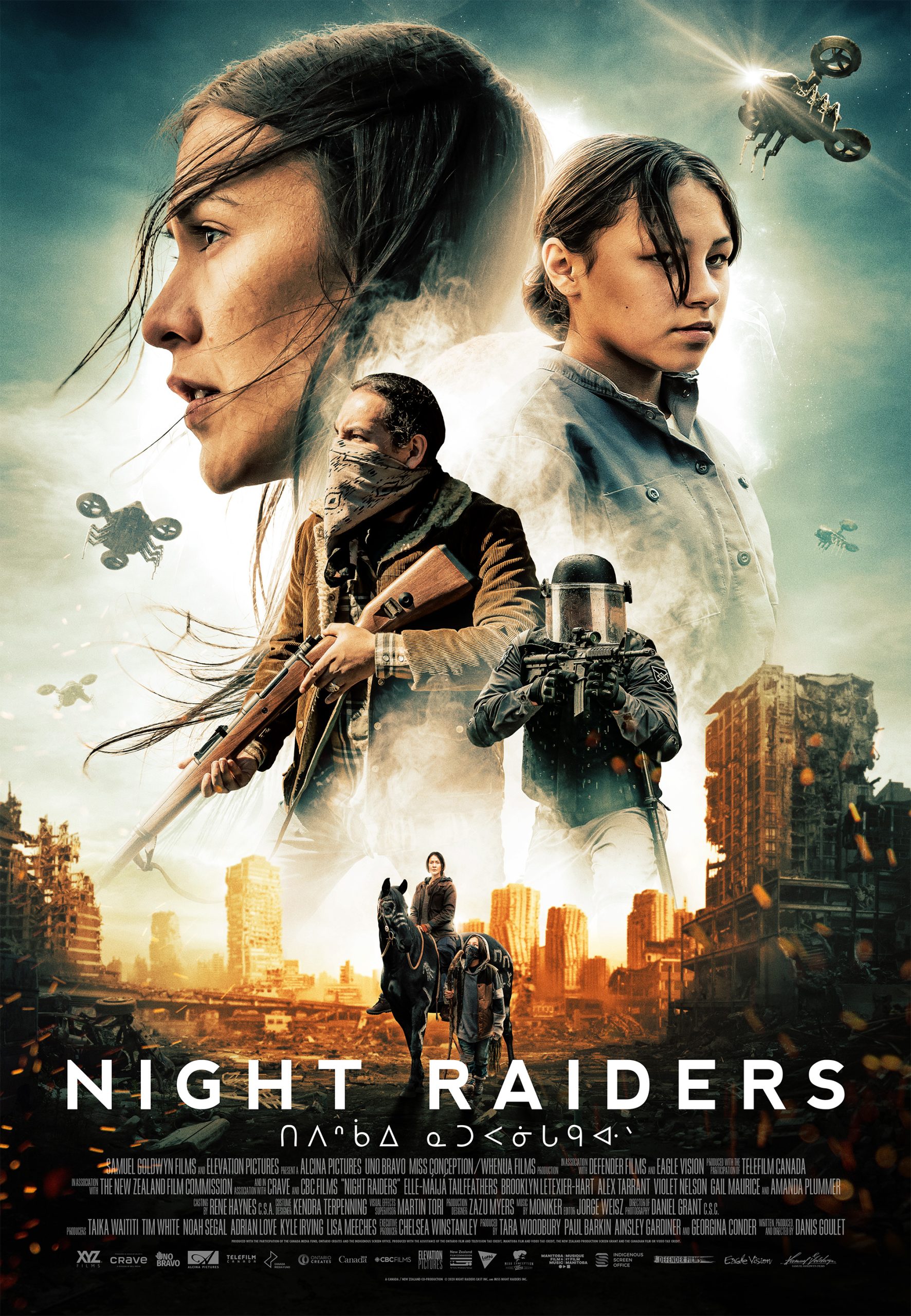
“Night Raiders” – Danis Goulet, Métis and Cree, directed this film that speaks to a dystopian future but also is an allegory for the Indian Residential School System. Elle-Máijá Apiniskim Tailfeathers, Blackfoot and Sami, gives a riveting performance as a mother who is desperately trying to free her daughter from a school that is more like a prison. The horror in this fantasy is rooted in a historical reality that Canadians are still beginning to acknowledge.
“Clearcut“ – Although not straight horror, it is hard to imagine a more realistic expression of the genre than this Graham Greene, Oneida, classic. “Clearcut” is included because although categorized as drama it is another one of those films that is terrifying to watch, and essential viewing. Greene is astonishing in a pre-”Dances with Wolves” performance that will have you cheering for the villain. That’s right. You are cheering for this guy as he is peeling the skin off another human being.
“Bearwalker” – Indigenous people and bad medicine have been a trope for many Hollywood films and genre driven books and stories and it is usually terrible. Anishinaabe filmmaker Shirley Cheecho looks that trope right in the face and, like all great filmmakers, uses it to tell other, deeper stories. Cheecho put together a murderer’s row of Indigenous women actors in this film that has you dialed in to whatever direction they want. Playing sisters are Cheecho, Shirley Tousey (“Thunderheart”), Renae Morrisseau (“North of Sixty”) and Georgina Lightning (“Older than America”). Talk about Big Auntie Energy. The exchanges between these skilled actresses in a deeply spiritual Indigenous world is worth viewing. All with the bearwalker spirit creeping in the background.
“The Corruption of Divine Providence” – Jeremy Torrie, Métis, uses the horror trope of possession as a metaphor for colonization. The possession takes place in a small Manitoba town that is ruled by religious zealotry while denying an Indigenous spiritual reality that existed since time immemorial. There are times, as there are in other films on this list, where the filmmakers’ intentions are just beyond the grasp, but you have to appreciate the effort.

“The Dead Can’t Dance” – If Indigenous gothic is horror-based in Indigenous history and reality, then Indigenous horror comedy is based on upending reactions to traditional horror tropes. This isn’t what a regular person would do in this situation, this is what an Indigenous person would do in the situation. Director Rodrick Pocowatchit, Comanche, Pawnee and Shawnee, goes hard in that direction in this horror comedy where everyone but Indigenous people get infected with a zombie virus. Is there a guilty pleasure in watching these goofy rez boys mow down White zombies with high-powered assault rifles? The answer is yes. YES. YES!
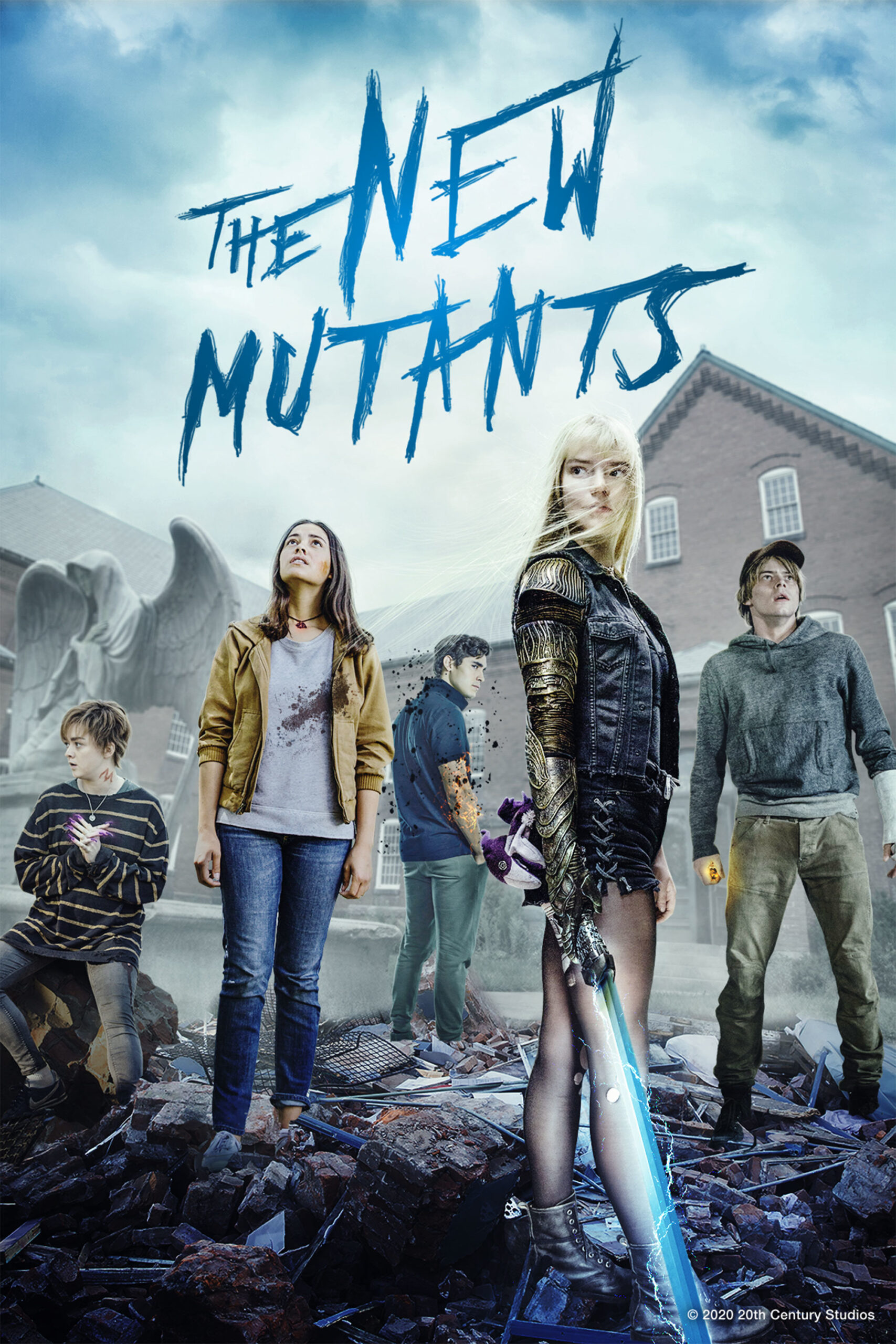
“The New Mutants” – Marvel Studios took a hard left turn with this dip into adult themes and horror. It was also Indigenous driven. Despite the hype of “Echo,” Indigenous-led stories from the entertainment juggernaut started with this underappreciated and creepy nugget. Dani Moonstar, played by Blu Hunt, Apache and Oglala Lakota Nation descent, is sent to a psychiatric hospital that is populated with other teenagers with extraordinary powers. Although the film may have suffered from the “Stranger Things” comparison, this story has been in the Marvel Comics canon for a few years. Moonstar first appeared in the comics in 1982 during one of the team’s celebrated runs under superstar writer Chris Claremont. Moonstar’s dad is played by none other than Adam Beach, Saulteaux.
“Poltergeist II: The Other Side” – No one said that the Indian Burial Ground trope would not make it on the list, but how can you ignore the performance by the late Will Sampson, Muscogee Nation, in this iconic series? The first film is an undeniable classic but the second one is worth your Halloween viewing because of how the familiar cast and scenario become grounded in Sampson’s powerful presence. The man dripped charisma. Yeah, it’s the stereotypical stoic spiritual shaman role, but Sampson makes you believe every word of it.
“Tales from the Crypt: Demon Knight” – This is a groundbreaking film in the genre because it is an African American directed and lead film with a diverse cast including a wonderful comedic performance by Gary Farmer, Cayuga. The Jada Pinkett Smith starrer film is different from most films in the genre. Can you name another horror film led by an African American actress? Can you name one before 1995? “Demon Knight” is also unique in that the Indigenous character, Farmer, is just a character. It never comes up in the film. You expect that at some point an evil shaman or burial ground would pop up and everyone would look at Farmer’s character.
“Demon Knight” is the second film by Ernest Dickerson following the influential hip-hop drama “Juice.” Dickerson is a cinematographer and Spike Lee collaborator who shot everything from “Do the Right Thing” to “Malcolm X.” As a result, “Demon Knight” is greater than its gory and corny parts. It looks and sounds really good, and the cast is fantastic from top to bottom and everyone is all-in on the bloody fun.
“Deep Rising” – Wes Studi, Cherokee, leads a kickass team of great looking bad guys that take over a luxury liner that is taken over by a nasty underwater something or other. Director Stephen Sommers followed up this movie with his pair of big budget Mummy movies with Brendan Fraser. He showed in this 1998 movie that he knows how to move the camera and make the best use of practical and digital effects to create a fun ride with enough jump scares to keep you on the edge of your seat until the bombastic ending.
“Ginger Snaps Back: The Beginning” – The third and final chapter in the Ginger Snaps werewolf series travels back in time to the beginning of the beginning. That’s right. It was bad Indigenous medicine all the time. This film is on the list because of another awesome performance by an Indigenous actor, with an impressive resume but not the big break he needs. This is one good looking dude, can’t he be a star. Nathanial Arcand, Cree, has all the qualities. Come on, Hollywood, give this guy a starring role.
Extras
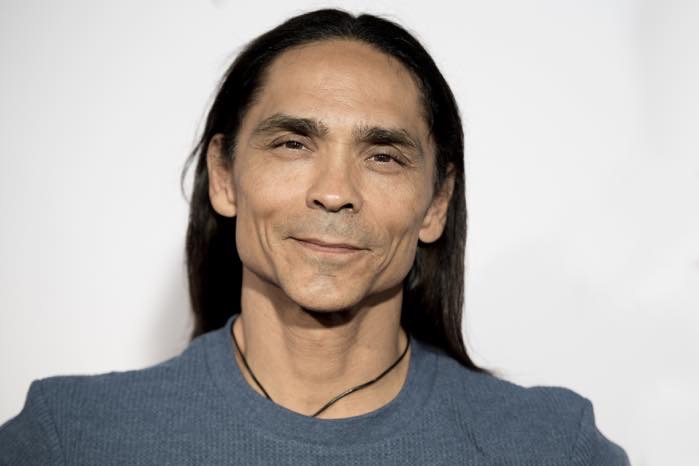
*Zahn McClarnon in “Doctor Sleep.” Everyone’s favorite rez cop steals every scene in this underappreciated sequel to the Stanley Kubrik classic, “The Shining.” The film is based on the Stephen King book following up his own characters. McClarnon is charismatically creepy as Crow Daddy who is thirsting to feed on the powers that shine in grown-up Danny Torrance (Ewan Mcgregor).
*Billy Wirth in “Lost Boys.” Wirth is Jewish and Native American descent and has played Native Americans in a number of movies. He is not identified as Indigenous in this film but he looks cool in this bit of classic ‘80s blood, big hair and cheekbones.

Our stories are worth telling. Our stories are worth sharing. Our stories are worth your support. Contribute $5 or $10 today to help ICT carry out its critical mission. Sign up for ICT’s free newsletter.

