
This story was originally published by MPR News.
Melissa Olson
MPR News
State lawmakers legalized adult-use recreational cannabis over two years ago. At the time, they envisioned a role for tribal cannabis businesses as wholesale suppliers to state-licensed cannabis businesses.
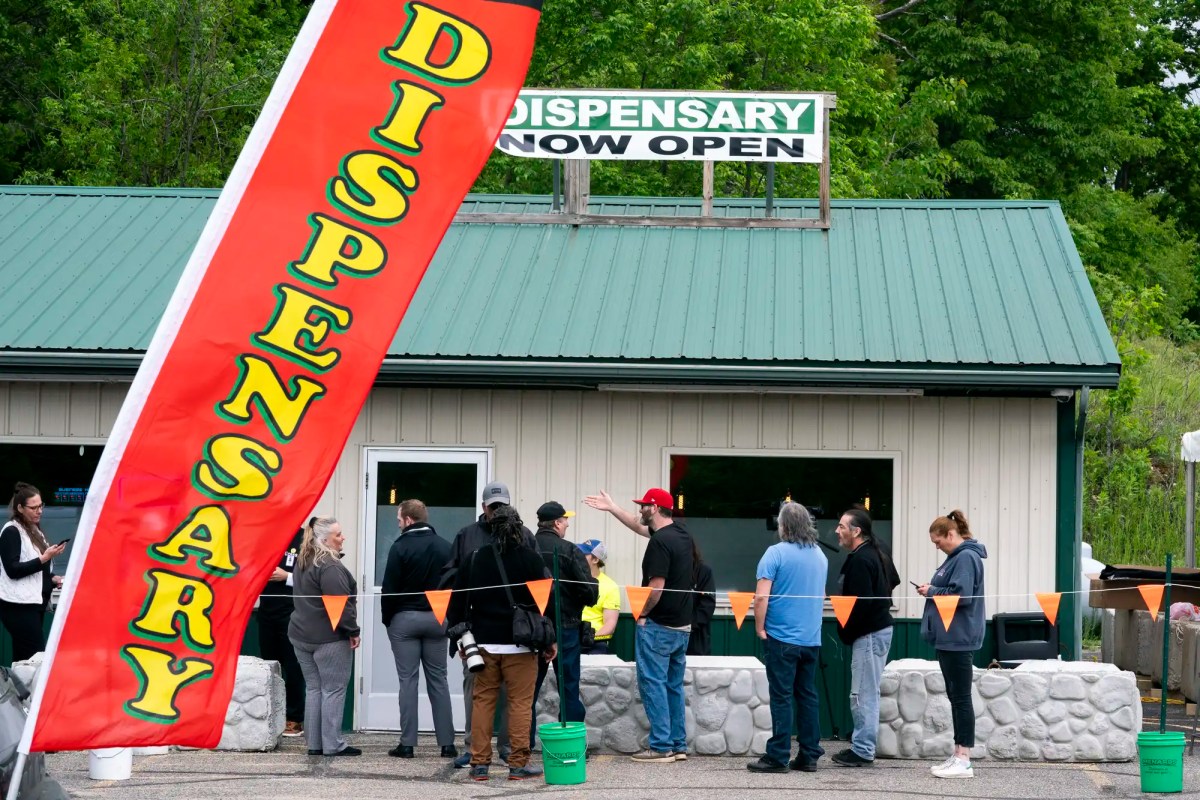
Since May, Gov. Tim Walz has signed cannabis compact agreements with five tribal nations. The agreements have expanded tribal retail opportunities outside tribal lands.
That means tribes also pay state taxes on products sold at those retail locations, and the compacts state that the state may enter into tax agreements and share that revenue from taxes with tribes. Those agreements have yet to be negotiated.
What taxes do Minnesotans pay when buying cannabis?
Customers who purchase cannabis products at a tribal or state-licensed dispensary pay a 15 percent tax — the gross cannabis receipts tax, plus a sales tax. Tribal cannabis businesses who operate in the state market collect and pay that tax to the state.
Do tribes benefit from the collection of state taxes?
Within the next several years, it appears tribes will benefit, but they will have to wait. The Minnesota Department of Revenue is tasked with negotiating tax agreements. Those tax agreements will share revenue between a tribe and the state and will offset the costs of tribes regulating cannabis.
Department of Revenue spokesperson Ryan Brown spoke to MPR News about progress on tribal-state tax agreements. Brown said the agency is not actively negotiating tribal cannabis tax agreements at this time.
Brown wrote in an email, “Revenue will revisit Cannabis Tax Agreement negotiations with Tribal Nations after businesses have been in operation, and those expenses are known.”
Have there been similar agreements in the past?
The state has negotiated other kinds of tax agreements with tribes for years — most notably, state sales taxes collected on tobacco products sold on tribal land.
With regards to cannabis tax agreements, the wait might be years. According to attorney Chris Murray, the legal director for the Leech Lake Band of Ojibwe, it could take up to three years for the agency to collect data and begin negotiating agreements.
What does the Leech Lake Band of Ojibwe say about tax agreement timing?
Murray says he would rather have entered a tax agreement with the state now and then come back after several years to look at the data that the tribe and the state have collected and come up with a formula that shares those tax revenues equitably.
He points out that the opportunities for tribal cannabis business expanded under tribal compacts. That’s a recent shift. The opportunity shifted from tribes selling cannabis wholesale to opportunities for tribally owned retail businesses outside tribal lands.
He says that’s important because tribes who operate retail dispensaries will collect the gross cannabis receipts tax at the cash register and remit those taxes to the state, something Murray says he didn’t anticipate two years ago.
“I think if we would have anticipated this off-reservation activity being included in the compacts, I think there likely would have been a much more robust discussion on that taxation provision that’s in the legislation,” Murray said. “It feels like we kind of got caught flat-footed on that one.”
For the next several years, tribes will cover their cannabis regulatory costs on their own. Murray said there are always difficulties when working government-to-government. He stressed, however, that he believes the state has done the best job of any state compacting with tribes and recognizing tribal sovereignty.
