
Sandra Hale Schulman
Special to ICT
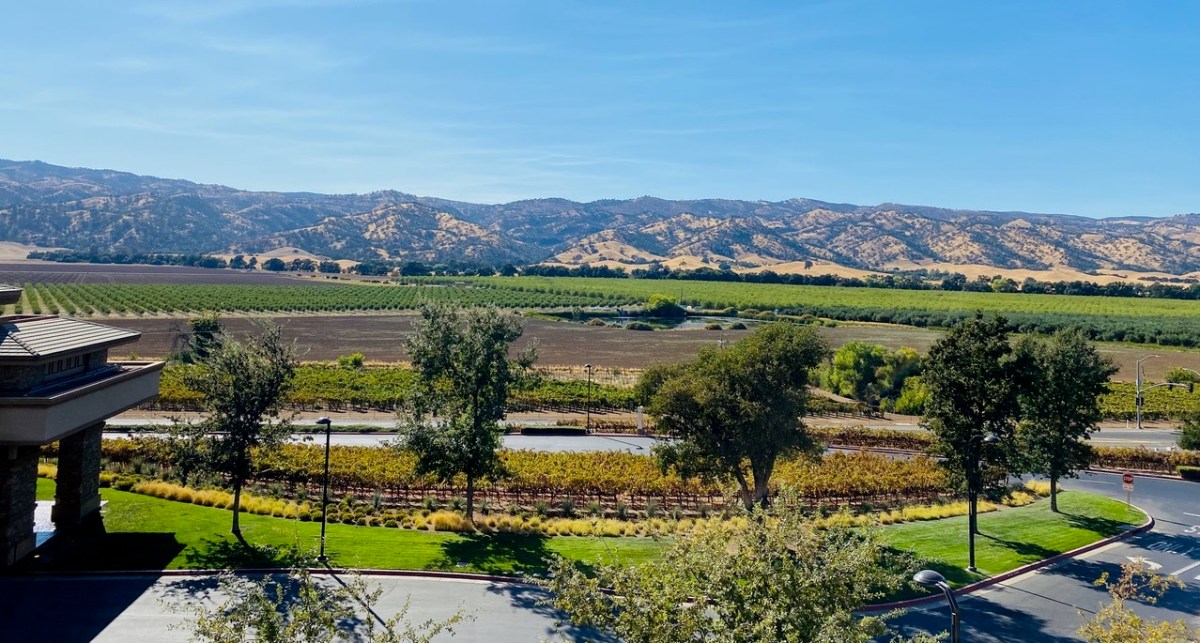
YOCHA DEHE WINTUN RESERVATION, CA. — With a climate that rivals the Mediterranean, the Yocha Dehe Wintun Nation reservation in northern California is near the famed lush countryside wineries in the Napa Valley.
But tribal leaders have turned to a different kind of agriculture for their latest ventures.
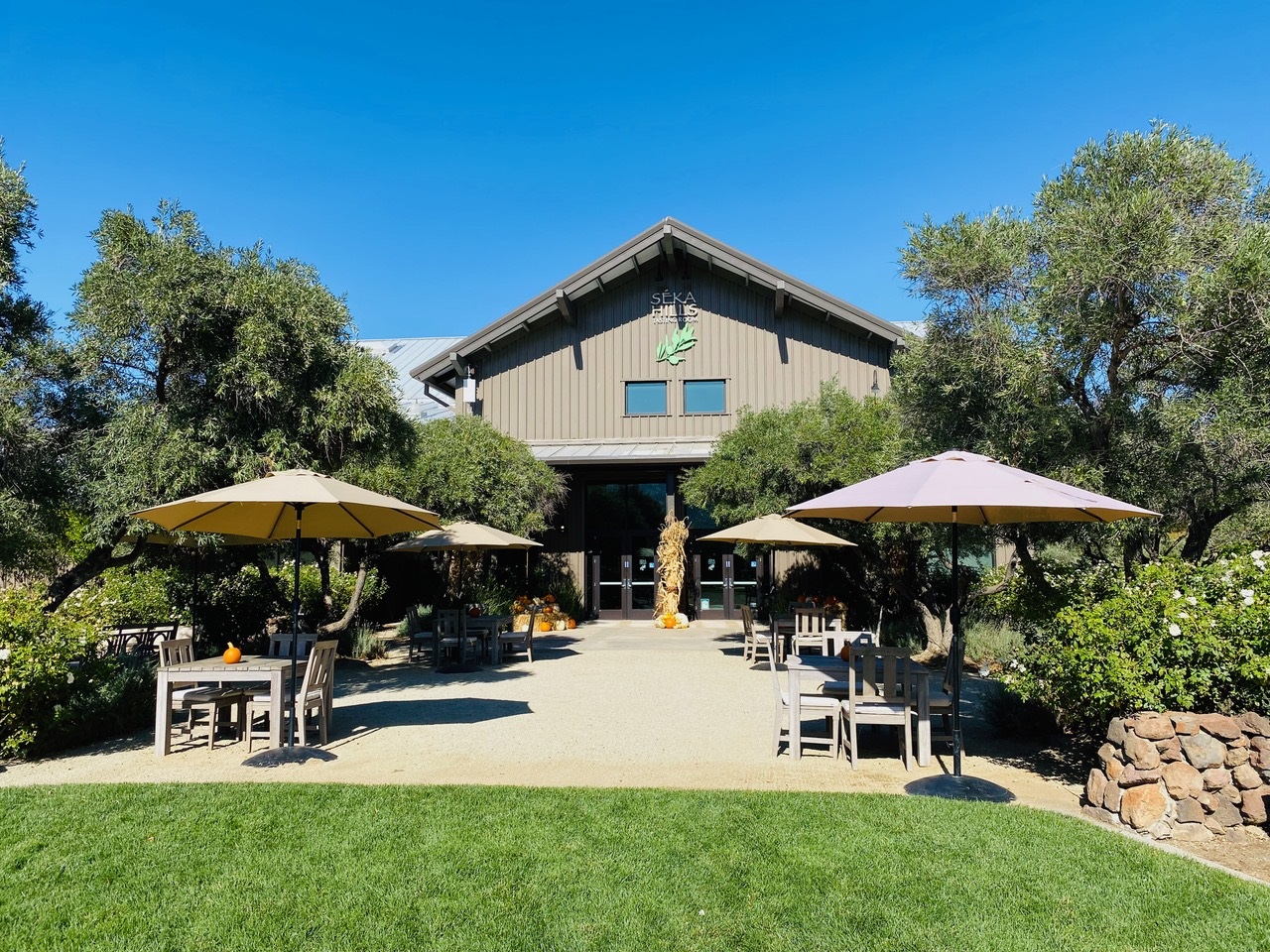
The tribe has cultivated a thriving enterprise, Séka Hills Olive Mill & Tasting Room, by growing olives and making award-winning extra virgin olive oil in an impressive 14,000-square-foot mill facility.
It’s a growing business for the tribe, which already operates the busy Cache Creek Casino Resort and Yocha Dehe Golf Club down the road from the mill, with scenic views of the hills and groves.
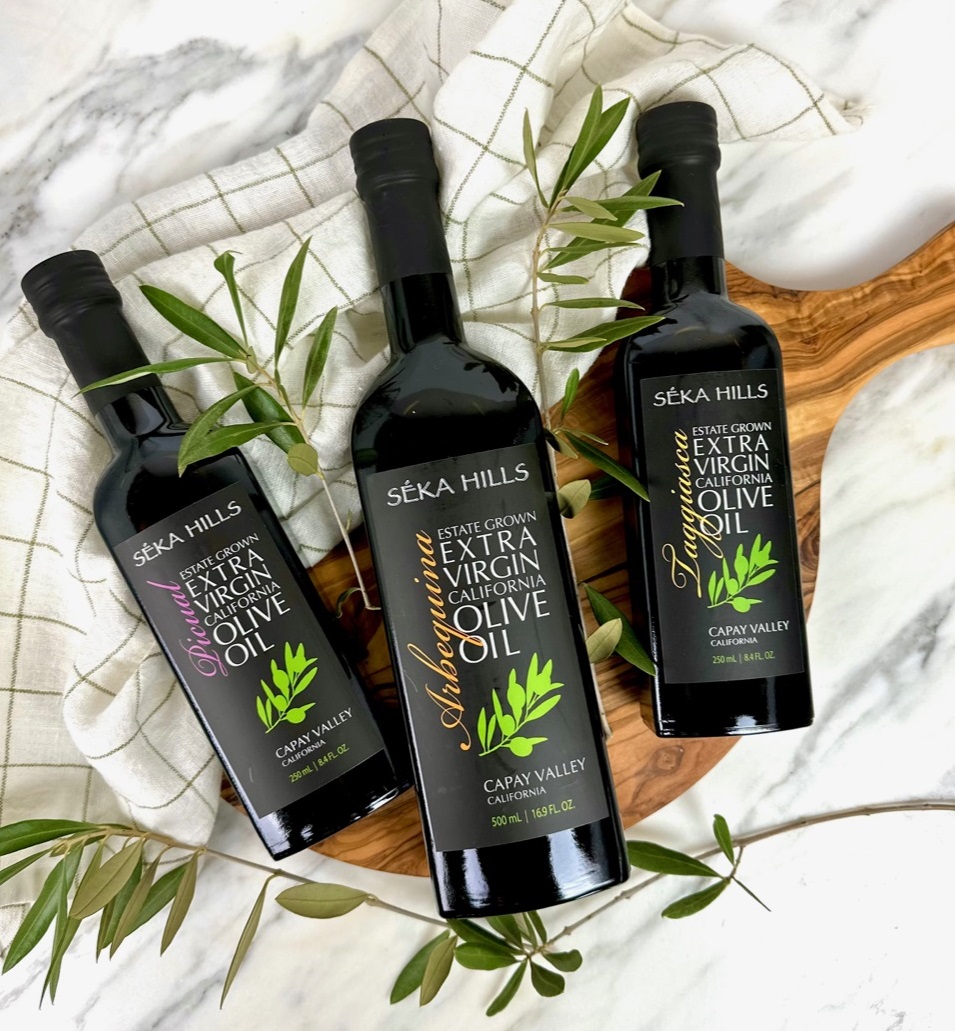
The mill offers tours for the public, a large tasting room to sample the varieties and favors, and a range of products available online or at the shop in the Brooks, California, facility. The tribe also offers milling services to other local olive growers.
Last year, the business produced 120,000 gallons of olive oil, with more expected this year. The tribe has also expanded its product line to include wines, wildflower honey, seasoned nuts, and vinegars made with elderberries since 2015. These products are grown, harvested and packaged nearby.
“We really have the ideal Mediterranean climate, and the heat we get here in the Valley during the summer produces really big flavors,” said Jim Etters, a non-Native expert on olive oil who is director of land management for the tribe.
“We felt that it was a crop that was good for the environment out here,” he told ICT, as he stood in a grove of trees with small olives dangling from the leafy branches. “It’s good for the soil, unlike nut trees that were in the area before.”
SUPPORT INDIGENOUS JOURNALISM. CONTRIBUTE TODAY.
They wanted a brand name that connected their language and their land. Séka means “blue” in the Patwin language, creating a name that honors the Blue Hills along the west side of the Capay Valley.
“We’ve also worked to build an overarching brand for the tribes’ agricultural products, and that brand is Séka Hills,” said tribal secretary James Kinter. “We really had two goals with the facility. The first was obviously to produce very high-quality, extra virgin olive oil from our own fruit. But also, to provide custom milling to those other local growers who were having to ship their fruit hours away to have it processed.”
It’s a fitting enterprise for the traditional homelands of the Yocha Dehe Wintun Nation.
“The Yocha Dehe Wintun Nation’s name means, “Home by the Spring Water,” and has been here in the Capay Valley for thousands of years,” said Kinter. “This is our ancestral homeland.”
Learning the oil business
The mill offers an inside look at how the tribe’s olives are grown, milled, and finished into olive oils.
The tribe started small with its agriculture business by growing wheat, alfalfa and sunflowers. It diversified the crops as it expanded the land holdings, however, and now has 25,000 acres of property.
The first olives were planted in 2008, and the first olives were harvested in 2011.
Etters, the land manager, helped start the agricultural operations and now oversees the work.
The majority of the olive trees are planted extremely close together, in what is considered super high-density planting. It takes a certain type of olive to not only handle the compact conditions but be able to produce a quality oil.
A decision was made to go with Arbequina olives, Etters said.
“It’s a very small olive, not what you typically see for table olives,” he said. “It’s a lot of pit, but within the flesh is quite a bit of oil. The reason it’s such a popular olive for oil is because it has a high oil content.”
Now they’re trying a new variety, known as Picual.
“Our Arbequina olives are the major players,” Etters said, “but there’s a variety of olive called the Picual making its debut at Séka Hills, grown in a more traditional style of planting, otherwise known as medium density.”
Etters said they will be harvesting some of the Picual olives this year, and are working on other varieties to offer a full spectrum of flavor, from very mild oils to very robust and pungent oils.
Harvesting is done in an unusual way — a machine rumbles down the grove and literally grabs the trunk and shakes the ripe olives out of the tree while a net catches them. They are not hand-picked.
The small olives are then taken to the mill. The glass-enclosed pressing and bottling facility is large, with gleaming steel machines that press out the olive pits and use centrifugal force to separate the oil from the flesh.
The oil is then directed to the bottling rooms, labeled, and packaged for sale and shipping.
Once the annual fall harvest starts, production goes on 24 hours a day for about six weeks.
“We really wanted to provide a full-service facility,” Etters said. “We wanted to be able to process the olives, store the oil, and bottle it all in one location. And not only do we do that for our own fruit, but we also offer those services to other local growers, and the tribal council opened their doors to the public.”
And the businesses keep expanding. The tribe opened a winery in 2010 with grapes grown on 36 acres, that includes its own tasting room near the Old Sugar Mill in Clarksburg, just minutes from downtown Sacramento.
Other new products in recent years include pickled asparagus and balsamic vinegars, including some made with elderberries. Almonds in various flavors, including toffee and garlic herb, and assorted almond butters were added after the tribe planted a grove of almond trees.
‘Nowhere to go but up’
The large tasting room for the olive oils offers a sampling of four flavors, with the oils poured into small cups. The surprisingly rich varieties range from spicy to garden fresh.
Visitors are encouraged to roll the oil around in their mouths, making sure to spread the oil to the roof of their mouth and toward the throat, to get the full flavor. Peppery oils go with meats; greener flavors pair with salads and vegetables.
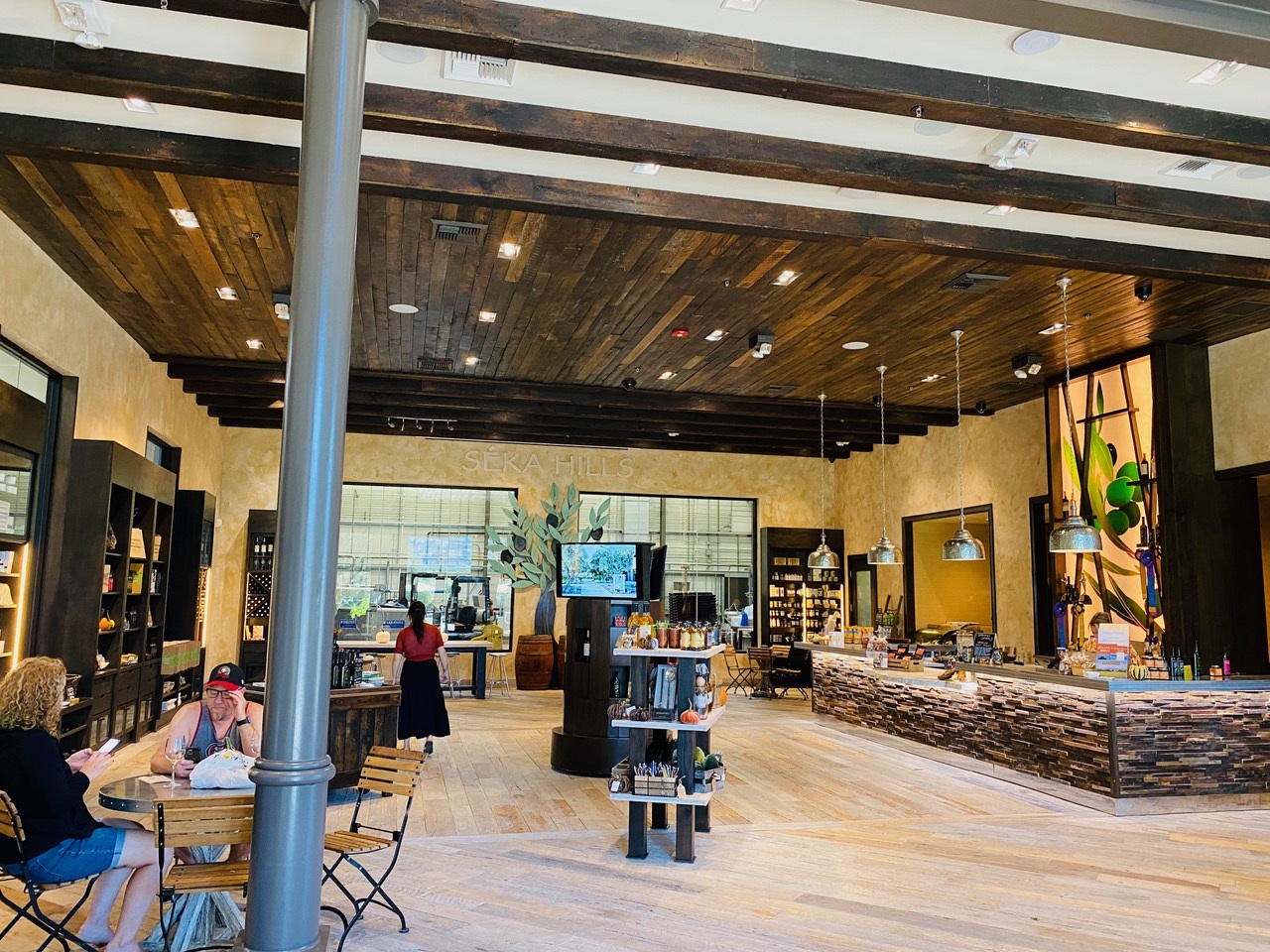
The center also offers a food menu that uses the products in salads, sandwiches, drinks and desserts — a vanilla olive oil ice cream with an almond cookie is a real treat. A guided tour on a hayride wagon is a fun, rustic way to see the acres of trees.
“There’s a lot of things that make California olive oil special,” Kinter said. “I think first and foremost, the quality that we produce here in California is second to none. So, when you see that bottle of olive oil on the shelf of the grocery store, and it says California on it, you know that it’s truly extra virgin olive oil.”
Etters said he has been able to work closely with the tribal council to develop the enterprise.
“It’s farming – there’s been a lot of challenges along the way,” he said, “but I think we’re at a point now where things are looking pretty good. There’s nowhere to go but up.”
Demand for the products continues to grow, he said and the tribe is actively buying more property to farm.
“We opened the Séka Hills tasting room, and we continue to see more and more traffic,” Etters said. “It’s really a key to educating consumers just to get that oil in front of them and have them taste it. As the consumer becomes more educated, they’re going to seek out different varieties. They’re going to taste those for different flavor profiles, just like you would with wine.”
He continued, “We’re proud of this land. We try to take care of it. We want to make sure that we take care of the future for our people and for our neighbors, too.”

Our stories are worth telling. Our stories are worth sharing. Our stories are worth your support. Contribute $5 or $10 today to help ICT carry out its critical mission. Sign up for ICT’s free newsletter.
