
ICT is working to shape the future of journalism and stay connected with readers like you. A crucial part of that effort is understanding our audience. Share your perspective in a brief survey for a chance to win prizes.
Felix Clary
ICT + Tulsa World
TULSA, Okla. – Being selected to serve as federal judge is “not an everyday experience,” Sara Hill said.
“Your text messages start to pile up when you get nominated by the president for anything, I think,” she said.
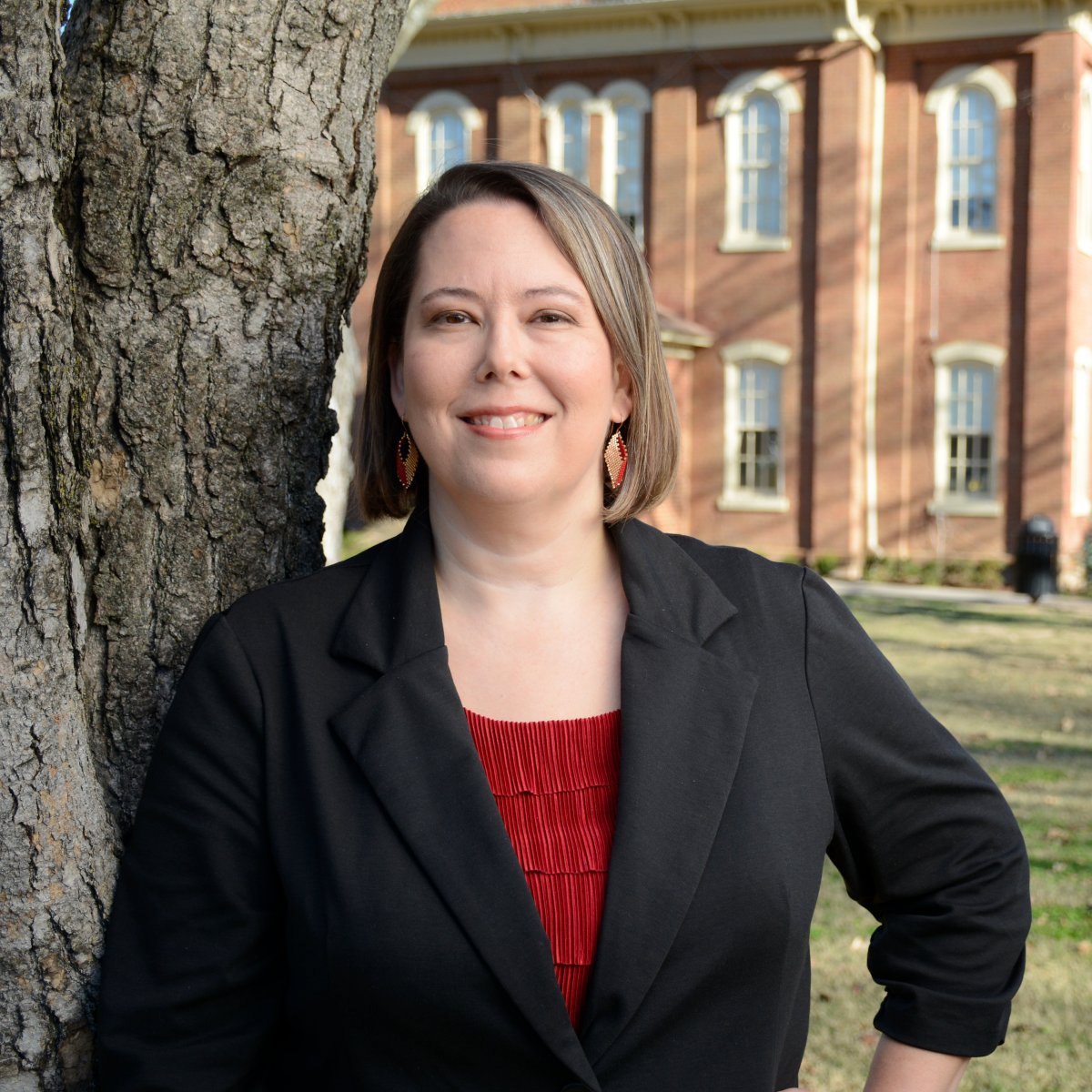
The University of Tulsa hosted a celebration recently at its College of Law for Oklahoma’s first female Native American federal judge and a university alumna. The U.S. Senate confirmed Hill’s appointment as a U.S. District judge for the Northern District of Oklahoma on December 19.
Cherokee Nation Principal Chief Chuck Hoskin Jr. and Chickasaw Gov. Bill Annoatubby were among those in attendance to congratulate her on her selection by President Joe Biden.
In an ICT and Tulsa World interview, Hill, a citizen of the Cherokee Nation, mentioned various Native women who have had similar careers to her and how they inspired her to get to where she is now.
“Of course, it makes everyone think more broadly about what their options are, right? So it made me think more about becoming a federal judge. … I think that it makes it feel more achievable and makes you want to strike out and say, ‘I could serve my country in this way. Maybe that’s something that could happen,’” Hill said.
She also spoke about the importance of diversity on the federal bench.
“What’s good is when people can look into the federal bench and see that there are people from their communities that are represented there,” she said.
Hill went on to talk about how the Indigenous law student population is vast and well-qualified to serve as attorneys and judges, not only on the tribal and state levels, but the federal as well.
“It is my belief that talent is evenly distributed in our population. And our desire to serve is evenly distributed. If there are big chunks of Americans that are missing from the federal bench, it makes me think that we’re losing some of the talent that we have. It’s not getting where it needs to be,” she said.
She also stressed the importance of studying tribal law as a law student.
“Tribal law too can become important depending on the facts of the case. So I think having a good knowledge base of the tribal, state and federal law in the jurisdiction can only be helpful because the federal courts attract all different kinds of disputes.”
Tulsa University College of Law Dean Oren Griffith told the audience he and the university are proud of Hill, not only as a newly elected judge, but as an alumna.
“You spend a lot of time thinking about how to measure your school. … I think the most important thing about an institution is what happens with the graduates you produce, and how they serve our community and our nation, and what we have tonight is another opportunity to see another wonderful graduate of our law school, who’s going to provide wonderful service to the state of Oklahoma, and to the nation, as federal judge, and we’re really proud of that,” said Griffith.
Hoskin said he was excited to find out Hill had been confirmed.
“Then someone explained to me that this probably conflicted her out of every Cherokee case,” he said.
“But I really am very excited for a couple of reasons,” Hoskin continued. “Number one is you want judges, no matter where they serve, to be people who have been tested. Because if they’ve been tested intellectually and professionally in life then that will make an excellent judge.
“And Sara Hill has been tested. I got to witness it up close in the last four years as she served as Cherokee Nation Attorney General. They were some of the most challenging times we’ve ever had.”
He went on to describe the struggles of the COVID-19 pandemic and the uncertainty that the McGirt decision has created.
“But I can tell you that with her as attorney general, we did succeed,” said Hoskin.
Hill’s advice to aspiring Native law students was to “dream big.”
“Oklahoma is not like any place else, and I really believe in the state,” she said. “I believe in our education system. To all the moms out there, and their kids, you don’t need to settle for something less. FIght for what you want and dream big.”

Our stories are worth telling. Our stories are worth sharing. Our stories are worth your support. Contribute $5 or $10 today to help ICT carry out its critical mission. Sign up for ICT’s free newsletter.

