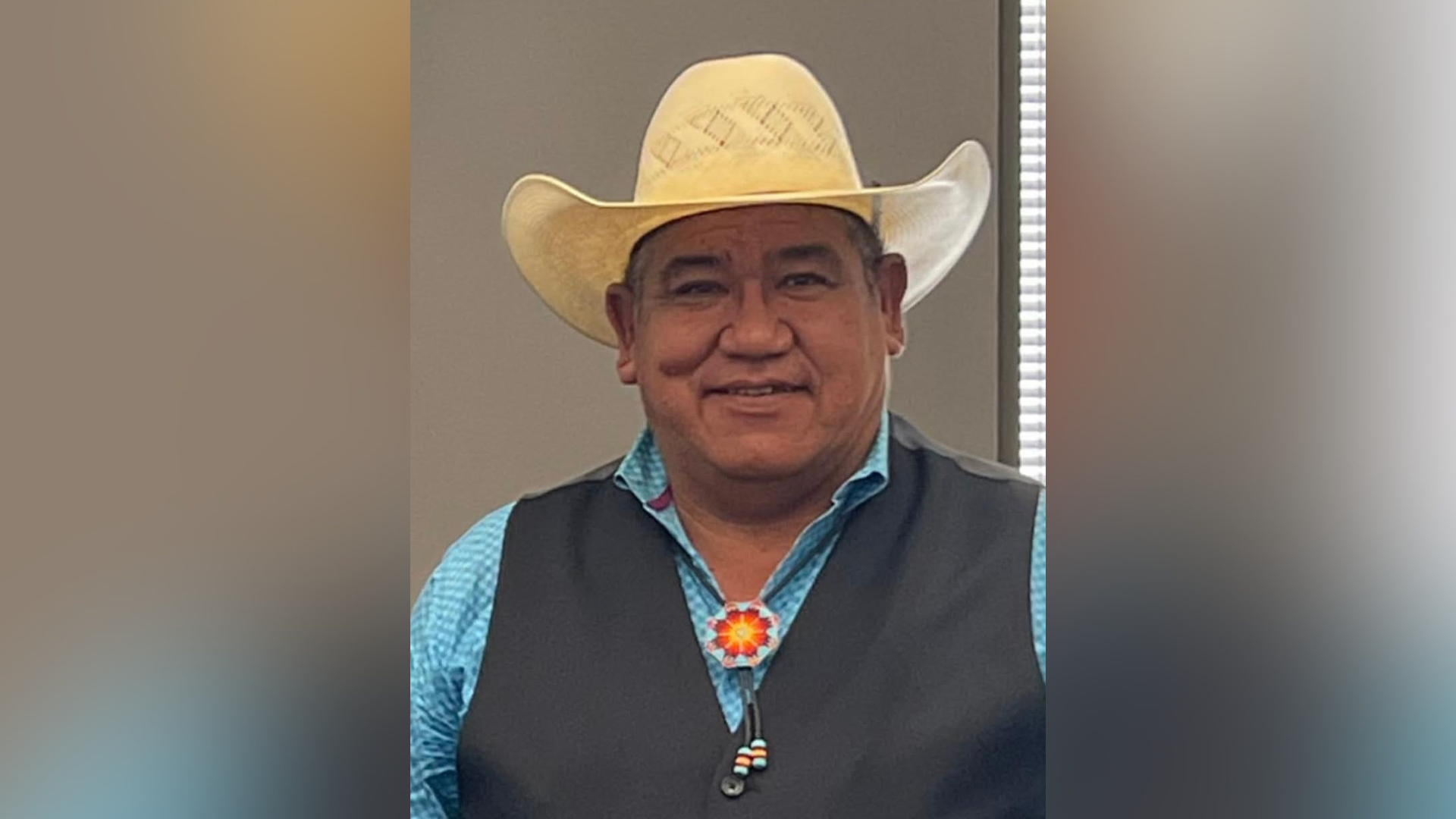
Harold C. Frazier
Former tribal chairman
There is a phrase often used in federal policy discussions: “one size fits all.” It sounds efficient. It sounds fair. But in Indian Country, it has never been either.
After serving for many years as a tribal chairman, I have seen firsthand how this approach continues to fail our communities — especially when it comes to road infrastructure and the funding systems that support it.
Let me be clear: roads are not just about transportation in tribal nations. They are about safety, access, economic survival, and dignity.
In many of our communities, roads are the lifeline between home and hospital, between students and schools, between elders and essential services. Yet too many of these roads remain unpaved, poorly maintained, or entirely neglected. During harsh winters or heavy rains, they can become impassable. Emergency services are delayed. Families are isolated. Economic opportunities disappear before they can even reach our borders.
And still, we are asked to compete for funding within systems that fail to recognize the vast differences between tribal nations.
Not all tribes are the same. We differ in geography, population size, land base, climate, and existing infrastructure. A tribe in a remote northern plains region faces entirely different challenges than one located near an urban center. Yet federal funding formulas often ignore these realities, relying on rigid metrics that do not reflect actual need.
The result? Chronic underfunding where it is needed most.
Some tribal nations are responsible for maintaining hundreds — sometimes thousands — of miles of roads with limited tax bases and restricted revenue streams. Unlike states or municipalities, tribes cannot rely on property taxes in the same way. We are expected to do more with less, year after year.
This is not just an infrastructure issue. It is a matter of equity.
When funding formulas fail to account for remoteness, climate impact, or historical disinvestment, they perpetuate disparities that have existed for generations. And when tribal nations are forced into a “one size fits all” model, it erases the very sovereignty that federal policies claim to respect.
The current Tribal Transportation Program funding formula does not address the needs of travelable roads; rather, it maintains the funding level that the majority of the tribes received in 2011. It relies on outdated data from 2004-2011 and diverts funds to tribes who have no roads.
A solution is for the U.S. government to develop two programs for tribes: one program is for tribes that have Bureau of Indian Affairs/tribally-owned roads, and the other is for tribes that have no roads but transportation needs. At the very least, develop two funding formulas that reflect the needs of Indian Country.
As a former tribal chairman, I am proud of the resilience and innovation I have seen across Indian Country. But resilience should not be mistaken for acceptance. Our communities should not have to endure inadequate infrastructure as a fact of life.
We are not asking for special treatment. We are asking for fair treatment.
“One size fits all” may be convenient for policymakers, but it comes at a cost — one that is paid daily by tribal communities across this country.
It is time to acknowledge that truth and build a system that finally fits the people it was meant to serve.
Harold C. Frazier is the former chairman of the Cheyenne River Sioux Tribe and a consultant for the Great Plains Tribal Chairman’s Association.
This opinion-editorial essay does not reflect the views of ICT; voices in our opinion section represent a variety of reader points of view. If you would like to contribute an essay to ICT, submit your op-ed here.