

Kalle Benallie
ICT
ICT spoke to some tribal leaders about what issues are the most important to them and their tribal citizens in the 2024 presidential election. One consistent concern is having a good relationship with the United States government.
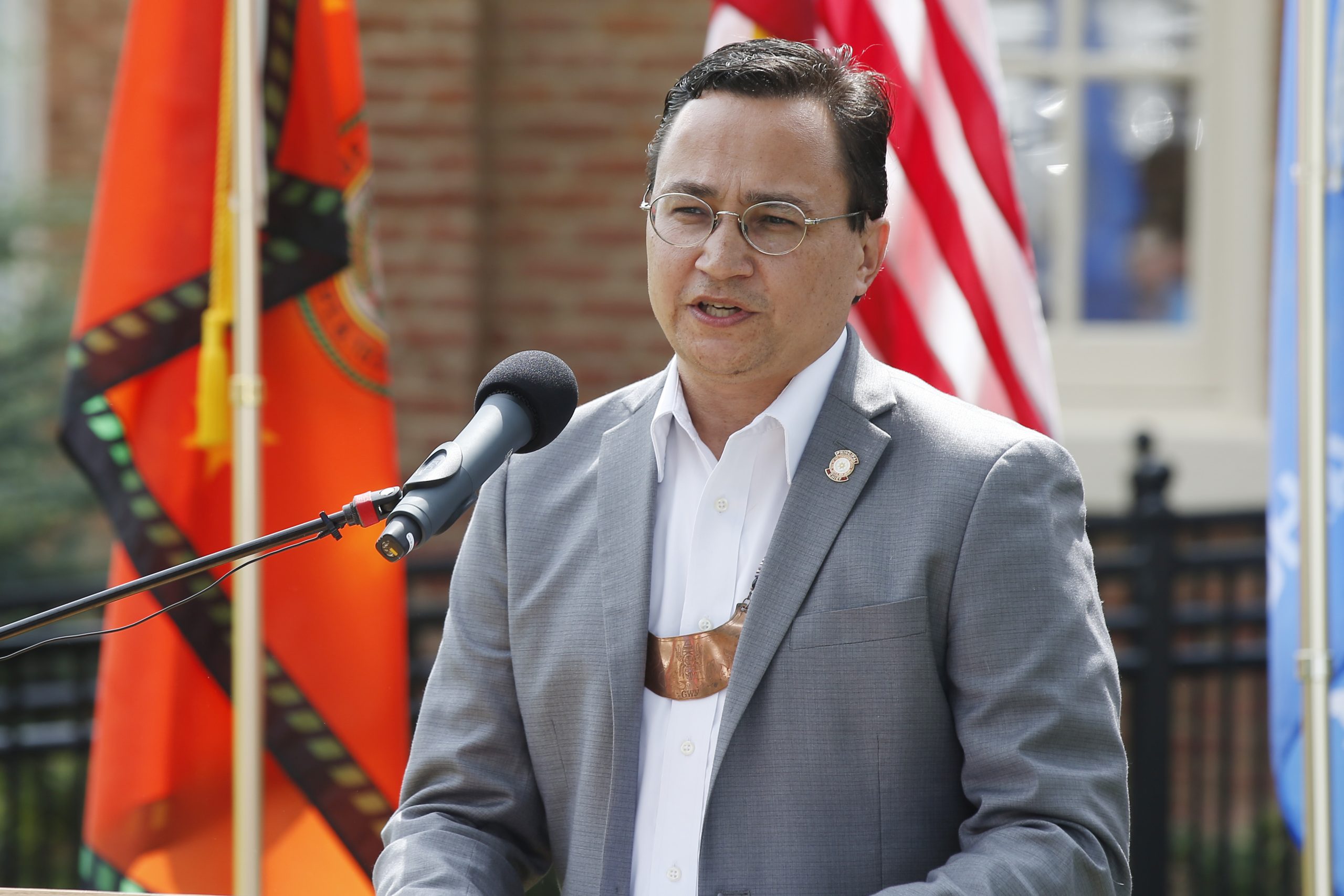
Principal Chief of the Cherokee Nation, Chuck Hoskin Jr., said their issues being represented through policies and agencies in the government is what’s important to the Cherokee Nation.
“Respecting our tribes, our nations among nations, and that our relationship is with the government of the United States and that ought to be built upon respect and of all things consultation on any sort of policy that the government would propose that affects us,” Hoskin said.
Another important issue is healthcare, recognizing that the Cherokee Nation leads best with access to programs like the Joint Venture Program. They utilized it for healthcare facilities while the federal government helped for operative costs.
Law, justice and public safety programs have also been on the Cherokee Nation’s radar since the post-McGirth era, the Supreme Court case that ruled eastern Oklahoma is still tribal lands since it was never disestablished by Congress.
“…Making sure those are adequately funded so that we can do the jobs that we need to do when it comes to protecting people within our reservation,” Hoskin said.
Hoskin mentioned the need for language revitalization and the responsibility the government has in reversing the erosion of Indigenous cultures and languages.
“We have to insist that people who are running for these offices pay attention to those issues, policies and funding that can reverse a century of loss,” he said.
Tribal citizens in the Cherokee Nation are encouraged to vote through their campaign “Cherokee Vote.” Since its inception in 2013, 80,000 Cherokees have registered to vote.
Yet, Hoskin said there’s a second important initiative to actually get them to the polls and vote for their interests. It’s a collective responsibility of tribes, tribal leaders and citizens.
“It’s something we undertake in terms of outreach, we’re reaching out on social media and at community events. We’re explaining why voting matters,” Hoskin said.
Native people in the U.S. were not allowed to vote until the Indian Citizenship Act of 1924 that recognized Native Americans and Alaska Natives as citizens. However, access was not easy as some states used address requirements, literacy tests and other complex rules to try and limit Native voting in local, state and national elections.
It was not until the 1965 Voting Rights Act where Native voting rights were officially solidified at the federal level.
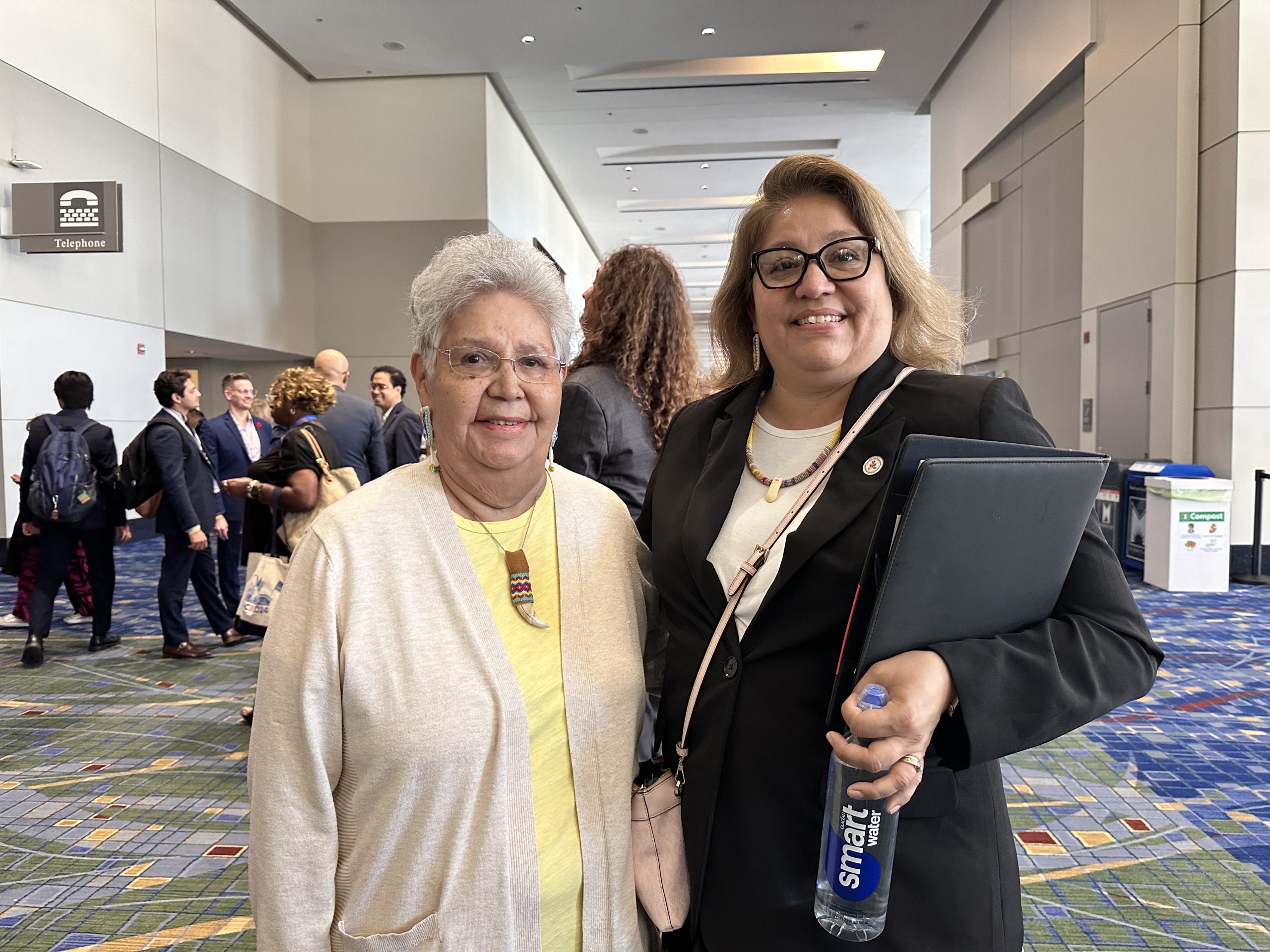
Gena Kakkak, chairman of the Menominee Indian Tribe of Wisconsin, said the inequity of funding throughout tribal nations and regions is an important issue to her.
“Specifically within our IHS funding, the Midwest region is one of the lowest funded. We’re all tribal nations. We all have similar issues, but we all have separate focuses. If each nation had their own discretionary on how to use the funding, because they’re the ones that know what fits for their areas and for their membership,” Kakkak said.
Another issue on her radar is infrastructure.
“…We have such limited land bases within our nations that the infrastructure to be able to provide those services. We have housing and homeless issues, but part of that also goes to the infrastructure for the roads and the water and the sewer,” she said.
Richard J. Peterson, president of the Central Council of the Tglint and Haida Indian Tribes of Alaska said they hope to have a president elected that will work with the tribe, uphold agreements and fund important projects like their compact funding.
“We want elected officials that can work with us to build on that and not for it to deteriorate. My motto has always been that healthy tribes make healthy communities,” Peterson said.
He said that they were able to work with the municipality, the state of Alaska and receive funds after President Joe Biden declared it as a disaster.
“We demonstrate when working with elected officials and our tribes that we can be successful for our whole communities,” Peterson said.
Peterson added they hope their citizens vote for those who reflect and understand traditional values.
“We’re not stressing who to vote for, just stressing the need to do your research, be an informed voter and vote,” he said.

John Lowery, chairman of the Lumbee Tribe of North Carolina, said in an email that the high cost of living expenses, substance abuse and drug use, housing, cost of healthcare and receiving full federal recognition is important to the tribe in the presidential election.
Lowery said that this election is crucial for Native voters because “ our voices need to be heard by all candidates and by all parties.”
“Our issues need to be addressed and because we are a minority, the apathetic response of not voting implies further suppression which can silence our tribal nations and leads to the ultimate denial of our inalienable rights. If we do not vote, the needs of our communities are not properly heard and we are forgotten in the larger discussions at the national level,” he said.
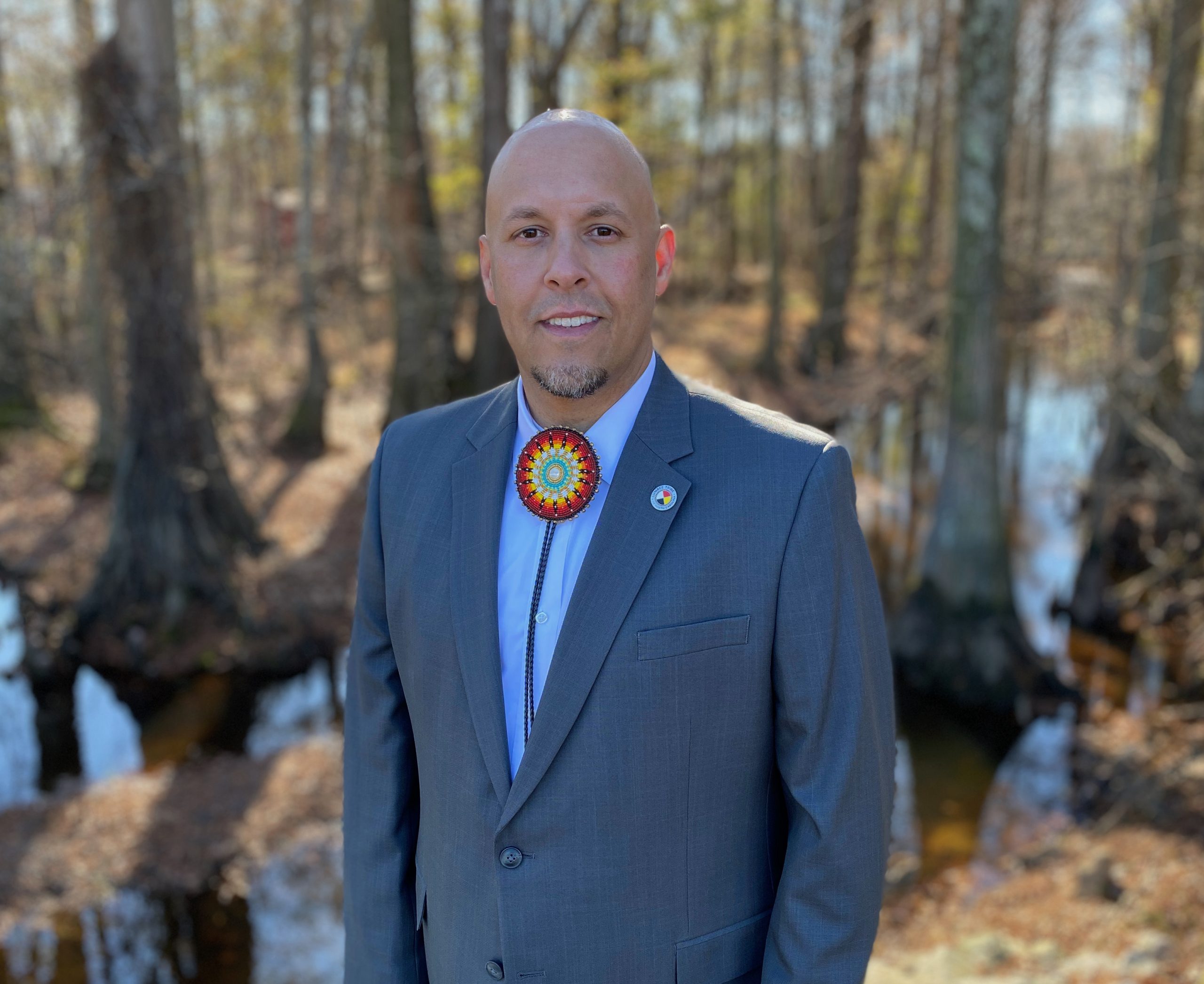

Choctaw Nation Chief Gary Batton said that sovereignty is their most important issue.
“And of course always the issue for us is service delivery to our people and making sure that again it goes back to the treaty — all the proper healthcare, education — those things are provided to us to assure a bright future for our tribal members,” Batton said.
He said they do try to outreach to Choctaw citizens through emails, social media and Batton writing in their tribal newspaper.
In 2022, Batton signed the Voter Registration and Voter Education Proclamation to encourage “educated Choctaw and Choctaw-aligned voter participation in local, state, and federal elections.”
He added that everyone needs to vote, whether you’re Native or not.
“Again, I cannot stress enough that it’s a responsibility. It’s something we should be held accountable to that everyone gets out to vote. Otherwise, if we have a government that does not represent us, it’s because we didn’t get out to vote.” Batton said.

ICT is owned by IndiJ Public Media, a nonprofit news organization. Will you support our work? All of our content is free. There are no subscriptions or costs. And we have hired more Native journalists in the past year than any news organization ─ and with your help we will continue to grow and create career paths for our people. Support ICT for as little as $10. Sign up for ICT’s free newsletter.
