
News Release
U.S. Department of the Interior
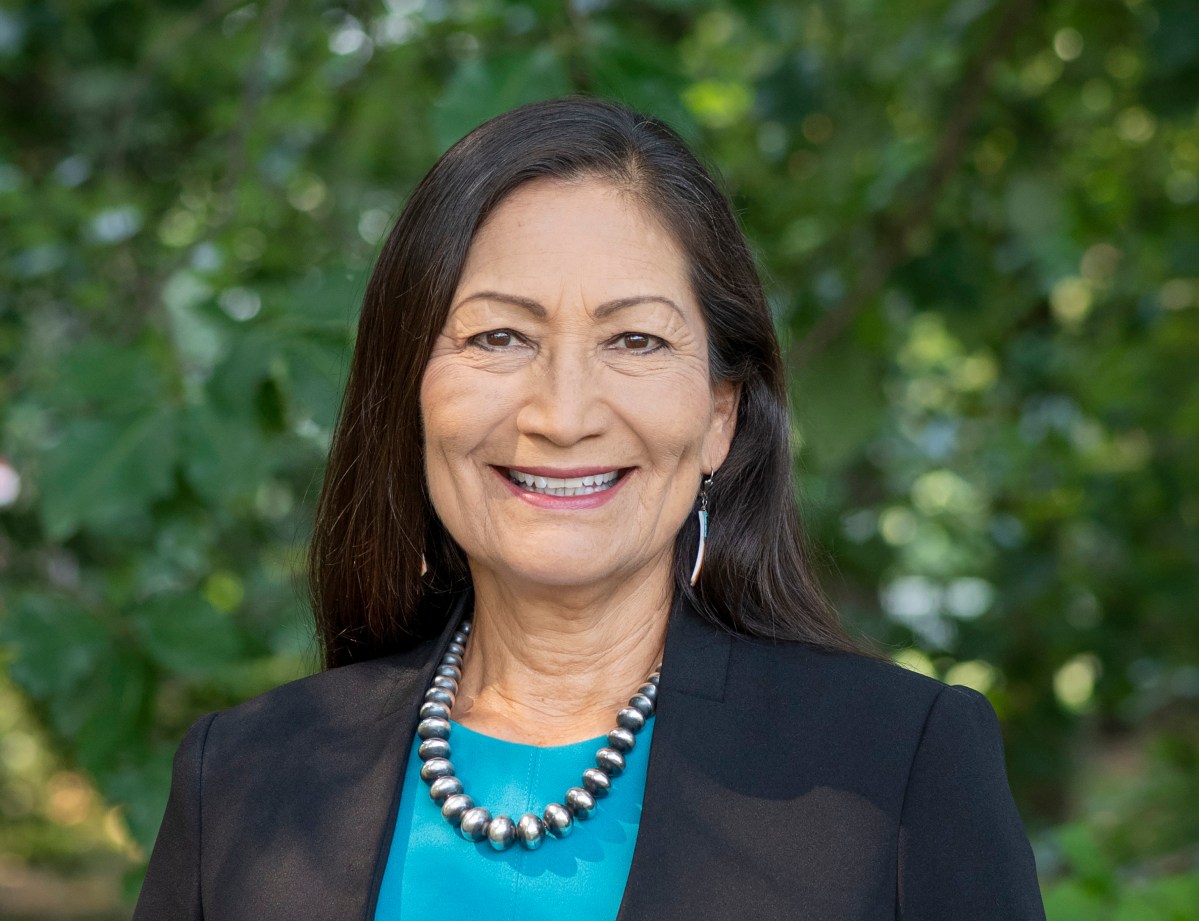
Secretary of the Interior Deb Haaland recently visited Australia and Aotearoa New Zealand to highlight the importance of international cooperation to address the climate crisis, preserve land and marine environments for future generations and honor Indigenous communities. The trip showcased the interconnectedness of the Interior Department’s mission and priorities with those of our international counterparts in the Indo-Pacific region.
Select media coverage is below
Secretary Haaland Highlights Value of Pacific Nation Engagement in Australia Visit
In Australia, Secretary Haaland, U.S. Ambassador Caroline Kennedy and the U.S. delegation visited sites that speak to the importance of close collaboration to address the climate crisis and steward our lands and waters. The trip underscored the enduring partnership of the two countries and commitment to continued collaboration on issues including climate change and marine conservation, clean energy development and critical minerals mapping, wildfire management and support for Indigenous communities.
Wall Street Journal: To Prevent Huge Wildfires, Australia Leans More on Indigenous Wisdom
When Tremane Patterson sets fire to the countryside, the 34-year-old walks alongside the flames, using leaves and branches to put out embers and make sure the fire stays along his desired path. Mr. Patterson, from the Banbai nation, is one of many indigenous Australians seeking to reintroduce cultural burning, a practice that was widespread for thousands of years but was disrupted after Europeans colonized the continent. “We just walk with it, and we just listen to the peaceful sound of the crackling of the grass,” Mr. Patterson said. “We’ll probably be burning a lot more this year and in the coming years.”
NITV: Deb Haaland: the United States Secretary of the Interior interview
This week has seen the visit to Australia of United States Secretary of the Interior Deb Haaland, the first Native American person to serve as a Cabinet Secretary. This is also the first visit to Australia by a US Cabinet Secretary in more than a decade. The Department of the Interior manages 200 million hectares of public land, that’s about one fifth of the United States, with responsibility for energy management, drought and fires, national parks and wildlife refuges. Secretary Haaland is making it her priority to give Indigenous peoples a greater voice and greater power, particularly in the area of utilizing tradition practices to combat climate change.
National Indigenous Times: Indigenous knowledge can tackle climate crisis, first Native American Secretary of Interior tells Boorloo/Perth gathering
The first Native American to serve as a United States cabinet secretary gave a keynote address in Boorloo (Perth) this week on the importance of Indigenous knowledge and leadership in tackling the climate crisis. A member of the Pueblo of Laguna and 35th generation New Mexican, US Secretary of the Interior Deb Haaland called for Indigenous-led conservation to combat climate change. Secretary Haaland is currently visiting Australia to highlight the importance of Indigenous knowledge, collaborative conservation and international partnerships to inform the global effort to fight the climate crisis.
Enduring International Collaboration a Focus of Secretary Haaland’s
New Zealand Visit
In Aotearoa New Zealand, Secretary Haaland, U.S. Ambassador to New Zealand and Samoa Tom Udall and the delegation highlighted the United States’ role as a Pacific nation. For more than 70 years, the Department of the Interior has worked with counterparts in New Zealand on issues ranging from wildland fire response and natural hazard monitoring to wildlife conservation and responsible energy development. The visit came as Aotearoa New Zealand continues to recover from the devastating impacts of Cyclone Gabrielle, and it underscored why international collaboration is critical in the face of a changing climate that is bringing increasingly extreme weather events.
Stuff: US will ‘do our best’ to help after Cyclone Gabrielle, Interior Secretary Deb Haaland says
US Interior Secretary Deb Haaland says the US “will do our best” to assist New Zealand with the recovery from Cyclone Gabrielle. Haaland, a high-ranking Biden administration official responsible for federal lands and relations with indigenous communities, visited Wellington on Monday and met with Foreign Minister Nanaia Mahuta and Māori Development Minister Willie Jackson. Haaland said the US “stands with you”, as the Hawke’s Bay and Tairāwhiti regions recover from last week’s destructive cyclone, which has so far caused 11 known deaths.
New Zealand Herald: US Secretary of the Interior chokes up at Beehive pōwhiri
US Secretary of the Interior Deb Haaland has spoken of the resilience and importance of indigenous communities, and pledged her government’s support to the Cyclone Gabrielle clean-up, during a emotional pōwhiri in Wellington. Haaland is in the capital to discuss how Aotearoa and the United States might work together on shared challenges like the mitigation of climate change, and the advancement of indigenous communities, she will attend Te Matatini.
1 News: Top US politician tears up after pōwhiri at Beehive
A traditional Māori welcoming ceremony proved an emotional experience for a top US government official today. US Secretary of the Interior Deb Haaland is in New Zealand this week, a trip focused on cooperation between the two countries to address climate change, advance conservation measures and collaboration between indigenous communities. The US Department of the Interior manages the country’s natural resources and cultural heritage. Speaking at a pōwhiri at the Beehive today, Haaland, who is Native American, a member of the Laguna Pueblo tribe, choked up, saying as countries New Zealand and the USA agreed indigenous people had “something to offer”.
About the U.S. Department of the Interior
The Department of the Interior (DOI) conserves and manages the Nation’s natural resources and cultural heritage for the benefit and enjoyment of the American people, provides scientific and other information about natural resources and natural hazards to address societal challenges and create opportunities for the American people, and honors the Nation’s trust responsibilities or special commitments to American Indians, Alaska Natives, and affiliated island communities to help them prosper.

