

Sandra Hale Schulman
Special to ICT
In a tribute to her dual Mexican and Prairie Band Potawatomi heritage, award-winning chef Pyet De Spain has crafted a book that shines light on the diversity of food, the stories, traditions, culture, and philosophies of Indigenous people.
“Rooted in Fire: A Celebration of Native American and Mexican Cooking” came out in November and is the first book from the Next Level Chef winner who wowed the judges with her love of her heritage. This collection of mouthwatering recipes cooks up a vibrant fusion tied to the land.
DeSpain rose to prominence as the first winner of Gordon Ramsey’s television show Next Level Chef and has since written a book and started a TV show, Spirit Plate. In 2021, Entrepreneur Magazine named her one of the Top 25 best private chefs in Los Angeles. She uplifts Indigenous culture and traditions through storytelling, traveling and cooking. Originally from the Osage Indian Reservation and Kansas City, Kansas, she now lives in Los Angeles.

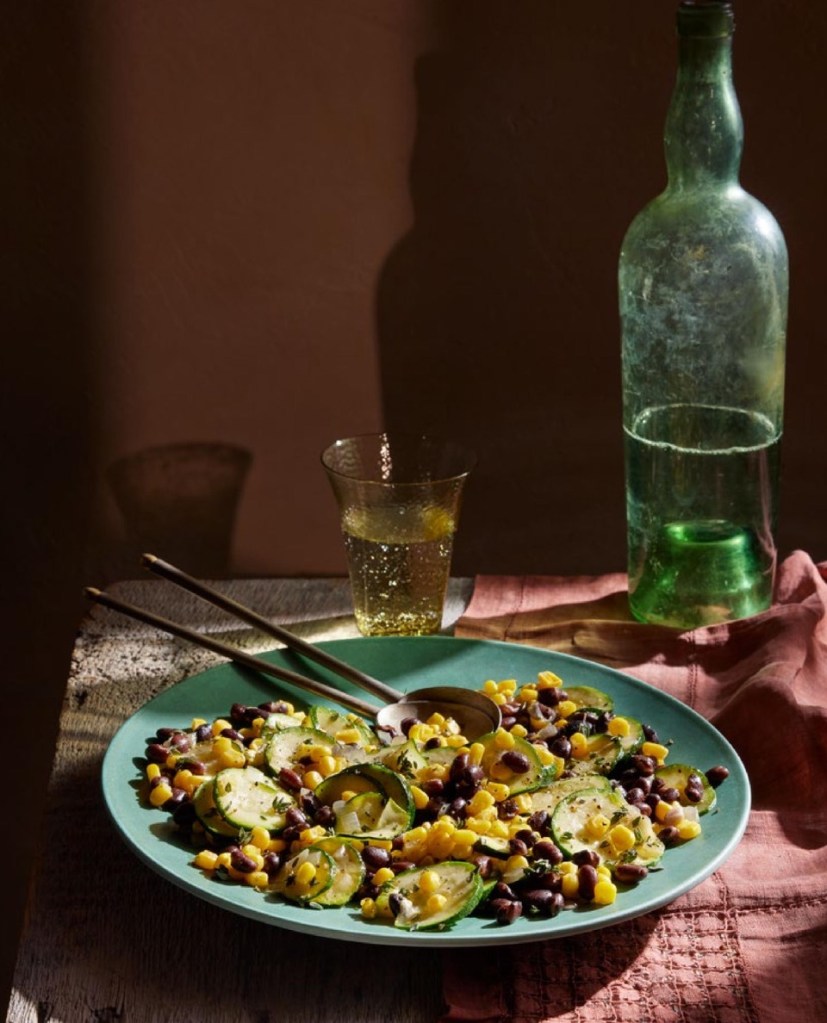
She shows how to incorporate key ingredients, some of which are exotic like venison, dandelion greens, and wild salmon, as well as many that can be made with grocery store ingredients. She shows readers how to combine those ingredients into 60 fusion dishes, such as three sisters salad, bison and sweet corn soup, Mexican chocolate and mezcal cake, corn silk and honey tea, and a wojapi-based BBQ sauce.
“This is more than just a cookbook,” Pyet told ICT. “It’s giving a voice to Indigenous people, while also highlighting the fusion of my two cultures with fire and purpose. Luckily, the cookbook happened shortly after my win on Next Level Chef. The contract was in place in 2022. It’s been a few years now in the making. A lot has changed since then, but this is a good introduction of who I am post Next Level Chef beyond what is seen on TV cooking competitions. I see it as my starting point to developing my career as a chef, focusing on Indigenous foods and educating myself and sharing that journey with others. That’s what ‘Rooted in Fire’ represents for me.”

Originally the book was supposed to be called “Pyet’s Place,” but as it developed her editors felt her passion and fire for cooking and teaching was so strong that it felt better to call it “Rooted in Fire” as a double meaning because that is how she is – and where she came from.
She already has praise from the top chefs in the business.
“(Pyet’s) voice is heartfelt, her vision and dedication are clear, and her talent within the Indigenous food movement is undeniable. This book marks an important chapter in her growing legacy,” said Sean Sherman, the “Sioux Chef.”
“Pyet’s talent is evident in every recipe in this book. The way she weaves her heritage into her dishes is extraordinary. … Trust me, you’re in for an absolute treat,” said Gordon Ramsay, celebrity chef and TV show host.
How did she choose the recipes? Were they things that she had already been cooking, things that she wants to teach others to cook, or was it somewhere in between all that?
“I wanted to highlight things that folks are already familiar with and educate them,” De Spain says. “Did you know this was Indigenous or did you know that this is how you can utilize it this way? It’s a starting point and obviously there’s much more to come in terms of education. I wanted folks to have access to ingredients that they could go to their local grocery store and cook these recipes.”
“There are things that I grew up on like my grandma’s bean recipe, simple recipes, not over complicated and just to celebrate the ingredients and the meaning behind them. I wanted it to be something that was approachable to folks that want to know more about the chef and interested in how Mexican and Native food meet each other in the middle. The border that now exists didn’t exist back then.”
What are some of her personal favorite things to cook and to eat?
“There are a lot of recipes in the book that are staples in my home and things that I cook pretty often. One of them is a wild rice recipe with poblano peppers and mushrooms. It’s literally in the fridge right now. Bison meatballs, my fiancée Eric (Eric Hernandez, champion hoop dancer and film producer) is a huge bison meatball fan, so we always have some of that going in our rotation of meal prep because it’s an easy recipe but also, it’s healthy and we keep bison in our circulation of proteins. We don’t eat pork, but turkey and bison we eat often here. Bison is easier to get in supermarkets now.”
“Another one of my favorite recipes that’s in the cookbook is a corn cake. That’s nice and something that we keep in the house. We have it with coffee in the morning, and you can mix it up, add maple glaze on it with nuts, or if it’s during the summertime we can add fresh berries or raisins.”
De Spain has plans for a book tour with signing events and panel discussions. She wants to get the book in the hands of Indigenous youth across Turtle Island at the Boys and Girls Club and cultural centers at reservation locations. There is a list of words at the beginning of each chapter that pertains to what that chapter is aligned with like the hunter’s way focusing on proteins. The list of words is translated into her Potawatomi language.
“I’m not a fluent speaker,” she says, “but I’m learning how to incorporate language into not just the work that I do but my everyday life and inspire other folks to learn those words in their own language and maybe bring that to the dinner table and have discussions around it. We live in this modern day world now and people ask, ‘How do I bring that traditional way and that traditional lifestyle into my kitchen or into my home?’ It can just be something as simple as learning a word and making sure that you’re utilizing it and practicing that and other folks can be encouraged to do the same with their language.”
Her other project is called Pyet’s Plate, a cooking traveling show where she goes to six different Indigenous communities including Hawaii to explore the Indigenous foodways of each location. She highlights ingredients and does a knowledge exchange.
“I’m learning a lot and it’s basically bringing the viewers into this experience in these environments and seeing the beauty and the variety of ingredients that you can find regionally. It’s the sacredness and the story and the connection that people have with their food and with the land. It’s a special project for me along with the cookbook. The show is coming out on PBS’s digital platform.”
“I hope people become just as passionate about these things as I am. We have consumer power and power over our health and heritage.”

