Join ICT and IndiJ Public Media’s 2024 End of Year Campaign in honor of Mark Trahant’s 50-year legacy in Indigenous journalism. Help us reach our goal of $75,000 by Dec. 31 to celebrate and amplify Indigenous voices. Donate here!
Kevin Abourezk
ICT
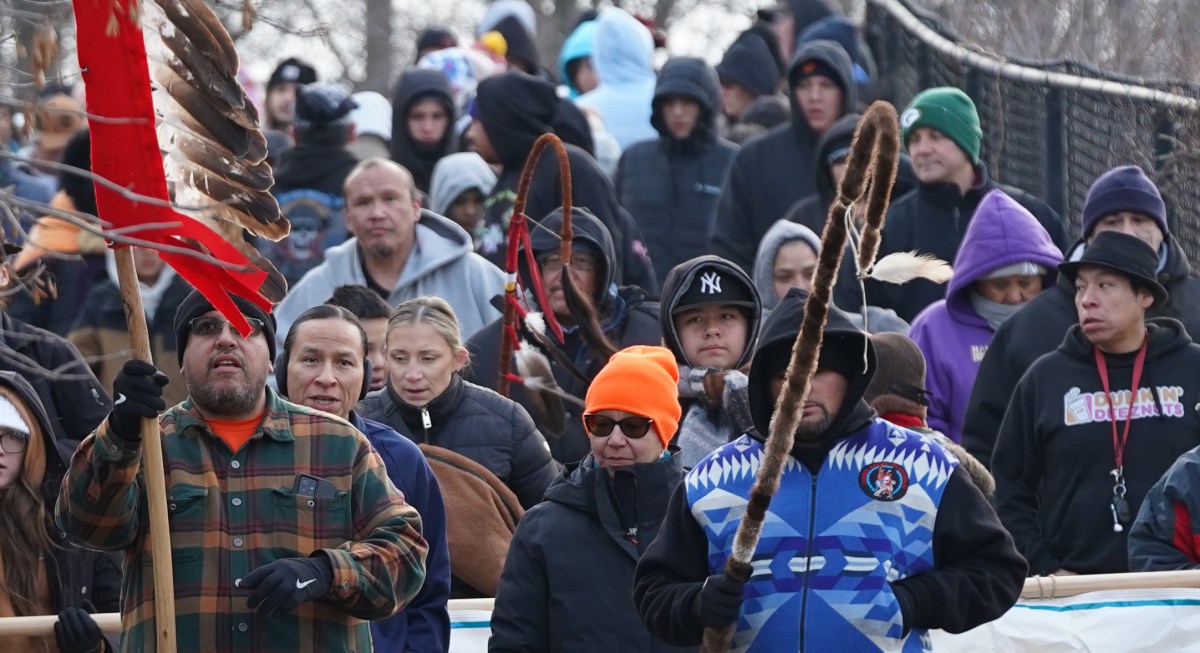
SIOUX CITY, Iowa – As a cold wind bit deep into their coats and hats, more than 100 people walked a winding gravel road down a gently sloping hill.
Children scurried around the ribbon skirts of grandmothers. Friends and relatives laughed. Young men carried sacred eagle feather staves. Old men and their grandsons rode horses.
They came to honor Native children taken from their families and placed into the care of non-Native foster families, children they affectionately call “lost birds.” They came to raise awareness of the deaths of Native children in non-Native foster homes.
But they also came to honor those who started the Annual Memorial March to Honor Our Lost Children 22 years ago.
Frank LaMere, a revered Nebraska political figure and social justice advocate who died in June 2019, and Judy Yellowbank, a beloved Native community center director who died in October 2016, began the march in 2002.
They hosted the march to bring awareness to the disproportionate rates of removal of Native children from their families and the challenges those families faced in trying to bring their children home.
Too many Native children were being abused and murdered in state foster homes, they said. But deaf ears turned their pleas into anger, and they sought a way to express that frustration.
Michael Murphy is an Omaha, Neb., folk musician who hasn’t missed a single march since being invited to the first one by LaMere. On Wednesday, he performed music with his acoustic guitar and Native flute inside Jackson Recovery Centers, a treatment center, where marchers stopped briefly for coffee and speeches.
He shared his memories of LaMere and Yellowbank.
“They made an impact on all of us, and people who met them were made better by them,” he said.
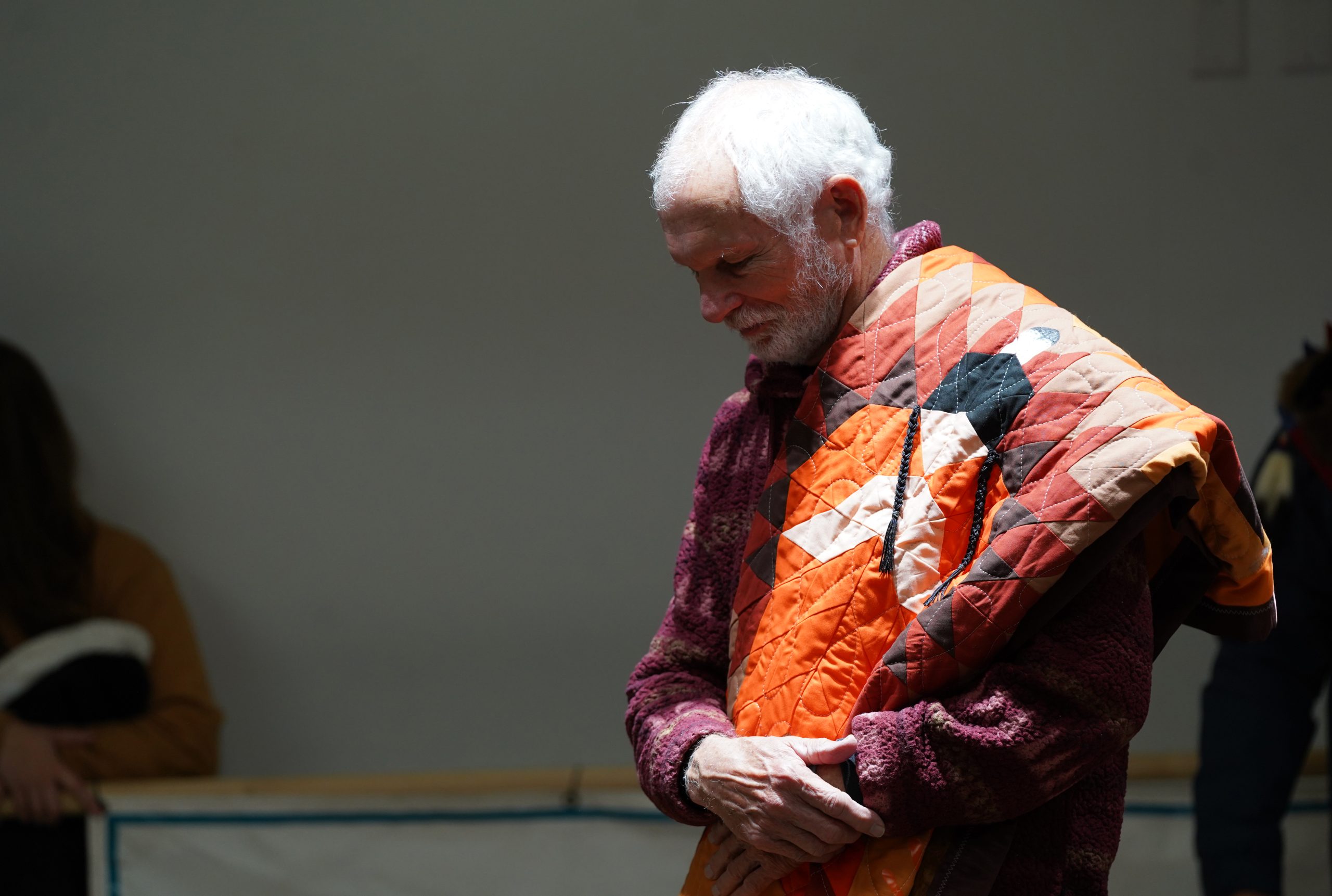
Shortly after speaking, LaMere’s children – Manape and Jennifer – draped a star blanket over Murphy’s shoulder as a drum group performed an honoring song. Afterward, many of the nearly 150 people in the audience walked to the front of the room to shake Murphy’s hand.
“They became brothers,” said Terry Medina, the event’s emcee, of Frank LaMere and Murphy.
In the early years of the march, much of the focus was on the injustices perpetrated on Native children and families by the child welfare system.
As the years have passed, many of those who speak during the five-mile long march through Sioux City use the opportunity to call upon the Indigenous mothers and fathers in attendance to get sober and care for their children so they won’t lose them.
“We have to live better lives,” said Anthony Yellowbank Sr., Judy’s Yellowbank’s son. “We have to make better decisions for ourselves, for our families.
“Don’t be afraid to be strong.”

On the next leg of the march, under the stained-glass rotunda of the Woodbury County, Iowa, Courthouse, District Court Judge Robert D. Tiefenthaler – the first black judge in the Iowa Third Judicial District and the husband of an Isanti Dakota woman – also urged Native people to become foster parents.
He said judges don’t want to remove Native children from their families, nor do they prefer to place those children in non-Native homes, but they have little choice because of the lack of Native foster parents. When he began his judgeship in 2022, Woodbury County – home to nearly 2,400 Native people – only had six Native foster families.
“Give me people who are willing to step up and take these children,” he said. “Do it for the children.”
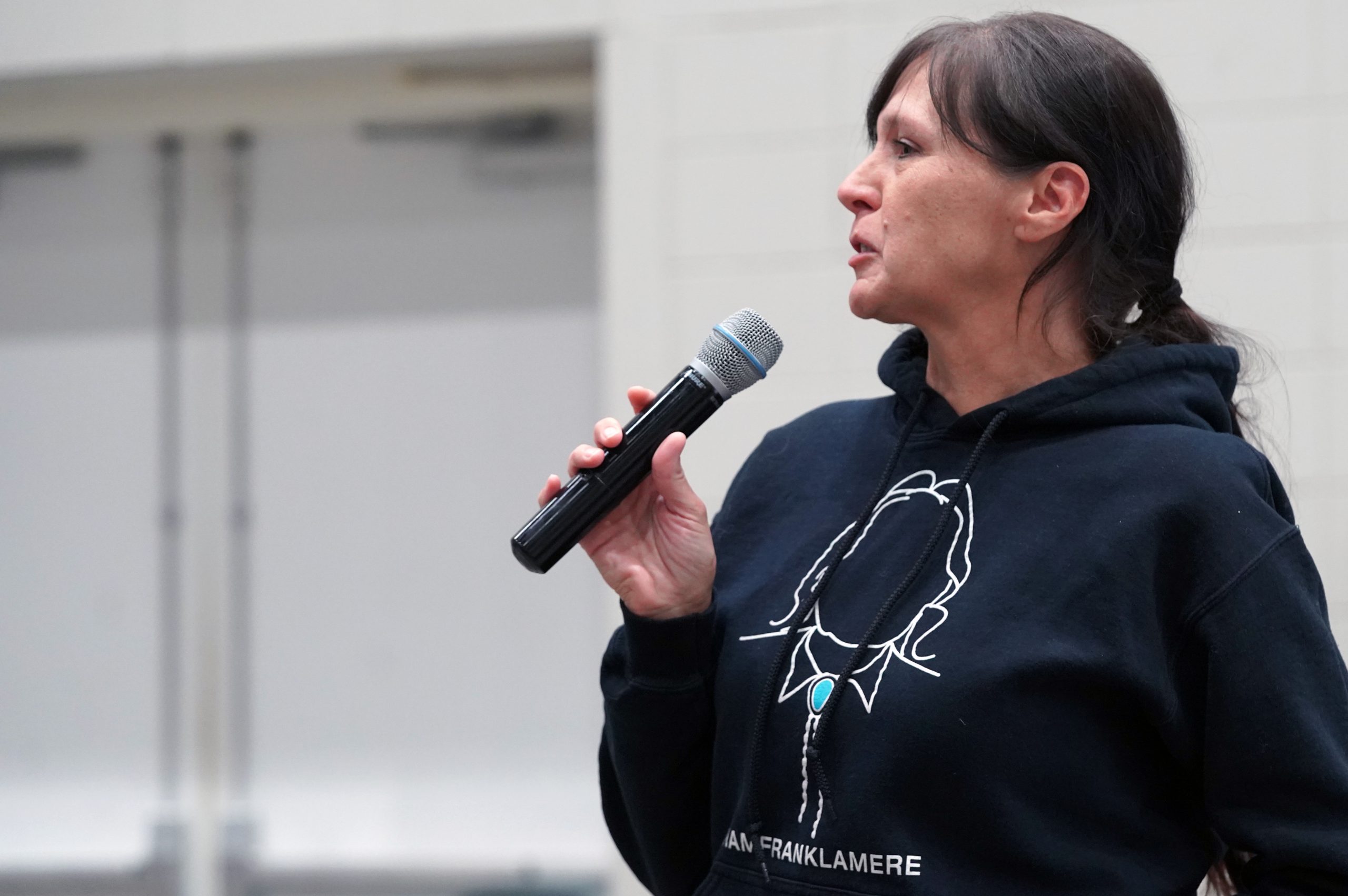
For the first time in the march’s history, one of its founder’s daughters joined the procession. Jennifer LaMere traveled from her home in Oklahoma City to participate, five years after her father’s death.
She expressed embarrassment at participating for the first time, saying she has too long blamed work for keeping her away.
“Look at how many folks are still coming together,” she said. “It’s an honor to be here around so many people who knew Judy and my dad.”

Our stories are worth telling. Our stories are worth sharing. Our stories are worth your support. Contribute $5 or $10 today to help ICT carry out its critical mission. Sign up for ICT’s free newsletter.