
Miles Morrisseau
ICT
A clash between reality and the absurd in the Indigenous comedy, “Acting Good,” piles up to the point where you don’t know whether the joke is funny because it is outrageous or funny because it’s true.
Or both.
Based on the semi-autobiographical story of Anishinaabe comedian Paul Rabliauskas, the television series is the top-rated show on top-rated CTV Comedy, drawing rave reviews and laughs among Indigenous viewers and others with its look at the fictional northern Manitoba community of Grouse Lake.
The show isn’t just dropping F-bombs left and right. It is also dropping some Indigenous curse words like weenuck and geed. (I’m not explaining, but it’s pretty basic potty humor).
Let’s be real — getting laughs in the language is the ultimate inside joke.
Sometimes the show goes deep for that laugh.
In Season 1, for example, a secondary character named Stephen Harper, which, not coincidentally, is the same name as a former Prime Minister of Canada who is notoriously unpopular among Indigenous peoples despite his historical apology in the House of Commons.
It turns out that this hometown Harper is dating Paul’s former girlfriend and this seemingly nicest guy on the rez is supremely sorry for the awkward situation.
When Paul shouts out, “As if! What do you know about apologies, Stephen Harper?” it is a hilarious moment. Yes, it’s a long way to get to the joke, but it’s so worth it. The joke only works if you know that history and you have a sense of humor.
That joke is for us. That joke is for Indigenous people.
Hidden gems
“Acting Good” is the first Indigenous comedy series to air on CTV Comedy Channel, with exteriors that were shot at the Brokenhead Ojibwe Nation, an Anishinaabe First Nation about 40 miles northeast of Winnipeg, Manitoba.
The show is in its second season in Canada on APTN and CRAVE TV, and is available for Canadian viewers via Apple TV+, iTunes, or through download from Google Play. Some mini-trailers are available in the U.S. on YouTube.
It is based on the semi-autobiographical story of comedian Rabliauskas, played out with a protagonist also named Paul and his nemesis, his sister Jo.
Rabliauskas plays the role of the lead character, who has returned to the rez after living it up (or not) in the big city, hence the title “Acting Good,” a term that is a common put-down in Northern Indigenous communities when someone’s ego needs deflating. Rabliauskas was a former radio DJ host for NCI and Streetz, and is now a stand-up comedian.
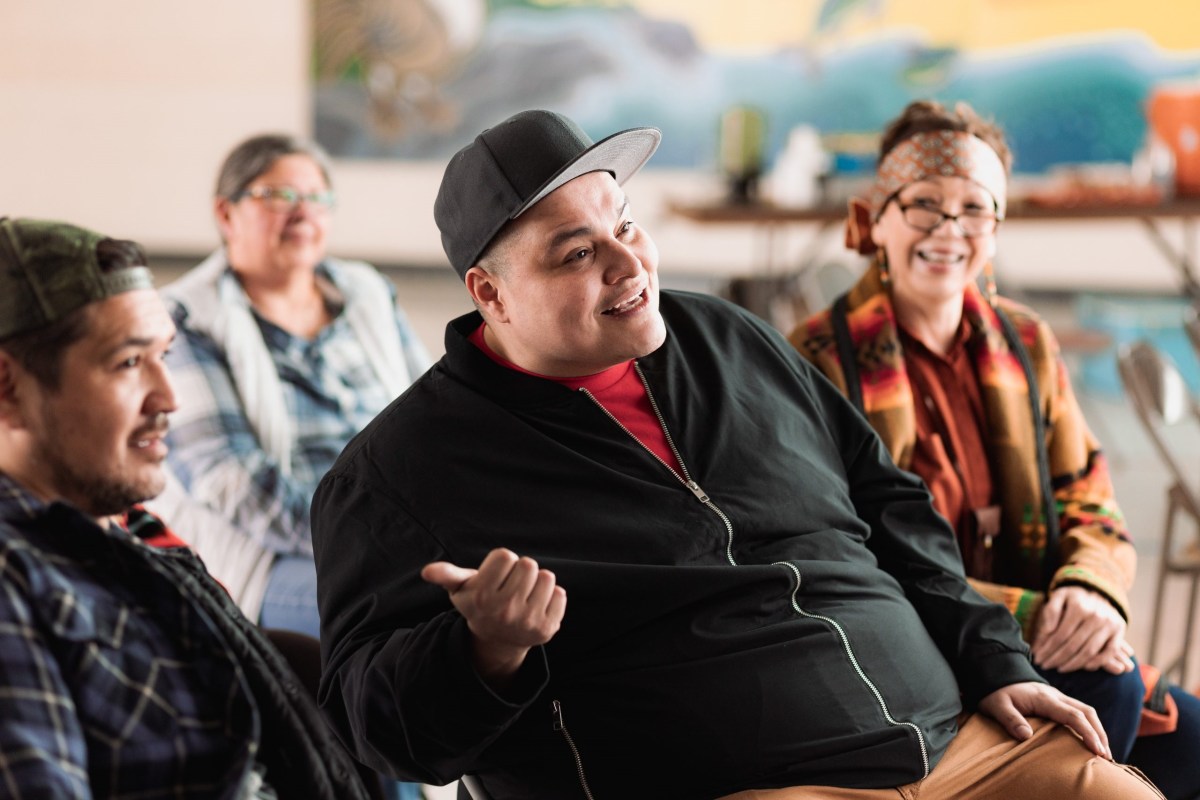
The first season was built largely around gleaning laughs from the situation of Paul returning home and trying to fit back into life on the rez, including living with his Mom and competing for her attention with Jo and sometimes his best friend.
The season does have episodes that break away from the main story line as hilarious stand-alone stories.
Another Season 1 episode, “Battle in the Bush,” written by Sonya Ballantyne of the Misipawistik Cree Nation, received a nomination from the Writers Guild of Canada for best writing in a comedy series.
The episode is highlighted with a wrestling match featuring Mr. Indian Affairs as the heel who denies funding for housing and dental work only to be vanquished by Indigenous hero Iron Claw.
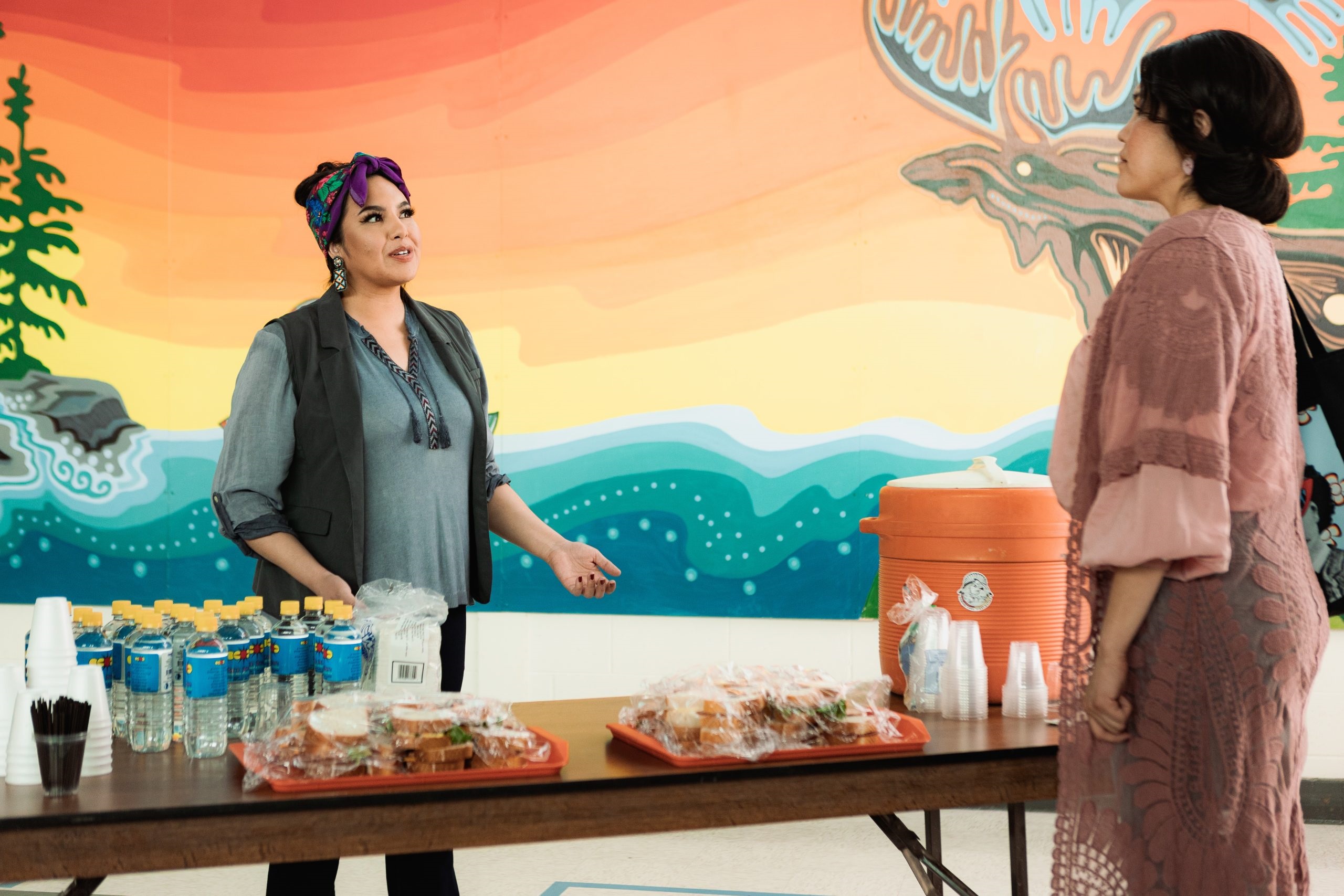
In the second season, Jo, played by Roseanne Supernault, Metis/Whitefish Lake Atikameg First Nation, is running for chief. At the local DJ’s announcement about the campaign, Jo complains, “Mixed Martial Arts for the elders. Give me a break. (Comedic pause). He knows we’ve already tried that.”
Tina Keeper, Cree, who plays Paul’s mom, Agnes, is also a producer of the show under her banner Kistikan Pictures. Keeper starred in the longest-running Indigenous drama in Canadian history, “North of 60,” which ran for six seasons beginning in 1992 and included two television movies after the series ended. Keeper was elected to the House of Commons in Canada in 2006.
There is also a talented writing team behind the show, including Tim Fontaine of the satiric news site, Eagle Feather News, which is referenced in one of the many Indigenous Easter eggs in the series, which include all posters and T-shirts that say Teenage Mutant Anishinaabe and those famous cartoon Ninja turtles.
‘Comedy gold’
The series developed after Pat Thornton, one of the executive producers, saw Rabliauskas’ stand-up show in Winnipeg in 2015 and approached him to tell him how much he enjoyed his set.
In 2017, Thornton flew to Winnipeg with Eric Toth, now another executive producer on the show, to meet up with Rabliauskas. They came up with three ideas for a show revolving around Paul, then pitched the show later that year to broadcasters, according to details provided by the show.
After a positive meeting with Bell Media, the creative team connected with Buffalo Gal Pictures and Kistikan Pictures, and development of the series began in May 2018.
The influence of the absurdist comedy of Dan Harmon’s TV series, “Community,” and BBC imports such as “The IT Crowd,” and “Darkplace,” is apparent.
Upon this skeleton, the bits and pieces of Indigenous humor and our own absurd worldview are the flesh, blood and soul of this new comedy monster.
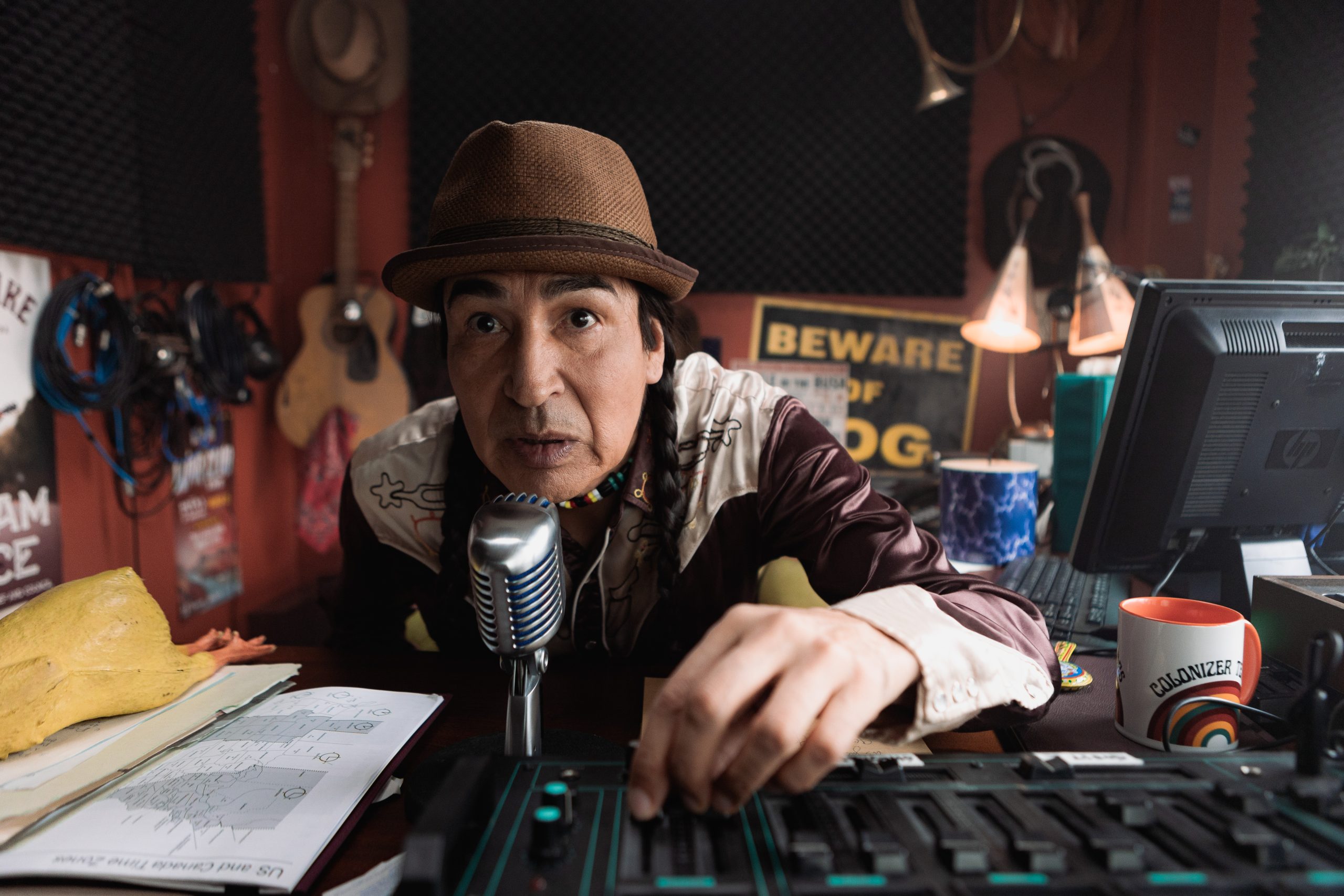
Legendary Cree actor and writer Billy Merasty is, of course, legendary as radio DJ Roger Laughingstick in the series.
His role plays on the trope that radio is a central part of life for Indigenous Peoples in community. That’s still true, of course. Community radio and radio bingo are still essential, particularly the farther north you go and the more isolated you become.
Merasty has among the best lines in the whole show, and the songs he plays and the artists he features are all fictional and all funny – sometimes not so much, sometimes very much. It all depends on you. Do you think a song called “Crying on My Moon” is funny? I do.
The episode where he thinks he won a half-million dollars is worth that much in comedy gold. I don’t know if he is doing all his own clothes, but I feel that some of these outfits and jewelry are coming from his own closet. He is a style icon.
Another legend of style and grace, actor/dancer Michael Greyeyes, who also directs the series, brings a greasy savoir faire to his portrayal of Cousin Leon, who is described as a “scammer scammer” in the show.
Greyeyes, who is Plains Cree from the Muskeg Lake Cree Nation, played a slick corporate executive in the series, “Rutherford Falls,” and he’s gone from smarmy to slimy as Leon, who challenges Jo for chief in Season Two.
What’s next?
There has been no announcement regarding a third season, but the show is clearly a hit.
According to a Bell Media release on Dec. 5, “Acting Good” is now the number one reason CTV Comedy is the top-rated entertainment speciality channel in Canada.
In the coveted demographic ages 25-54, CTV Comedy is the number one Canadian entertainment specialty channel for the fifth consecutive year, tying the record previously held by Discovery for the longest a channel has been the most-watched.
With Season 2 of CTV Comedy Original “Acting Good” underway, the hit series is already CTV Comedy’s number one series this year with that 25-54 demographic.
Acting good, indeed.
*Correction: This story has been updated to note that “Acting Good” is available for viewing in Canada on APTN and CRAVE TV, and via Apple TV+, iTunes, or through download from Google Play. It is not yet available to U.S. viewers, though some mini-trailers are available on YouTube.

Our stories are worth telling. Our stories are worth sharing. Our stories are worth your support. Contribute $5 or $10 today to help ICT carry out its critical mission. Sign up for ICT’s free newsletter.

