Joaqlin Estus
ICT
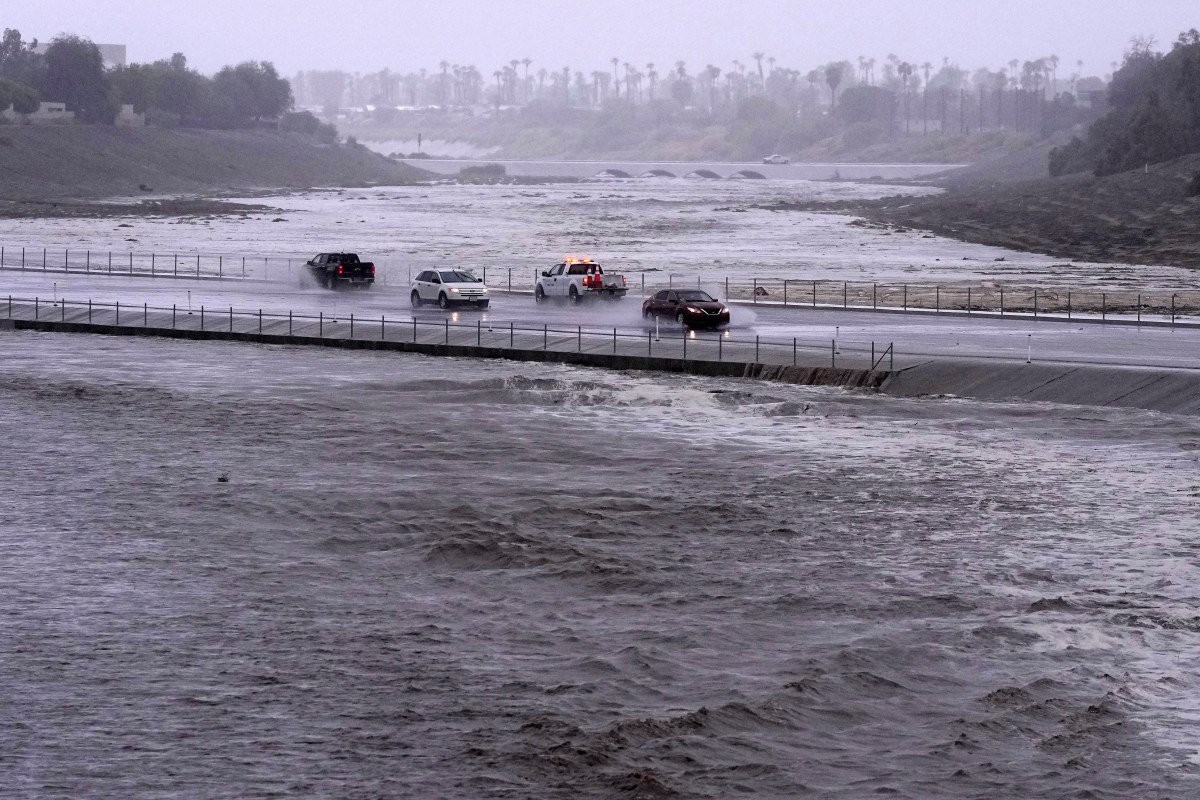
Hilary, the first tropical storm to hit Southern California in 84 years, flooded roads, toppled trees and forced a rescue by bulldozer of more than a dozen older residents trapped by mud in a care home Monday as it marched northward. The storm prompted flood watches and warnings in half a dozen states. However, tribes in southern California seem to have been spared major damage, and Hilary is now dissipating as it moves over the Rocky Mountains.
San Bernardino County reports at least one woman is missing after her trailer was washed away, and 30 residents were stranded by floodwaters from the Santa Ana River. Some of them, and one woman with a minor leg injury, were evacuated by helicopter. Others opted to stay in their homes and wait for flood waters to recede.
Otherwise, no serious injuries or extreme damages have been reported in the state. Officials warn that risks remain, especially in the mountainous regions where wet hillsides could unleash mudslides, according to the Associated Press.
Hilary is just the latest major weather event to wreak havoc across the U.S., Canada and Mexico. Hawai’i’s island of Maui is still reeling from a blaze that killed more than 100 people, making it the deadliest U.S. wildfire in more than a century. Firefighters in Canada are battling that nation’s worst fire season on record.
Matthew Teutimez, a citizen of and biologist for the Gabrieleno Band of Mission Indians Kizh Nation, said most of Los Angeles escaped relatively unscathed but it easily could have been much worse.
“Fortunately for us, L.A., we prepared, and I will give credit to a lot of our agencies that they put out the word hard and heavy to let us all know, ‘Hey … get your sandbags out, get all your preparations ready.’”
He said there was flooding and mudslides in areas where expected. “There were, of course, unexpected times, but not in the realm of where it caused a lot of havoc.”
Still, he said, the timing and magnitude of the storm “is just another expression of our earth hurting, and kind of being out of whack. And together, I think this experience helps us understand that the earth is crying, is hurting, and these events, you know, aren’t in the regular cycles that our earth is used to. … We need to be aware that hey, stuff is happening, guys, during our generation of our lives.“
”Our earth doesn’t act in this way unless there’s a reason for it,” he said. “And I feel that this was just another cry from our earth to explain to us that ‘guys, you gotta be able to handle yourself and work with me instead of against me,’ you know?”
He said it’s time to act. “If these catastrophes keep on happening … then our future generations are going to have to be prepared every single day for these unforeseen circumstances that may occur within nature. And that seems, you know, for us it’s wildfires, it’s these floods, and now we’ve got hurricanes that could be thrown into the mix. Of course, our earthquakes, we had an earthquake (magnitude 5.1) at the same time we were having the wild weather.”
SUPPORT INDIGENOUS JOURNALISM. CONTRIBUTE TODAY.
Mikayla Mendoza is emergency services coordinator for the Soboba Band of Luiseño Indians in San Jacinto, Riverside County, about a two-hour drive southeast of Los Angeles. She said earlier winter storms, advance warning for this one, and preparedness also helped prevent catastrophe there.
“We saw an extensive amount of flooding in the winter storms that occurred in January, February, March of 2023. So we were very well aware of what our problem areas potentially would be again, and we focused our efforts there and tried to mitigate flooding in those locations as much as possible.
“Operationally, our public works team put a lot of sandbags in some of our problem areas. On the emergency management side, we did a lot of community outreach and notifications to prep the residents for the incoming storm. So that included tips and tricks like make sure you’re ready, that you sandbag your problem areas, that you’re opting to get emergency alerts that you follow, National Weather Service storm tracking, and that you tie down any loose items outside that may blow away or may be water damaged.”
“I think that if we wouldn’t have put as much effort into the preparedness activities, that we would’ve seen greater effects. With this one, we had ample notice that the storm was coming, but with other rain events that happened over the wintertime, we didn’t necessarily have that much notice. We saw flash flooding and periods of rain for two weeks straight. But that wasn’t as severe as a tropical storm. So for this one, we had a lot more prepared time, and I think it went in our favor this time because of that.”
In San Bernardino County, east of Los Angeles, Third District Supervisor Dawn Rowe said the county is assessing the overall damage from Tropical Storm Hilary, however, known damages include road washouts, mudslides, debris flows and flooding. Several structures were damaged by floodwaters and debris flow, according to an update on the county’s Facebook page.
Rowe said county emergency response officials held daily teleconferences and invited the five tribes in the county, who often took part. She said tribal and county emergency response teams are well practiced at working together and it paid off during Hilary.

The Associated Press contributed to this story.
Like this story? Support our work with a $5 or $10 contribution today. Contribute to the nonprofit ICT