
Stewart Huntington
ICT
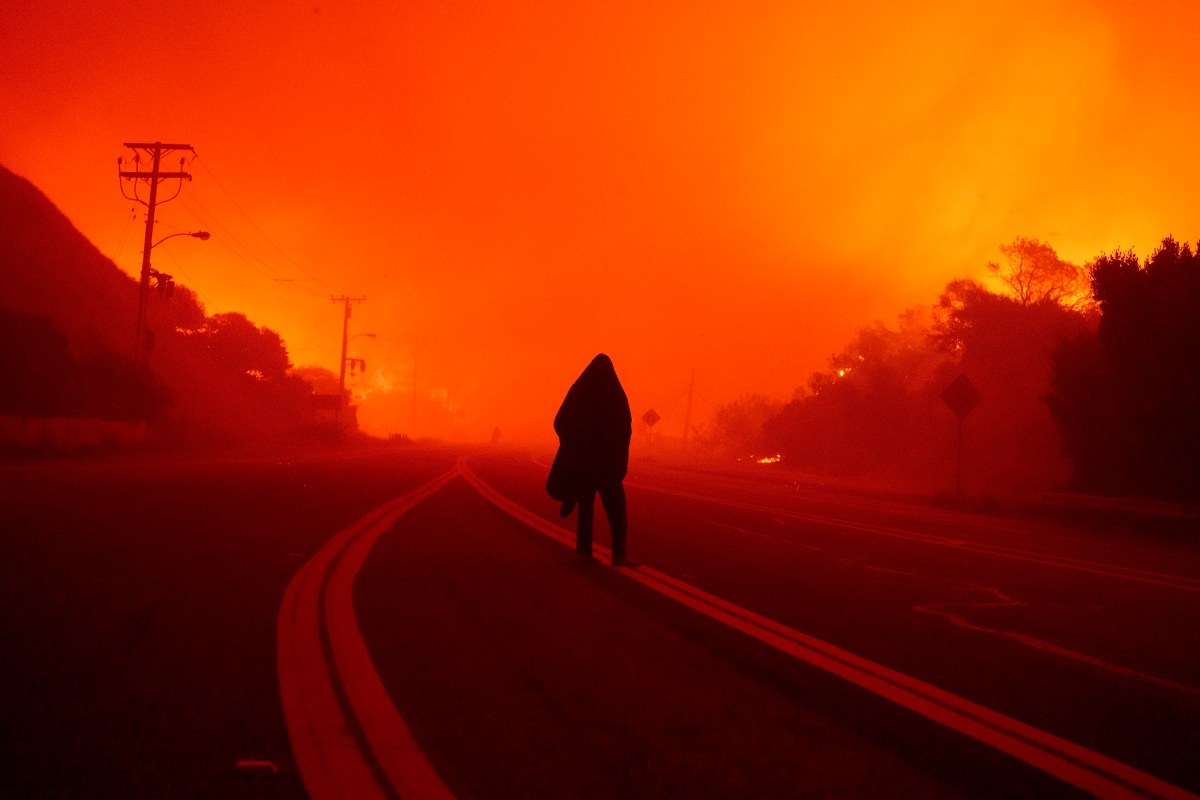
It’s hot. And getting hotter.
2024 is expected to be the hottest on record, according to the National Oceanic and Atmospheric Administration. The second hottest? 2023.
The year also saw the hottest day on record: July 22. The second and third hottest in history? July 21 and July 23.
And we know the heat – and the storms, fires and other climate disruptions – hit Indigenous communities disproportionately in 2024. It’s not just the headline weather events. It’s also the slower changes – drought, sea level rise – that burden Native nations.
SUPPORT INDIGENOUS JOURNALISM. CONTRIBUTE TODAY.
“A lot of times when people think about climate change impacts and climate change events, they really focus on the extreme weather events like the once-in-a-lifetime hundred-year storms and the major wildfires and the major tsunamis,” said Janene Yazzie the director of policy and advocacy at NDN Collective.
“But I think over the last year, some of the biggest impacts we’ve been seeing have been the result of just the changing weather patterns in general and the cumulative impacts that that’s having,” Yazzie said, “creating less predictable and erratic growing seasons affecting traditional farms.”
Here’s a look at some of the climate stories ICT covered this year, starting with some big money.
Federal funds to tribal governments
The Department of Interior announced more than $120 million in climate grants to more than 100 tribal governments. “Tribal leaders (must) have the resources to prepare and keep their people safe,” said Interior Secretary Deb Haaland.
The Department of Commerce awarded the United Houma Nation of Louisiana a $56 million grant to fight rising seas. “This is not for me. … It’s for the younger generation,” said Houma Principal Chief Lora Ann Chaisson.
And the EPA announced $300 million in grants to 33 tribal nations in part to help the transition to clean energy. Included was Washington State’s Nez Perce tribe which landed $46 million in EPA grants. “It’s going to make a big difference in people’s day-to-day lives,” said one tribal official.
Climate impact on communities
There were, of course, some tough days.
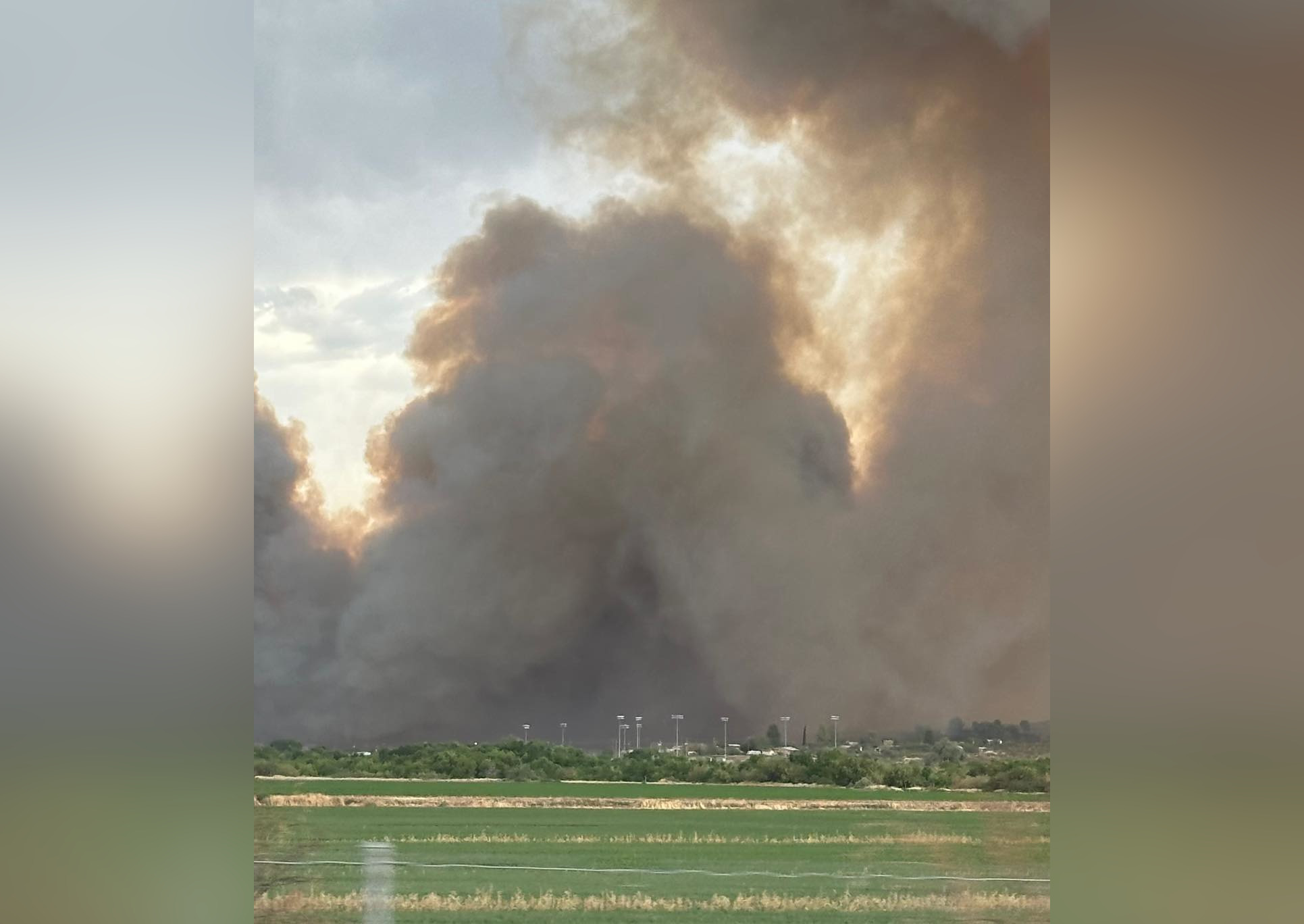
In July, Arizona’s San Carlos Apache Tribe suffered damage and losses to the Watch Fire. “We have endured fires before, but the human scale of this one is particularly devastating, ” said tribal Chairman Terry Rambler.
In August, Tlingit and Haida officials raced to help tribal citizens in Juneau, Alaska, caught in the path of floods after a glacial dam broke releasing billions of gallons of water that inundated almost 300 homes.
“It’s devastating to see what people are going through,” said Chalyee Éesh Richard Peterson, who is Tlingit and Haida, and heads the Central Council of Tlingit and Haida Indian Tribes of Alaska.
In October came a double whammy in Florida and beyond. Hurricane Milton rampaged across Florida and blew through the Seminole and Miccosukee Nations. It prompted a tribal disaster declaration from President Biden.
And then Hurricane Helene – the strongest hurricane on record to strike Florida’s Big Bend Region – rolled inland and through the Eastern Band of Cherokee Indians and Lumbee Tribal lands in North Carolina. “These storms are getting more intense,” said one Cherokee leader.
Making headway
There was also some good news.
ICT traveled to the Morongo Indian Nation in California to see the electrical transmission lines the tribe – in a first for Indian Country – owns outright. The lines bring clean solar-generated power from Arizona to the Los Angeles basin. Some say it could be a model for other Native nations.
“I just want to share this with the other tribes because it is possible to sit down and negotiate these types of deals,” said Morongo Chairman Charles Martin. “They’re not easy, but if you work at it, it’s extremely possible.”
And in November, voters in Washington State opted to keep intact the 2021 Climate Commitment Act that raises funds to fight climate change. Tens of millions of dollars will go to Native nations that are at risk from climate disruptions, including $13 million to the Quinault Indian Nation to move two flood-prone villages to higher ground.
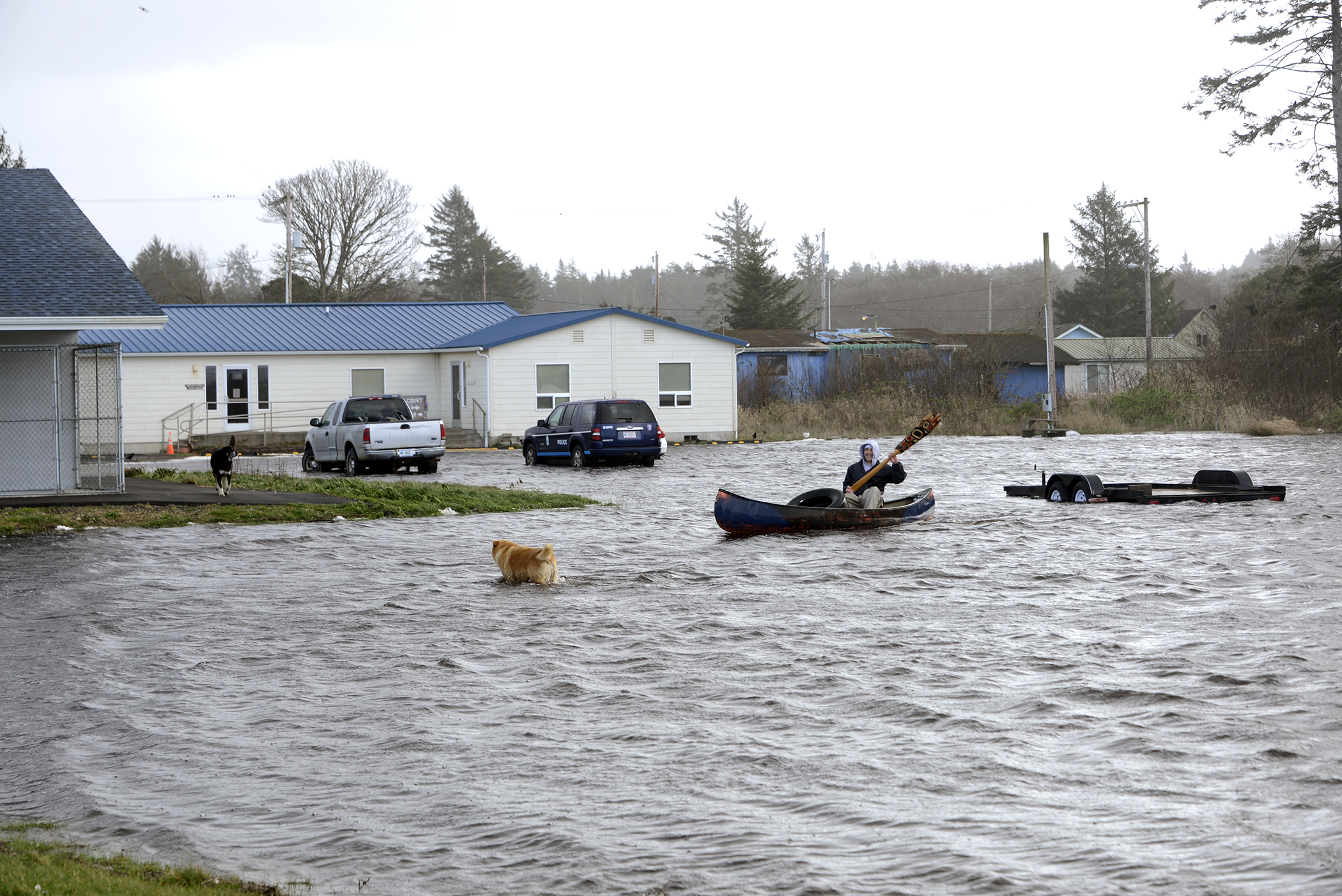
ICTvisited Quinault this year for the first of annual visits planned over the next five years to report on the nation’s ground-breaking climate mitigation strategies that leaders say can spread.
“We’re going to lead the world out of this crisis,” said former Quinault President Fawn Sharp.
Small signs
And finally, we reported a sometimes overlooked constituency: rez dogs.
They, too, are hurting in the heat as rescue operations across Indian Country are stretched. “In 15 years of doing this I have never seen it like this,” said Jennifer Fitzer, a Leech Lake Reservation dog rescuer.
Looking ahead
What’s next? The potential for increased Indigenous leadership on Turtle Island and beyond, with a series of global climate conferences, known as COPs, scheduled for November 2025 in Belém, Brazil.
“COP 30 is projected to have the largest participation of Indigenous peoples in COP history,” said Yazzie, Diné. “They are coming to this forum with the wisdom and understanding that Indigenous peoples need to be in leadership in these conversations and need to be centered and and empowered to be visible when it comes to our solutions.
“It makes all the difference when we have people in power who are understanding and are wise enough to know that supporting Indigenous leadership is what is necessary to lead to the best outcomes when it comes to climate change.”
Read more
—Southeast Alaska tribe continues hands-on response to flooding
—Indigenous lands more prone to flooding in Oklahoma
—US coastal communities get $575M to guard against floods, other climate disasters
—Mississippi River is eroding sacred Indigenous mounds
—The hottest day ever on Earth
—Climate bill is huge and it’s coming due
—‘We are going to lead the world’
—Climate change law is on Washington ballot
—Quinault Nation’s move to higher ground
—Climate change projects are ‘like tribal gaming on steroids’

Our stories are worth telling. Our stories are worth sharing. Our stories are worth your support. Contribute today to help ICT carry out its critical mission. Sign up for ICT’s free newsletter.

